If you are an African policymaker/technocrat/leader who has been following the World Bank’s development advice for the last say 30 years, this finding would shock you.
The World Bank, Industrial Policy, and Africa by Dr Fikayo Akeredolu



Reporting News and opinions
If you are an African policymaker/technocrat/leader who has been following the World Bank’s development advice for the last say 30 years, this finding would shock you.
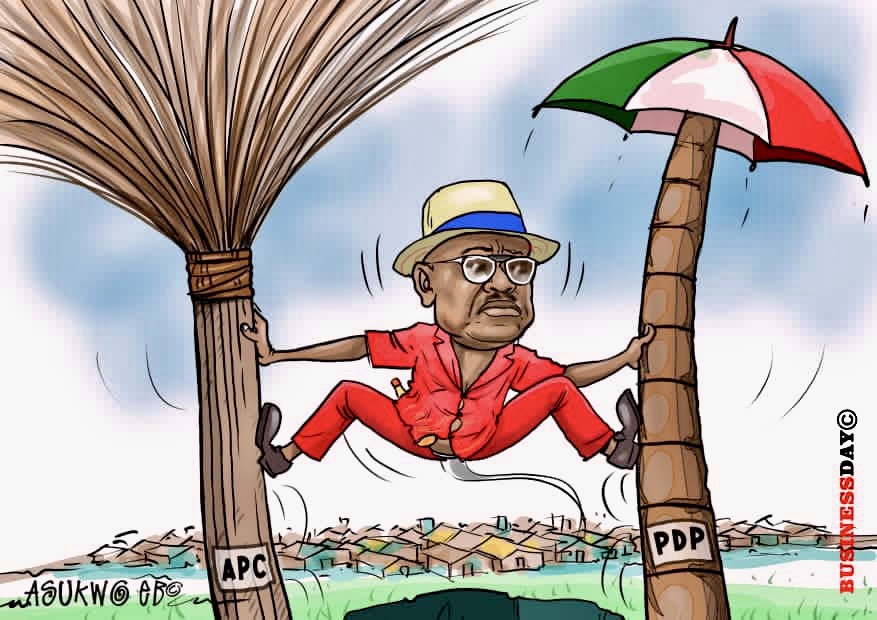
The BBC reviewed results from more than 6,000 polling stations in Rivers State. Its investigation found that the polling-unit figures it could obtain suggested that Obi had won the state by a substantial margin. The BBC also reported that Tinubu’s official declared total was more than 106,000 votes higher than its polling-station tally, while Obi’s official figure was more than 50,000 lower.
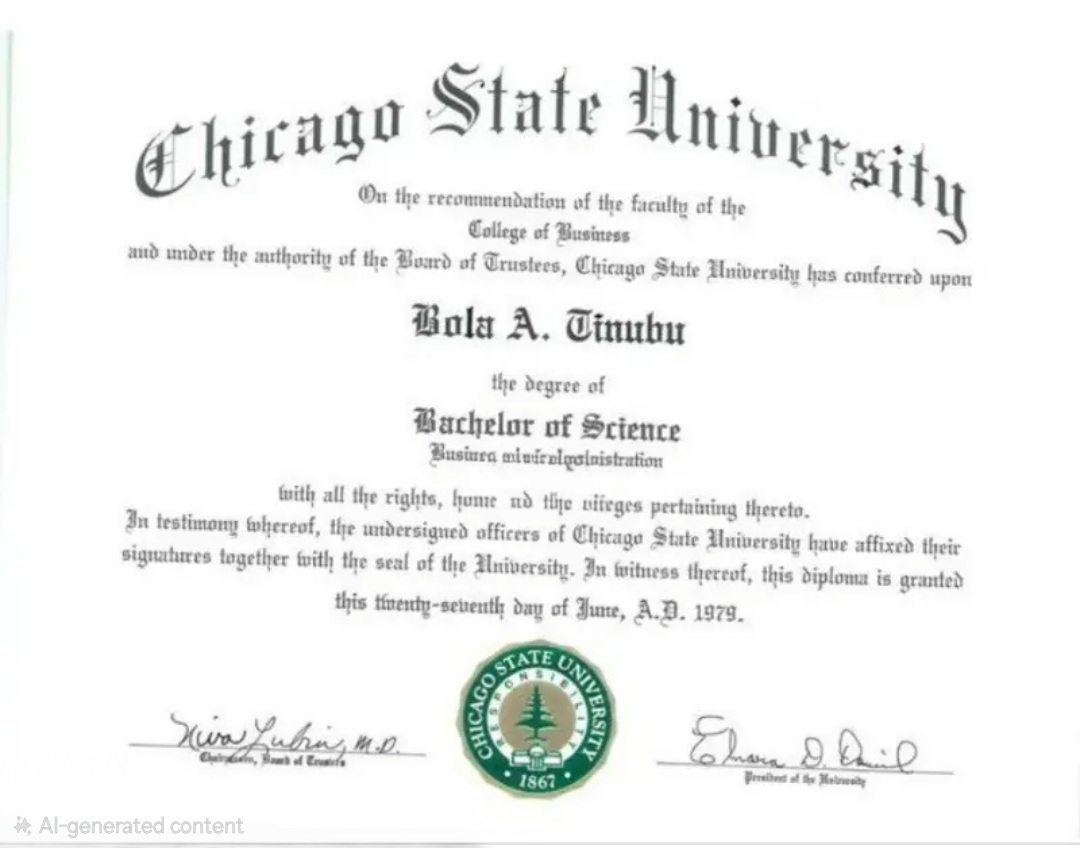
Armed with high-resolution scanners, magnifying glasses, and a fresh grievance, politicians comb through the educational credentials of their opponents. They obsess over font kerning, faint seals, and misaligned margins, convinced that somewhere between a crooked signature and an unreadable stamp lies the ultimate prize: getting the Supreme Court to invalidate millions of votes before lunch.
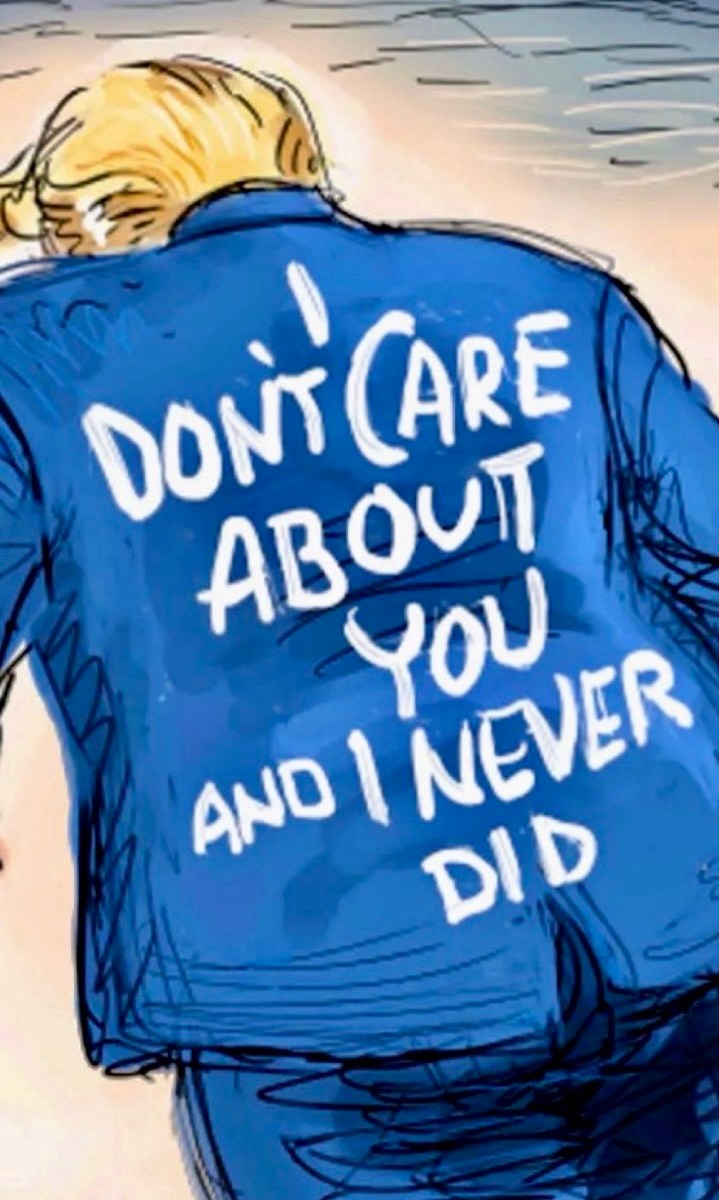
The framers of the United States Constitution expected conflict. They expected ambition. They expected rivalry between the executive, legislative and judicial branches of government.

There is a particular Nigerian genius for building things that mean nothing, and calling it a legacy. Rochas Okorocha, who governed Imo State from 2011 to 2019 as though the office were a stage and the electorate a captive audience, remains the finest living exhibit of this genius. Eight years after he last held power, and years after the last echo of "Rochas the Liberator" faded from campaign jingles, his name now surfaces mostly in courtrooms, in denial statements issued by aides nobody asked for comment, and in the occasional bronze figure still standing in Owerri, weathering slowly in the rain like the promises that built it.

