

Once upon a rather beige time, humanity was chained to the IBM mainframe like medieval peasants to the manor. Computers were vast, temperamental beasts that required priests in white coats speaking in tongues of FORTRAN and COBOL. Then Bill Gates arrived, waved his Microsoft wand, and declared: “Let there be a personal computer on every desk, and let the user not need a degree in computer science just to open a spreadsheet.” Suddenly the stationary chair was optional. The desk became negotiable. We were liberated into the glorious freedom of staring at screens in bed, on the toilet, and while pretending to listen in meetings.
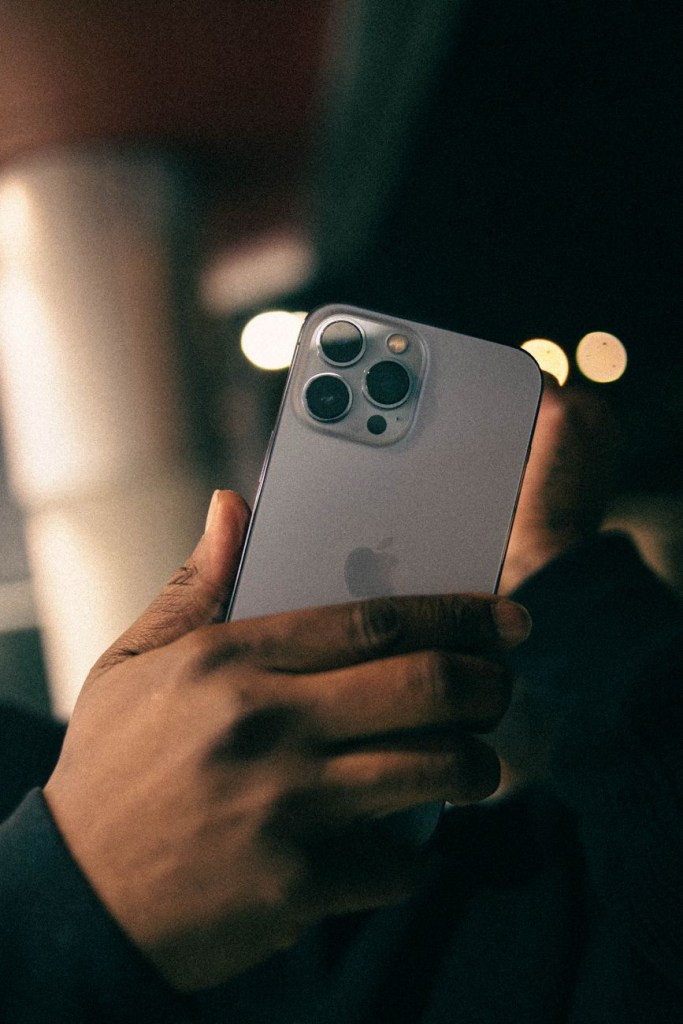
Not content with mere desk emancipation, Steve Jobs then decided the entire portable gadget ecosystem was clutter. Calculator? Gone. Standalone camera? Obsolete. Map? Laughable relic. He put a phone in your pocket that was simultaneously your bank, your photographer, your navigator, your therapist, and your primary source of existential dread. GPS made getting lost a nostalgic hobby for the over-forties. Apps turned every human impulse into a swipeable transaction. The phone became the new hearth of civilisation except this hearth also tracks your steps, your resting heart rate, and how many times you checked your ex’s Instagram at 2 a.m.
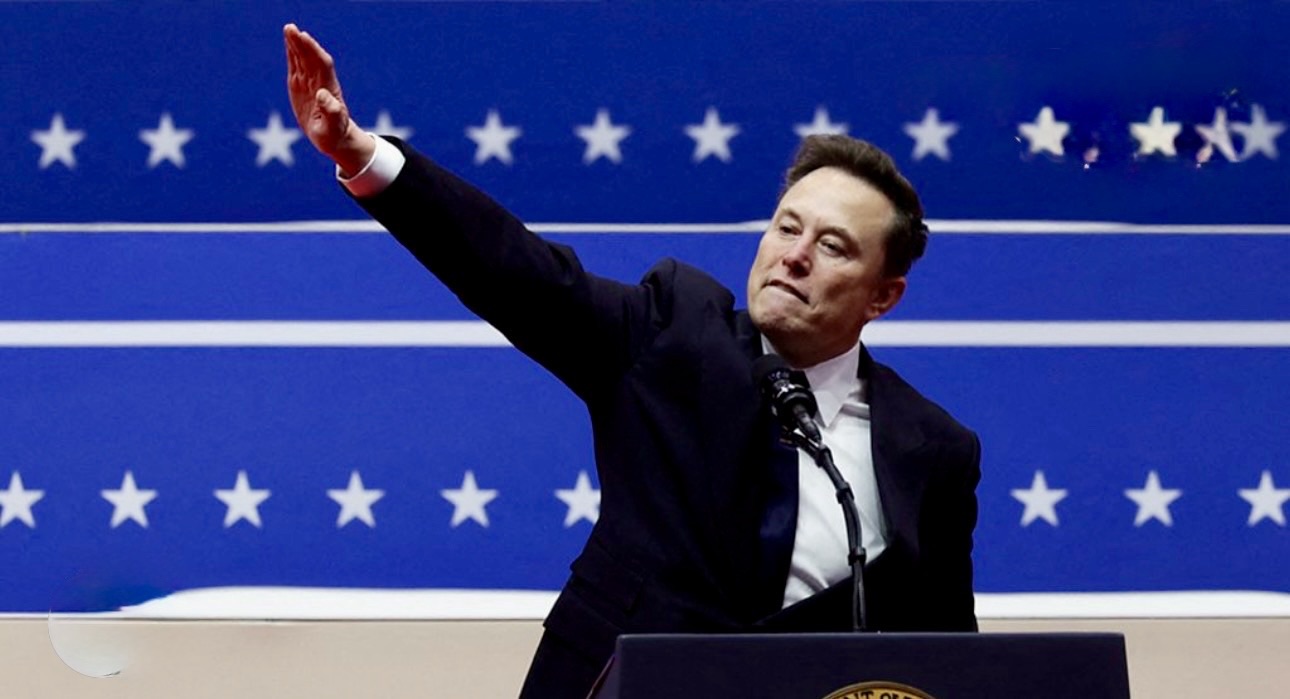
And now enters Elon Musk (yes, the one whose surname is not a Halloween accessory), who looked at the internal combustion engine Henry Ford’s great gift to the twentieth century and said, essentially, “Cute. Now watch this.” Self-driving cars. Electric propulsion. The quiet dismantling of our oil dependency. A milestone every bit as tectonic as the Model T, only this time the horse is silicon and the stable is a charging network that still occasionally leaves you stranded in the rain muttering about range anxiety. The Chinese, of course, are already sprinting down the same road with the quiet efficiency of a civilisation that never wasted decades arguing about whether the future should be allowed.
So far, so dazzling. We have been unchained from the desk, from the camera, from the petrol pump, and soon, apparently, from the steering wheel itself. Progress has been relentless, elegant, and profitable.
What is missing is the awkward bit: anyone with the moral and political imagination to ask what happens when the chains are gone.
Where are the Adam Smiths of the algorithm age? The Karl Marxes ready to diagnose the new relations of production when the means of production are trained on our faces and shopping habits? The John Maynard Keyneses who might sketch a social contract for a world in which machines drive, recommend, and increasingly decide? They are nowhere to be found. In their place we have politicians who treat technology the way a Victorian vicar treated evolution something best ignored until it becomes unavoidable, at which point one issues a carefully worded statement about “opportunity” and “innovation” and then returns to arguing about the colour of the bus.
The result is a civilisation that has been handed god-like tools by a handful of restless engineers and is now wandering around like a teenager with the car keys and no driving instructor. We celebrate the liberation from the stationary chair while quietly becoming more stationary than ever glued to the very devices that freed us. We cheer the end of fossil-fuel dependence while remaining utterly dependent on the attention economy that powers the whole circus. And we wait, with increasing nervousness, for someone in public office to risk a thought larger than the next election cycle.
Gates unshackled the computer. Jobs made the phone the centre of gravity. Musk is rewriting the rules of motion and energy. The Chinese are accelerating. The philosophers and statesmen who might help us remain free rather than merely mobile are still missing in action.
Until they appear, we will continue to be brilliantly unchained and faintly, comically, lost.

