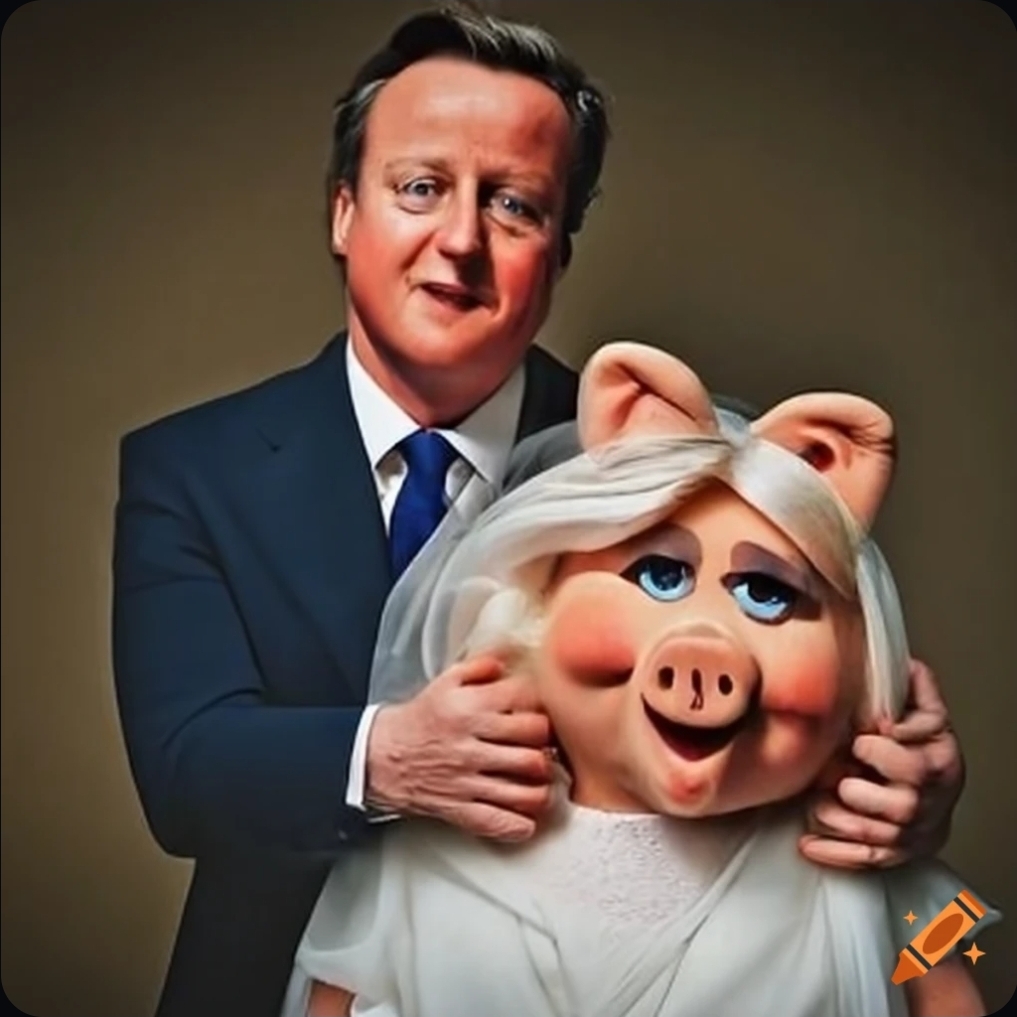
When a political movement cannot quite explain where Britain should go, it apparently finds comfort in explaining where Britain used to be.
A Trillion-Dollar Economy, But Whose Nigeria? By Lawson Akhigbe
President Bola Ahmed Tinubu and his APC government have proclaimed an ambition to build a one-trillion-dollar Nigerian economy.
The Safe Place for Bigotry and Crime by Lawson Akhigbe
It has no postcode. It does not appear on Google Maps. There are no street signs pointing towards it. Yet, whenever one of its inhabitants is caught saying something outrageous or doing something politically or legally questionable, suddenly we are told that the offending words or conduct belonged there.
When the FCT Became a Personal Fiefdom: Wike, His Underlings, and the Quiet Death of Oversight by Lawson Akhigbe
This is not merely a personality clash. It is a blot on the democratic experiment. It reveals how thin the democratic impulse runs in the organs of government and the people who staff them. Effectively, the FCT is under non-democratic governance inside a country that still insists on calling itself a democracy. The Minister acts. The Senator is sidelined. The President remains serenely above the fray. The National Assembly discovers urgent business elsewhere. The circle is complete.
Back to Basics, Rebranded: Burnham’s High Streets and the Politics of Looking Busy by Lawson Akhigbe
John Major's government never intended "Back to Basics" to become a punchline. Launched in 1993 as a pitch for moral and civic renewal, family values, personal responsibility, respect for the old certainties, it was retail politics in the purest sense: cheap to announce, easy to photograph, and entirely disconnected from the actual machinery of governing a mid-sized post-imperial economy adjusting to the ERM's wreckage. Section 28 sat quietly in the background as inherited scaffolding for this mood music, and the Education Act 1993's sex-education clauses supplied a fresh, deniable coat of paint. None of it required legislative heavy lifting. All of it signalled seriousness to an audience that wanted reassurance more than reform. The scheme collapsed, memorably, when half the cabinet turned out to be failing the basics they were instructed to return to.