What Are African Governments For? Signing Away the Future for a Handful of Beads and a Pat on the Head by Lawson Akhigbe
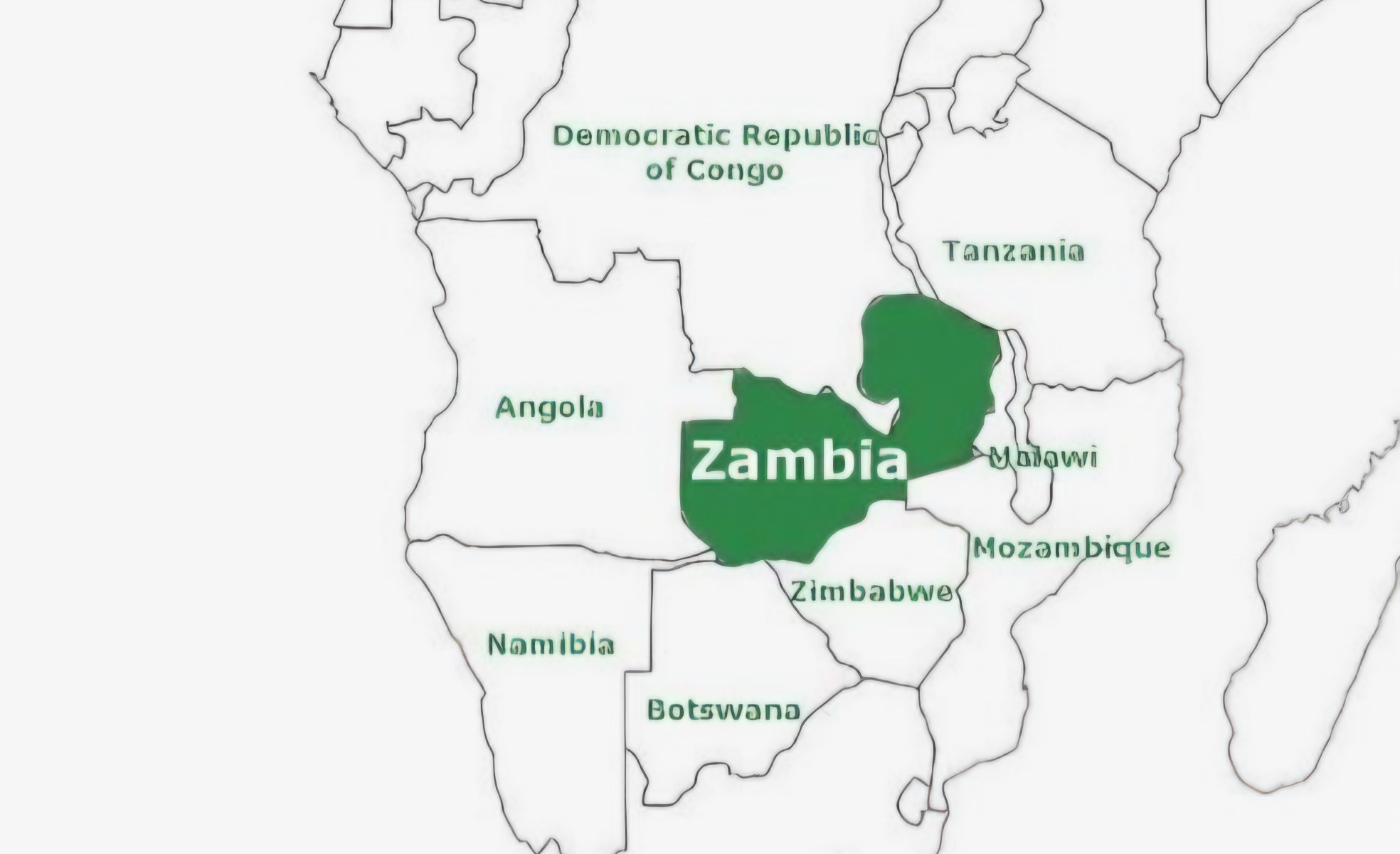
Ah, the grand theater of African governance: where leaders strut onto the global stage like proud peacocks, chests puffed with sovereignty slogans, only to quietly sign treaties that make Faust look like he got a sweetheart deal. "What are we for?" one might ask, staring at the latest headline. Apparently, we're for turning national healthcare into a garage sale, where human lives are the loss-leader to snag some fleeting foreign currency and a photo-op with a donor. Exhibit A: Zambia and the PEPFAR saga a masterclass in how aid dependency isn't charity; it's a Trojan horse with excellent PR.

Nigerian: Country Policy and Information notes Guidance used by UK Visas and Immigration to make decisions in asylum and human rights applications from Nigeria

Country Policy and Information Notes (CPIN) for Nigeria are official guidance documents published by the UK Home Office and used by UK Visas and Immigration (UKVI) caseworkers, decision-makers, and immigration judges to assess protection (asylum) and human rights claims from Nigerian nationals.

David Cameron: The Prime Minister Who Kept Proving Enoch Powell Right

Enoch Powell famously observed that “all political careers end in failure.” Whether one agrees with the man or not, the aphorism has endured because politics is an unforgiving profession. Few modern British politicians illustrate it more vividly than David Cameron.

Carry On Terror Far Right Edition by Lawson Akhigbe

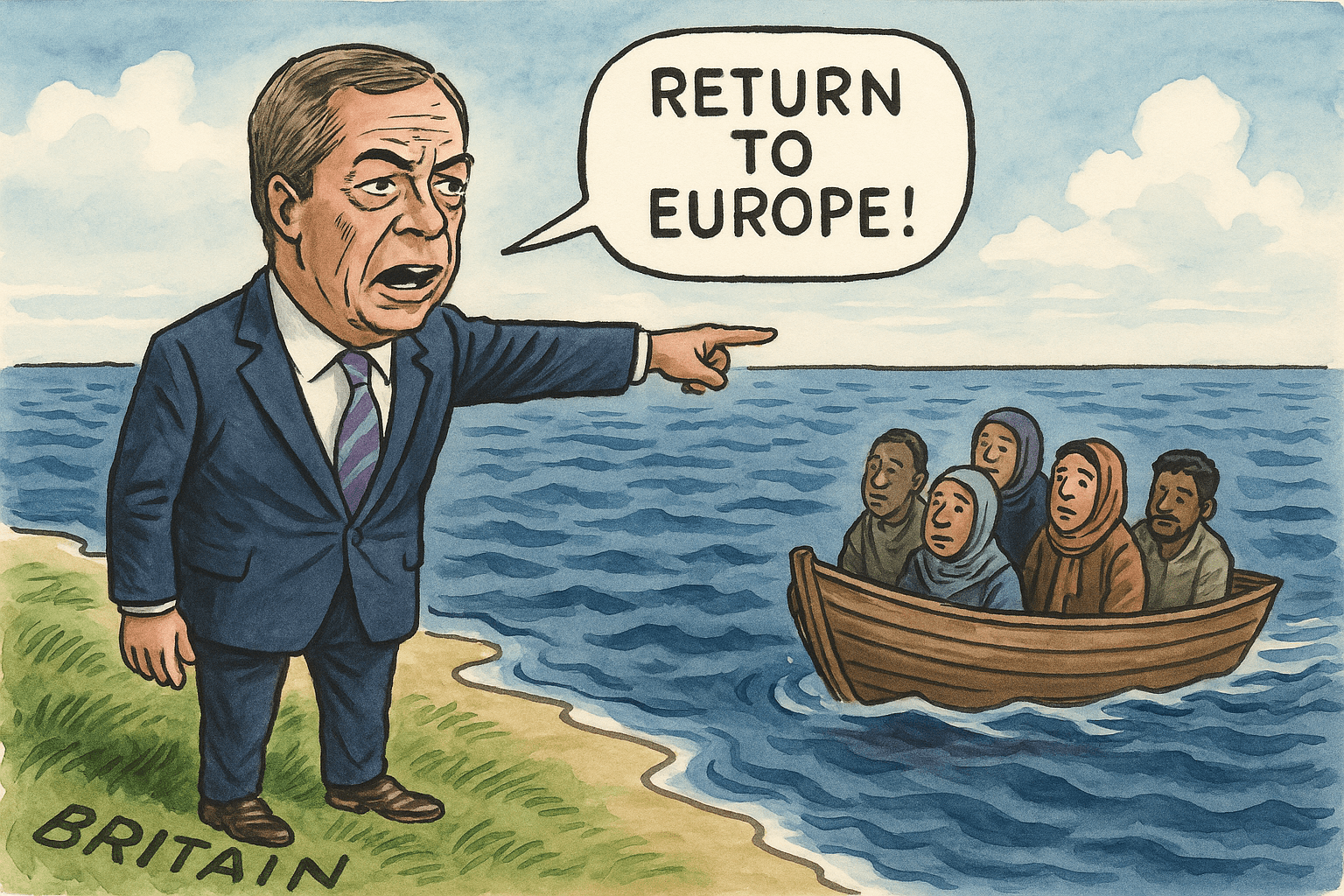
Every crisis deserves a prompt, and the far right is nothing if not punctual. Five men were arrested early on a Sunday near RAF Fairford, the Gloucestershire base from which US B-1 bombers have flown missions against Iran, after a local farmer noticed three white vans heading towards it. Bomb disposal robots trundled about the woods, and dozens of villagers were bundled out of their homes. Nigel Farage, meanwhile, had already left the building, intellectually speaking.

The World Bank, Industrial Policy, and Africa by Dr Fikayo Akeredolu

If you are an African policymaker/technocrat/leader who has been following the World Bank’s development advice for the last say 30 years, this finding would shock you.