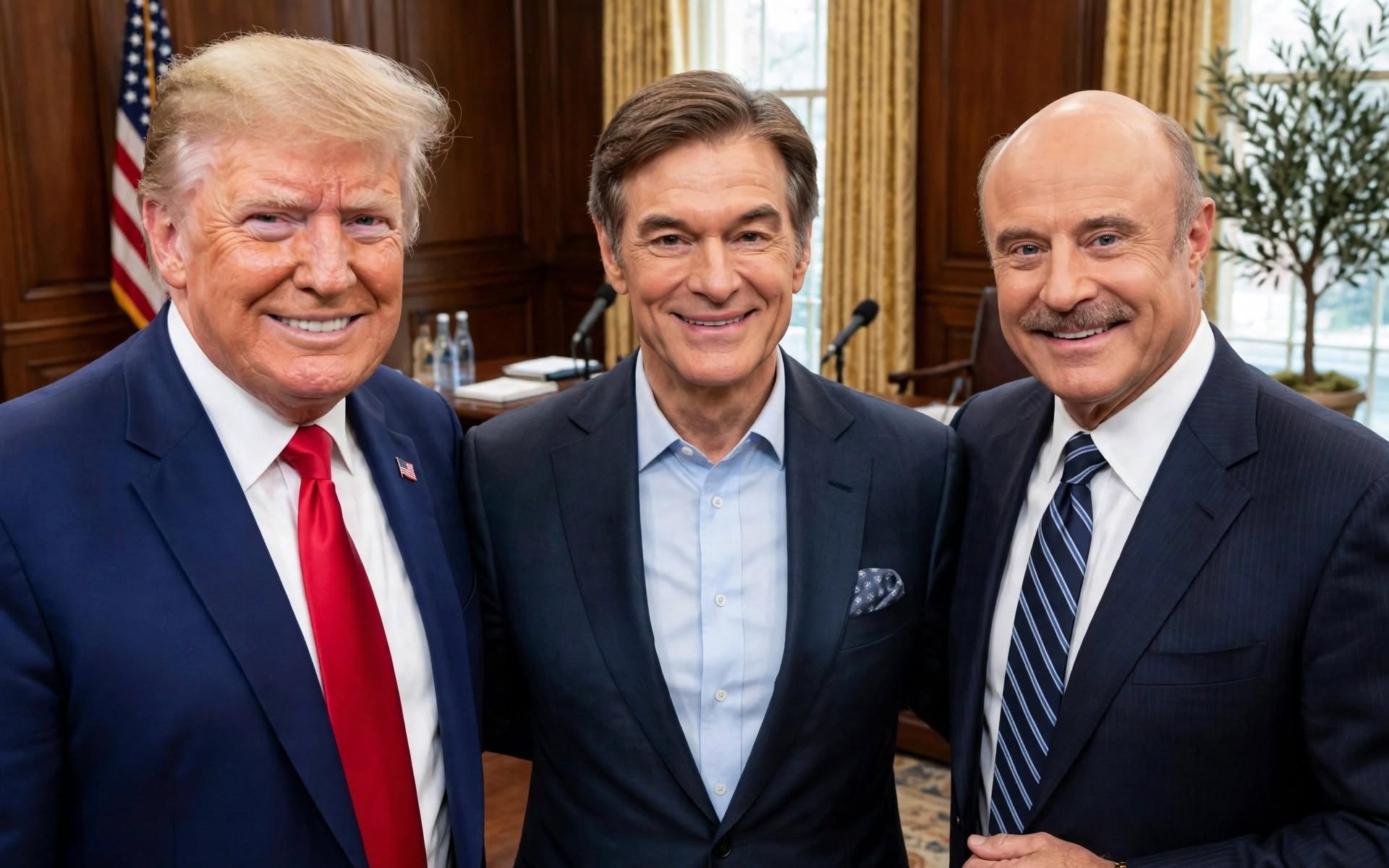
There is a particular kind of American alchemy in which a Black woman from rural Mississippi, daughter of a maid, builds the most trusted media empire in the country on a diet of empathy, self help and the gospel of "live your best life," and then spends two decades unknowingly running a finishing school for men who would go on to embarrass her politics. Oprah Winfrey did not set out to produce Donald Trump's health czar and a cable news also ran who rides shotgun on ICE raids. She set out to help people cry productively on daytime television. The nursery was warm. What hatched from it was not.
The Diminishing Deal: When Trump Demands the Whole Field and Settles for the Square Metre He’s Already Standing On by Lawson Akhigbe
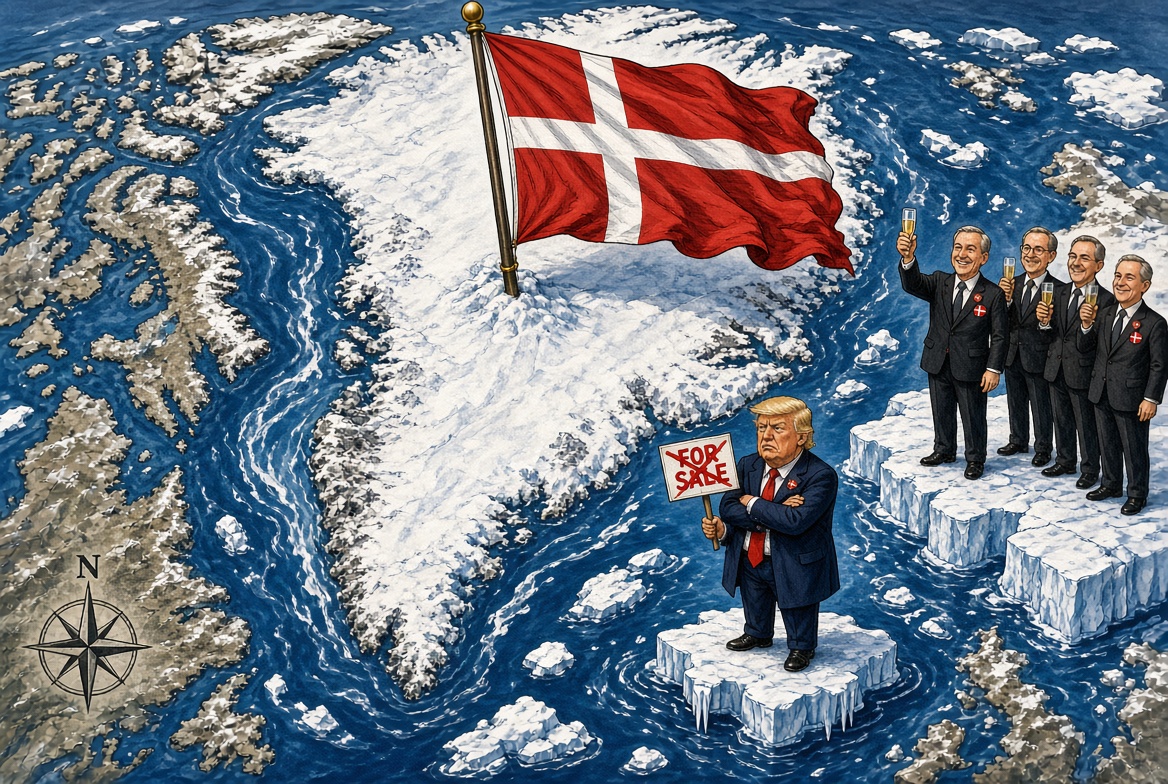
Donald Trump wanted Greenland. Not in the quiet, diplomatic, “let’s explore strategic interests over aquavit and polite nods” manner that grown-up nations occasionally attempt. No. He wanted it the way a toddler wants the biggest toy in the shop window: loudly, immediately, and with zero regard for the fact that it already belongs to someone else.
The Poverty We Do Not Count: Notes on a Nigerian Spirit in Recession by Lawson Akhigbe
Ghana, our garrulous neighbour and perennial older-sibling-by-comparison, is not a rich country. Its currency has had its own well-documented indignities. Its unemployment figures would not shame anyone into silence at a dinner party in Lagos. And yet Ghana has not produced, at scale, the particular species of moral vacancy that Nigeria now exports more reliably than crude oil. The difference is not GDP. It is something closer to what economists, in their limited vocabulary, have no line item for: a poverty of the spirit, and it is this poverty, not the one in the spreadsheets, that is bankrupting the country in ways no IMF facility can restructure.
Is David Cameron the Worst Thing to Happen to Modern Britain? By Lawson Akhigbe
Some political leaders leave office and quietly retreat into the background. Others spend their retirement writing memoirs that nobody reads and giving speeches that nobody remembers.
The NGO Trap: How a $1 Trillion Industry Learned to Love African Poverty by Lawson Akhigbe
Somewhere in a glass-and-steel conference centre in Geneva, a distinguished panel is convening to discuss Africa's poverty crisis. The room costs £18,000 a day to hire. The keynote speaker flew business class from Washington. The catered lunch is exceptional. The conference proceedings will produce, in due course, a forty-seven page report recommending as the 1994 report did, as the 2003 report did, as the 2011 report did, more aid. Africa, meanwhile, remains poor.