The Inquisitor’s Gavel: Oshiomhole, MOWAA, and the High Cost of Political Spite by Lawson Akhigbe

Central to the indictment was the breathless lamentation over the demolition of the old Benin Central Hospital. Listening to the rhetoric, one would assume the facility was a pristine sanctuary of modern medicine arbitrarily flattened to make way for art.

Kemi Badenoch’s maiden speech in the Commons 

I am also burdened by the weight of expectation. You see, Madam Deputy Speaker, Saffron Walden has not had a maiden speech since Rab Butler’s in 1929. He held three of the great offices of state, but I am most proud that, as a Conservative Minister, he introduced the Education Act 1944, which gave every British child a statutory right to free secondary education.

The Invisible Invasion: Britain’s Immigration Panic and the Arithmetic It Cannot Face By Lawson Akhigbe

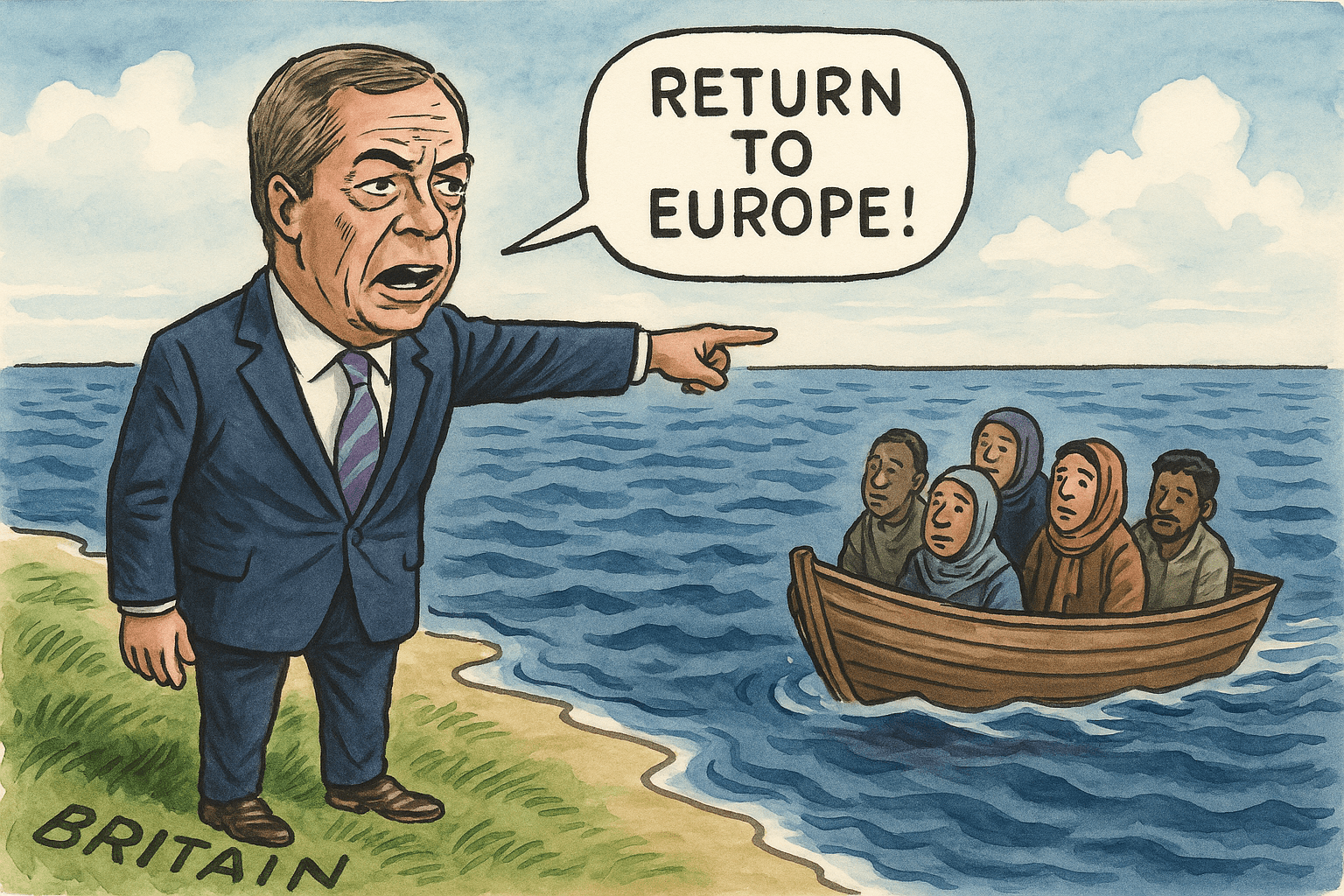
Black people account for roughly four percent of the population of England and Wales. More of them are in the EastEnders cast than are arriving on the asylum route in any given year. Yet Britain has contrived to make this the defining political question of the age. We should talk about that.

The People Did Vote for Mass Immigration – Through Parliament by Lawson Akhigbe

One of the most persistent slogans of Britain’s political far right is the claim that “the people did not vote for mass immigration.” It is a phrase repeated endlessly in television studios, social media posts, and political rallies. It sounds persuasive. It sounds democratic. It is also fundamentally wrong.

The ICC’s Selective Blindfold: Sharp Justice for Africans, Soft Landing for the Powerful by Lawson Akhigbe

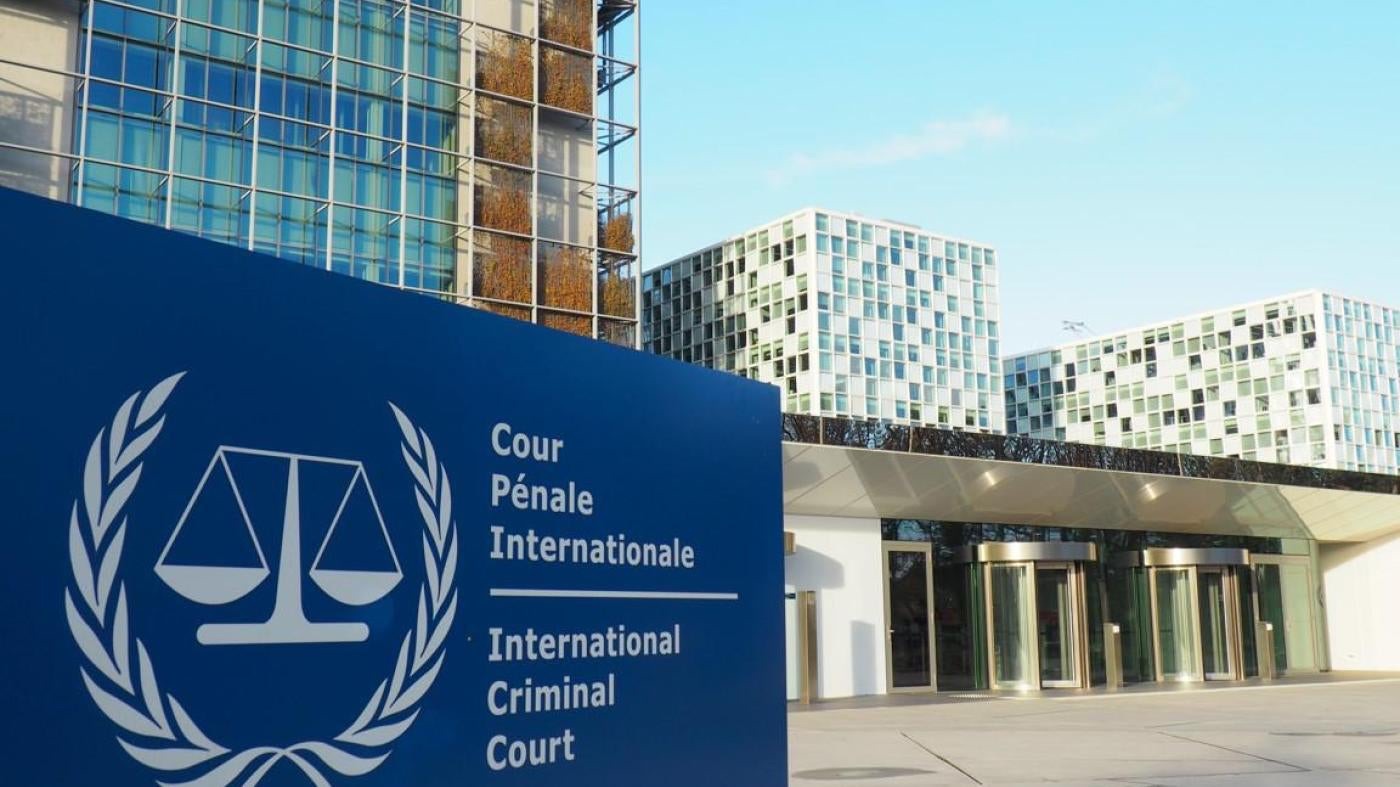
For years the International Criminal Court has operated like a colonial-era court with better stationery and a more solemn logo. The docket groaned under the weight of African cases while the architects of certain adventures in Libya, Iraq, and beyond somehow remained mysteriously unburdened by the same enthusiastic pursuit of accountability. The rule of law, we were solemnly told, was universal. The application, it turned out, was rather more exclusive.