When the Family Becomes the Coroner: Has Nigeria Turned Cause of Death into a Matter of Opinion By Lawson Akhigbe

On 23 August, I wrote on this platform about the danger of treating the law as an optional accessory in suspicious deaths. I asked a simple question: when a Nigerian dies suddenly and in circumstances requiring investigation, who decides how that death occurred? The family, or the law?

Coordinator of fake agency shares appointment letter bearing OSGF letterhead

Tinubu also ordered the immediate suspension of three permanent secretaries allegedly linked to the operation of the fake agency and ordered the Independent Corrupt Practices and Other Related Offences Commission (ICPC) to conduct an investigation into its formation and operation.

When Laws Become Optional: Suspicious Deaths, Colonial Legacies, and the Dignity Deficit in Nigeria by Lawson Akhigbe

The difference between the United Kingdom and Nigeria is not primarily in the letter of the law. It is in the general application and consistent enforcement of that law. This divergence reveals a deeper reality about how the Nigerian state relates to its citizens.

The Bulletproof SUV That Disappeared: What The Saraki / Customs Case Tells Ordinary Nigerians About Due Process by Lawson Akhigbe

What should have been a routine anti-smuggling enforcement - fake chassis number, alleged unpaid duty of N74 million on a vehicle valued at N298 million - turned into a full-blown constitutional crisis.

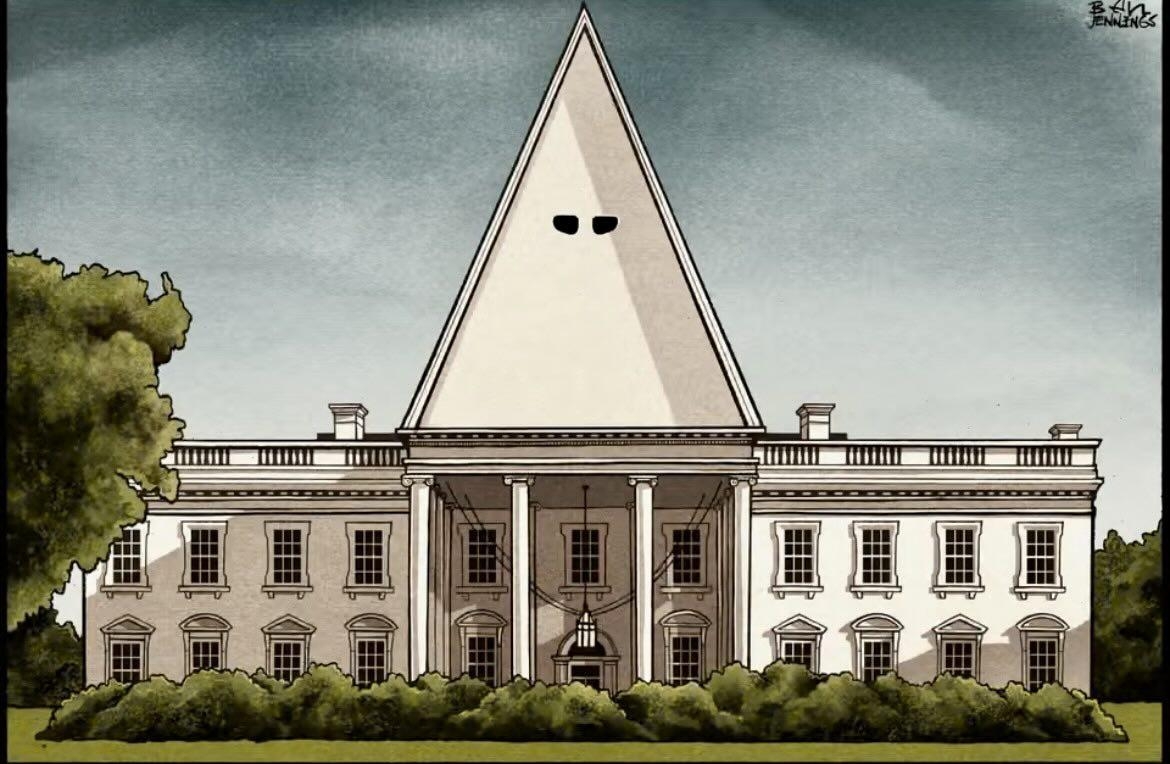
Most. Corrupt. Racist. Incompetent. President of the USA

In his farewell address to the American people in 1989, Ronald Reagan spoke of America as a "shining city upon a hill"—a beacon of freedom, opportunity, democracy, and prosperity. The phrase itself was borrowed from a much older tradition, but Reagan made it uniquely American. The United States was not merely a powerful nation; it was an example to others. A place where institutions mattered, where the rule of law prevailed, and where anyone, regardless of background, could aspire to succeed