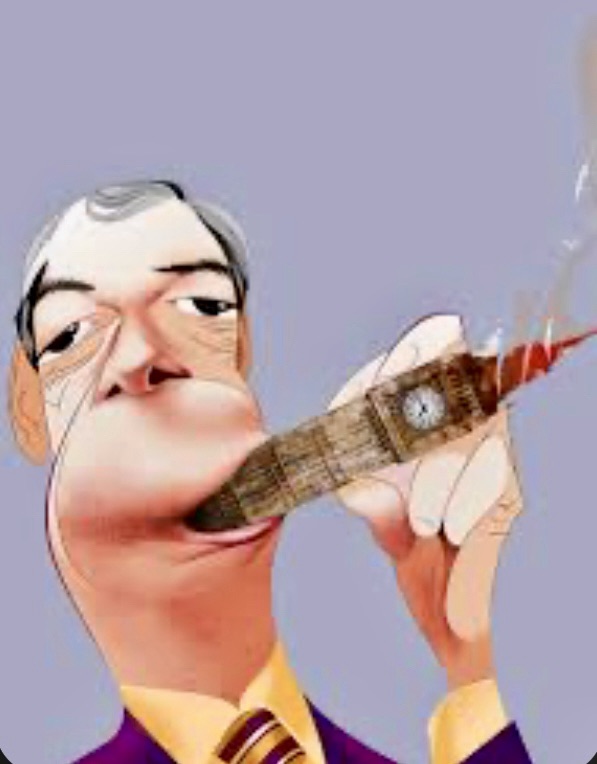
The Safe Place for Bigotry and Crime by Lawson Akhigbe
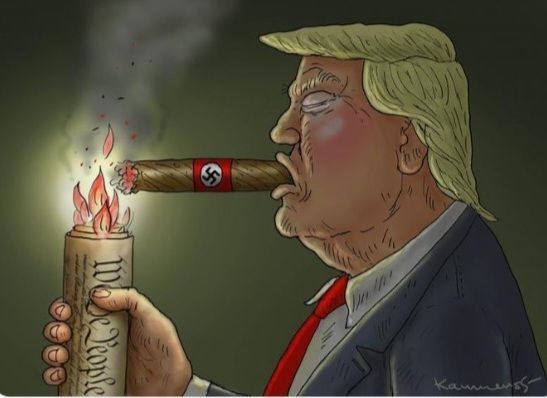
It has no postcode. It does not appear on Google Maps. There are no street signs pointing towards it. Yet, whenever one of its inhabitants is caught saying something outrageous or doing something politically or legally questionable, suddenly we are told that the offending words or conduct belonged there.

The Moths to the Flame: Why Do Populist Movements Always Attract Such “Enterprising” Characters? By Lawson Akhigbe

There is an eternal, almost Newtonian law of modern politics: wherever a politician loudly proclaims they are "standing up for the forgotten working man," you will inevitably find a discreet corner table in a private Mayfair club where someone is eagerly trying to launder foreign money.

When the Family Becomes the Coroner: Has Nigeria Turned Cause of Death into a Matter of Opinion By Lawson Akhigbe

On 23 August, I wrote on this platform about the danger of treating the law as an optional accessory in suspicious deaths. I asked a simple question: when a Nigerian dies suddenly and in circumstances requiring investigation, who decides how that death occurred? The family, or the law?

Coordinator of fake agency shares appointment letter bearing OSGF letterhead

Tinubu also ordered the immediate suspension of three permanent secretaries allegedly linked to the operation of the fake agency and ordered the Independent Corrupt Practices and Other Related Offences Commission (ICPC) to conduct an investigation into its formation and operation.

When Laws Become Optional: Suspicious Deaths, Colonial Legacies, and the Dignity Deficit in Nigeria by Lawson Akhigbe

The difference between the United Kingdom and Nigeria is not primarily in the letter of the law. It is in the general application and consistent enforcement of that law. This divergence reveals a deeper reality about how the Nigerian state relates to its citizens.