In the fearful months and years following the terrorist attacks of 11 September 2001, Western democracies faced an unenviable dilemma. Their citizens demanded protection from an enemy that recognised no borders, wore no uniforms and deliberately targeted civilians.
Anatomy of Kidnapping: The Law and Enforcement by Lawson Akhigbe
In Nigeria, the legal framework explicitly criminalizes the payment of ransoms to kidnappers or terrorists.
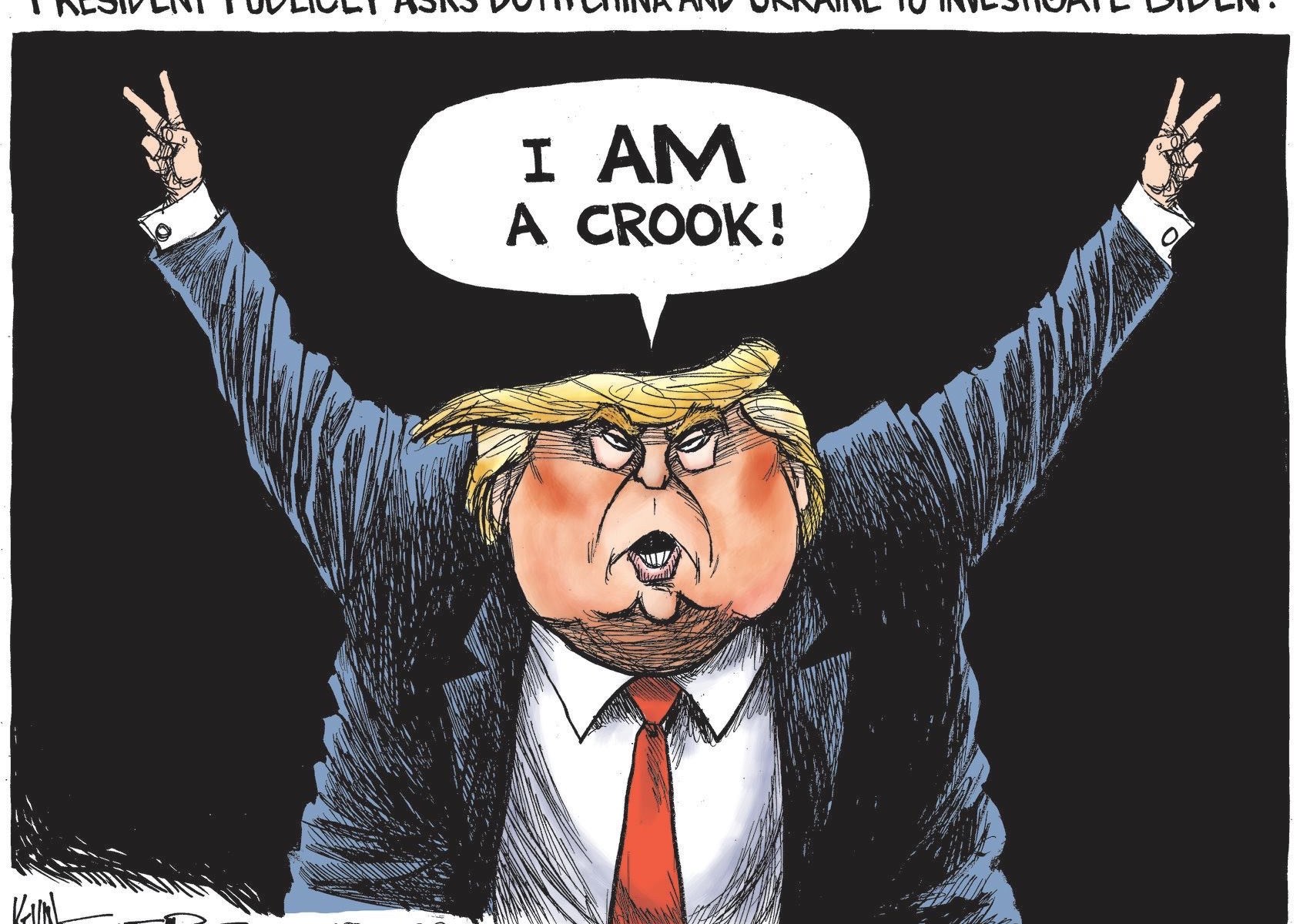
Trump’s con-artist history by Lawson Akhigbe
Trump’s business career has long been characterized as embodying “con-artist” tactics: aggressive promotion, leveraging his personal brand for high-margin or low-substance ventures, heavy debt leverage, selective truth-stretching in marketing, and frequent legal disputes.
Overview of the Asset Management Corporation of Nigeria (AMCON) by Lawson Akhigbe
The Asset Management Corporation of Nigeria (AMCON) represents one of Nigeria’s most significant financial interventions in response to systemic banking distress. Its debt enforcement history reflects a blend of aggressive statutory powers, evolving legislative enhancements, notable operational successes, persistent challenges, and occasional perceptions of uneven application influenced by political or economic factors. Below is a thorough, chronological exploration of AMCON’s enforcement journey, including context, key mechanisms, statistics, notable cases (with nuances around the Ben Murray-Bruce/Silverbird matter), challenges, and broader implications.

The Shell Company of the Republic: How the Board of Peace Became Trump Organization Foreign Division By Lawson Akhigbe
Start with the constitutional oddity sitting in plain sight. The Board's Charter names Donald Trump personally not the office of the President, not the United States as a state party, but Donald J. Trump as inaugural Chairman, with a term that survives his presidency. He can only be removed through voluntary resignation or a unanimous vote of the Executive Board finding him incapacitated, and he alone selects his successor. No sitting president inherits the chair by virtue of the office; a future occupant of the Oval Office might find themselves outranked, within an organisation their own government helped charter, by a private citizen of their predecessor's choosing.