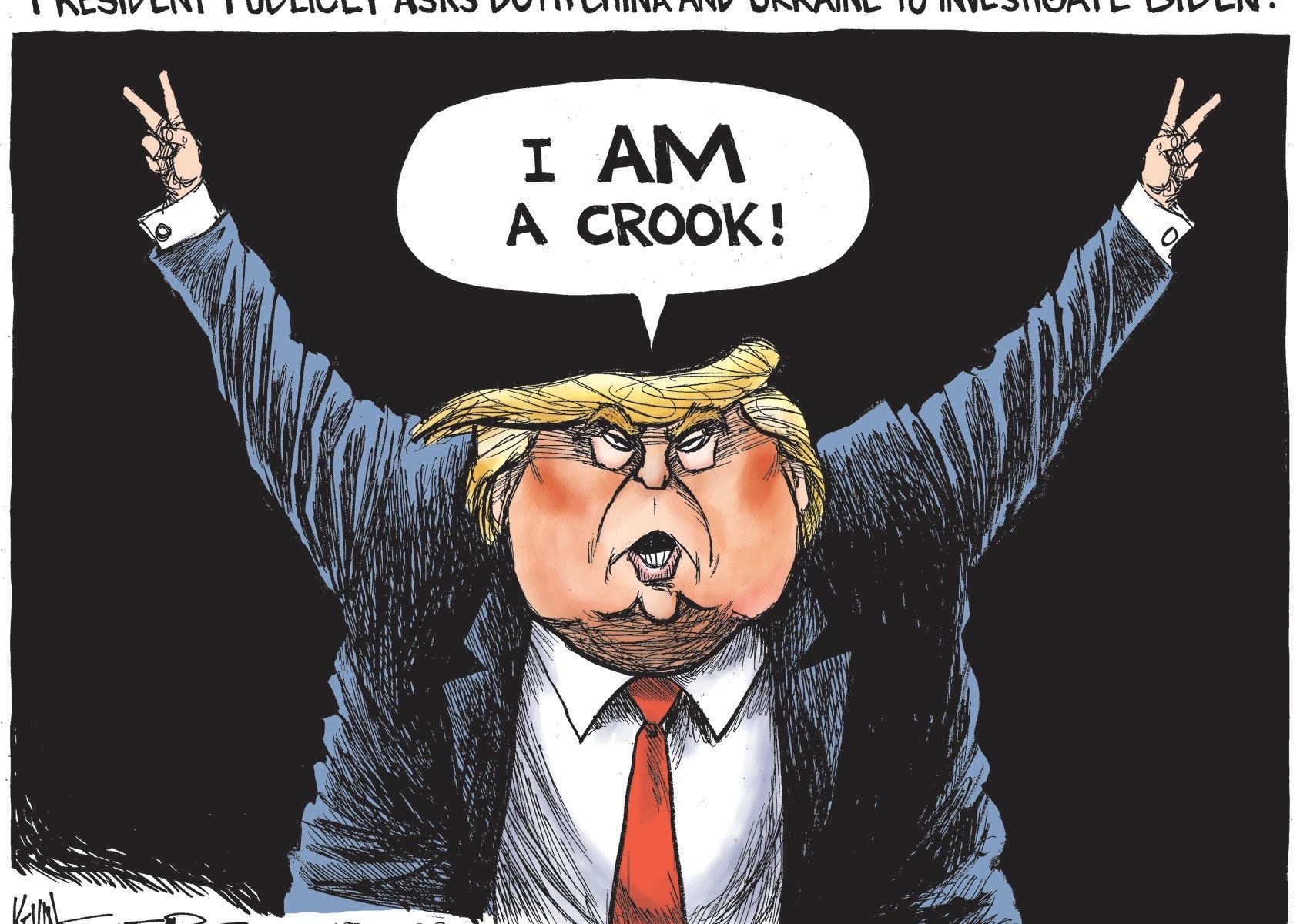
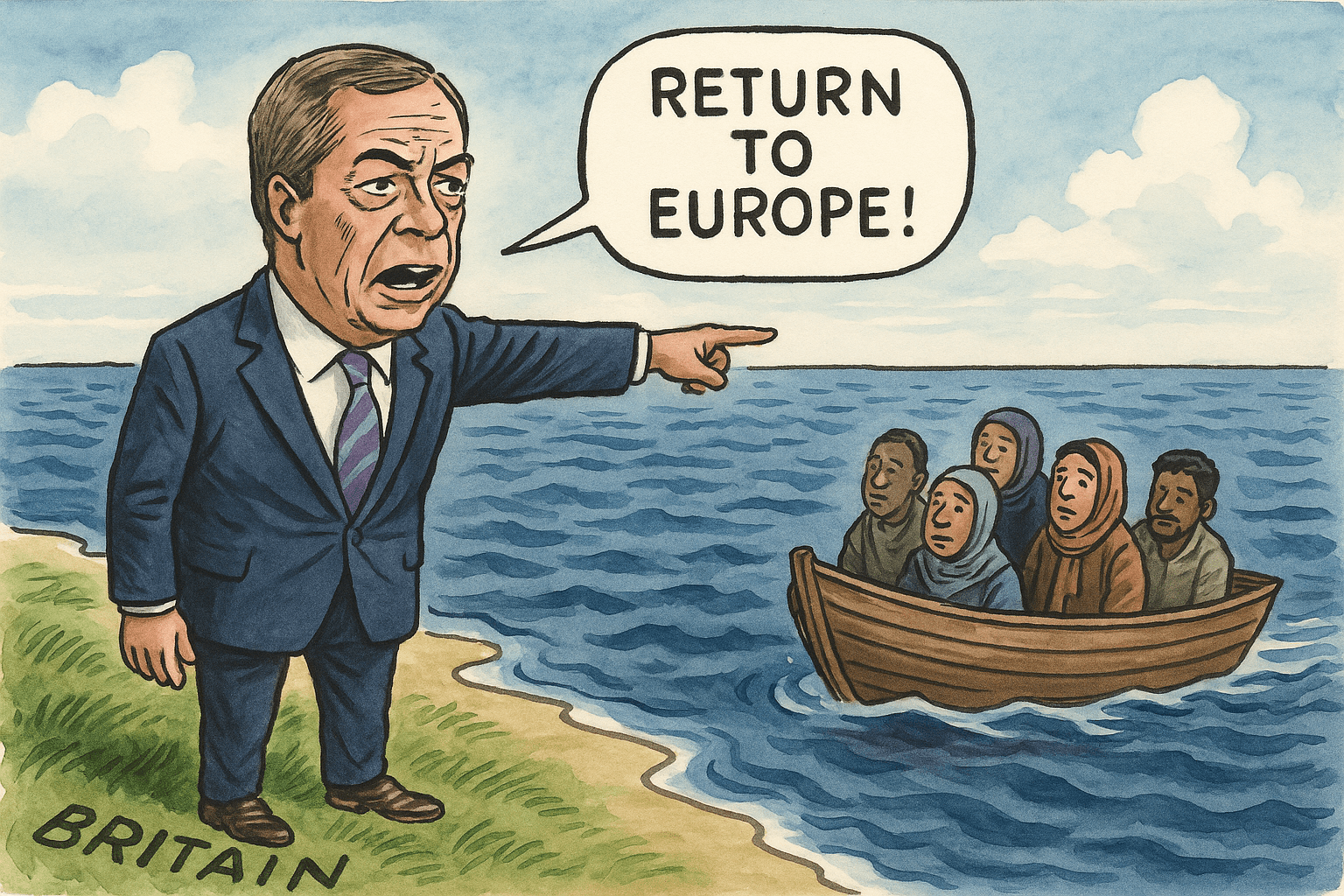
For fifty years, the British political establishment treated anti-immigrant sentiment like a dangerous wild beast not something to be defeated, but a political force to be appeased with legislative red meat. Now, the lion has broken out of its cage, entered politics, and is eating the establishment alive. Margaret Thatcher abolishes automatic birthright citizenship (*jus soli*), trading a centuries-old law of the land for a cold law of the blood. Successive Tory governments spent the next two decades seamlessly conflating "immigrant" with "criminal" in the public psyche. New Labour takes power but refuses to starve the beast. Instead, they introduce the *Life in the UK* test a bureaucratic hazing ritual testing applicants on trivia (like the height of the London Eye) that the Home Office minister who designed it couldn't even answer. Keir Starmer attempts to out-hawk the Right by tightening restrictions and warning against an **"island of strangers."** It backfires spectacularly, accidentally echoing Enoch Powell and alienating his base while ignoring the grand irony: the previous Prime Minister (Rishi Sunak) was the child of immigrants, and most asylum seekers come from countries Britain spent centuries colonizing. The greatest failure of modern progressive politics was refusing to make the affirmative, moral case for immigration. By constantly trying to appease the beast with slightly smaller cuts of meat, the establishment validated its hunger. Today, **Reform UK** hasn't conquered British politics; they’ve simply sat down to a feast fifty years of Westminster cowardice prepared for them. You do not defeat a lion by feeding it politely. You defeat it by refusing to feed it at all.
Review: If We Tolerate This: How the British Establishment Made the Far Right Respectable
Daniel Trilling’s book argues that the British far right became “respectable” not through fringe activism but because mainstream institutions gradually absorbed its language and fears. Far‑right ideas about immigration, multiculturalism, and national decline seeped into politics and media until they appeared like common sense rather than extremism. The press amplified moral panic, helping harsh policies seem moderate. The book stresses that Britain is not uniquely immune to authoritarianism; its extremism often arrives in polite, establishment-friendly forms. Trilling’s analysis also resonates globally, showing how cultural anxiety and intolerance are normalised in many democracies. He is criticised for underplaying real social and economic grievances that made people receptive to these narratives. Still, the book warns that democracies erode slowly—through euphemisms, fear, and institutional cowardice.
Okorocha’s illegal demolition of Owerri market – Punch Newspaper Editorial
On the morning of Saturday, August 26, 2017, bulldozers accompanied by a horde of armed security operatives, acting on the orders of the Imo State Governor, Rochas Okorocha, stormed Eke-Ukwu Owerri Market, and forcefully evicted the traders, demolished their shops and destroyed wares worth millions of naira. Security operatives, specifically, military men from the 34 …
Continue reading "Okorocha’s illegal demolition of Owerri market – Punch Newspaper Editorial"
Wike now brags he has CJN Onnoghen, Judiciary in his pocket – Amaechi
Editorial Wike and Amaechi are the enfant terrible of Nigerian politics. Their moral and political bankruptcy is an open wound on our political landscape. If Amaechi want to clear his name and continue his infertile public juvenile battles with his former friend, he must resign and properly get into the gutter a place he seems …
Continue reading "Wike now brags he has CJN Onnoghen, Judiciary in his pocket – Amaechi"
Is It Racist to Say Africa Has ‘Civilizational’ Problems? BY REMI ADEKOYA Foreign Affairs Journal
French President Emmanuel Macron should have known his comments about Africa at the G-20 summit this month would spark an angry backlash. Responding to a reporter’s question as to why there is no Marshall Plan for the continent, he cited “civilizational” problems that are different from those faced by Europe after World War II: “Failing …