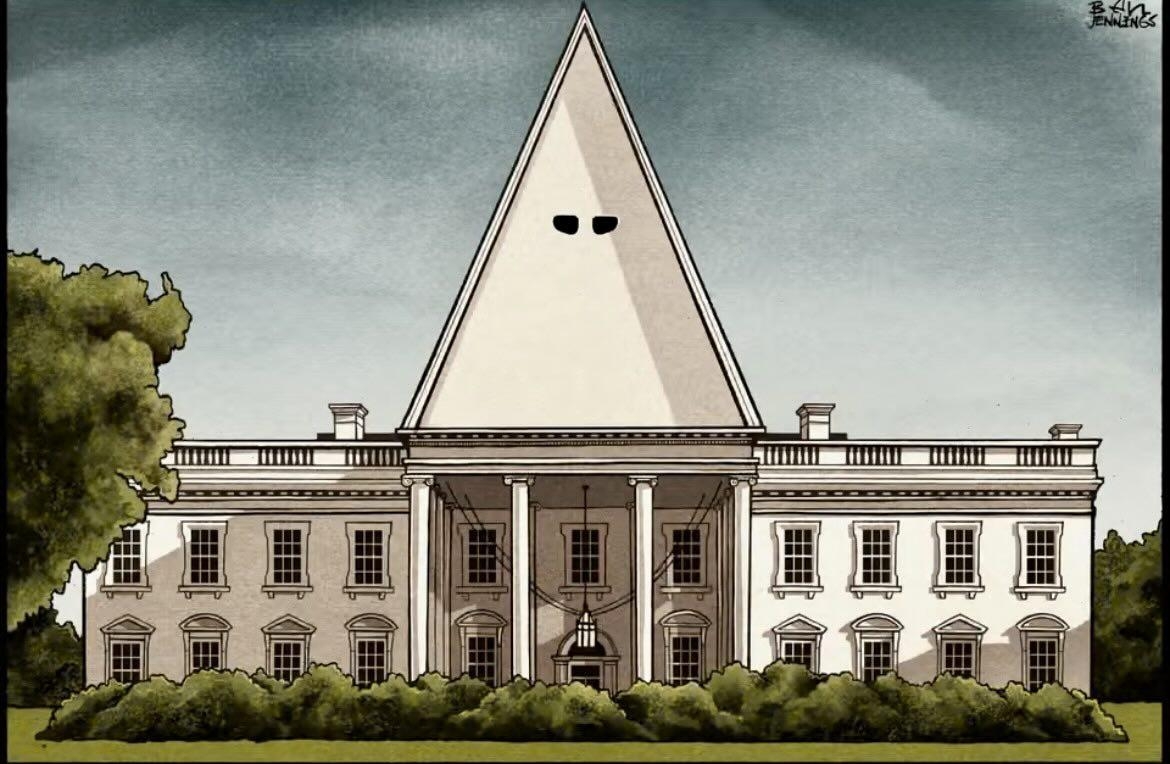
For decades, we were instructed to nod politely at global summits while elites proclaimed that the rule of law is universal. Except, like a discount gym membership, universality apparently comes with fine print, blackout dates, and VIP exemptions reserved exclusively for nations backed by Western firepower.
Abacha-Era Corruption: A Deep Dive into Nigeria’s Most Notorious Kleptocracy (1993–1998) by Lawson Akhigbe
This was enabled by authoritarian control: no independent legislature or judiciary, weak oversight, and a patronage network treating public coffers as extensions of personal or regime power. International complicity—lax due diligence by banks—facilitated laundering through U.S. institutions and bond deals.
Human Rights Violations Investigation Commission (Oputa Panel)
The Human Rights Violations Investigation Commission, popularly known as the Oputa Panel, remains one of the most significant yet controversial attempts at transitional justice in Nigeria's history.
EFCC and the Art of Freezing State Treasuries: When Federal Overreach Meets Federalism by Lawson Akhigbe
Nigeria is a federation. Federal agencies do not get to shut down state governments because they suspect something may have gone wrong with the books. Trail the money into private hands. Do not turn off the treasury. The courts, the governors’ forum and the plain language of the Constitution have already said as much. The only question left is how many more times the lesson must be repeated.
Uwais Report: The Blueprint We Keep Ignoring by Lawson Akhigbe
There is a clean, structural reason Nigerian election season feels less like a celebration of democracy and more like a high-stakes tactical thriller. We built an election system where the referee is hired by one of the teams, trained by one of the teams, and paid out of a purse controlled by one of the teams.