Bail: Nigeria’s Grand Illusion of Justice, Where “Granted” Means “Good Luck Finding a Ghost Surety” by Lawson Akhigbe

In the theater of Nigerian criminal justice, bail is the sparkling prop they wheel out to dazzle the audience with tales of constitutional benevolence, only for the curtain to fall on a punchline so absurd it would make a stand-up comedian blush. Our dear leaders preach presumption of innocence while tying defendants in knots tighter …

A NATIONAL EMERGENCY PROCLAMATION (On the Capture of the Republic by Corruption, Procedural Acrobatics, and Other Lawful Nonsense) by Lawson Akhigbe

WHEREAS Section 14(2)(b) of the Constitution of the Federal Republic of Nigeria, 1999 (as amended) declares—perhaps optimistically—that “the security and welfare of the people shall be the primary purpose of government”;

The cost of getting a certified true copy of a document at the High Court

A Certified True Copy (CTC) is an officially certified duplicate of an original document kept in court records or government custody. In Nigeria, CTCs are commonly required for court appeals, land matters, visa applications, verification processes and legal transactions involving public documents.

Exploring Transnational Justice Examples

Corruption cases often exemplify transnational justice because illicit funds flow globally via banks, real estate, and shell companies, enabling foreign courts to assert jurisdiction based on territorial links (e.g., money laundering in their financial systems).

Exploring ICC African Bias Critiques

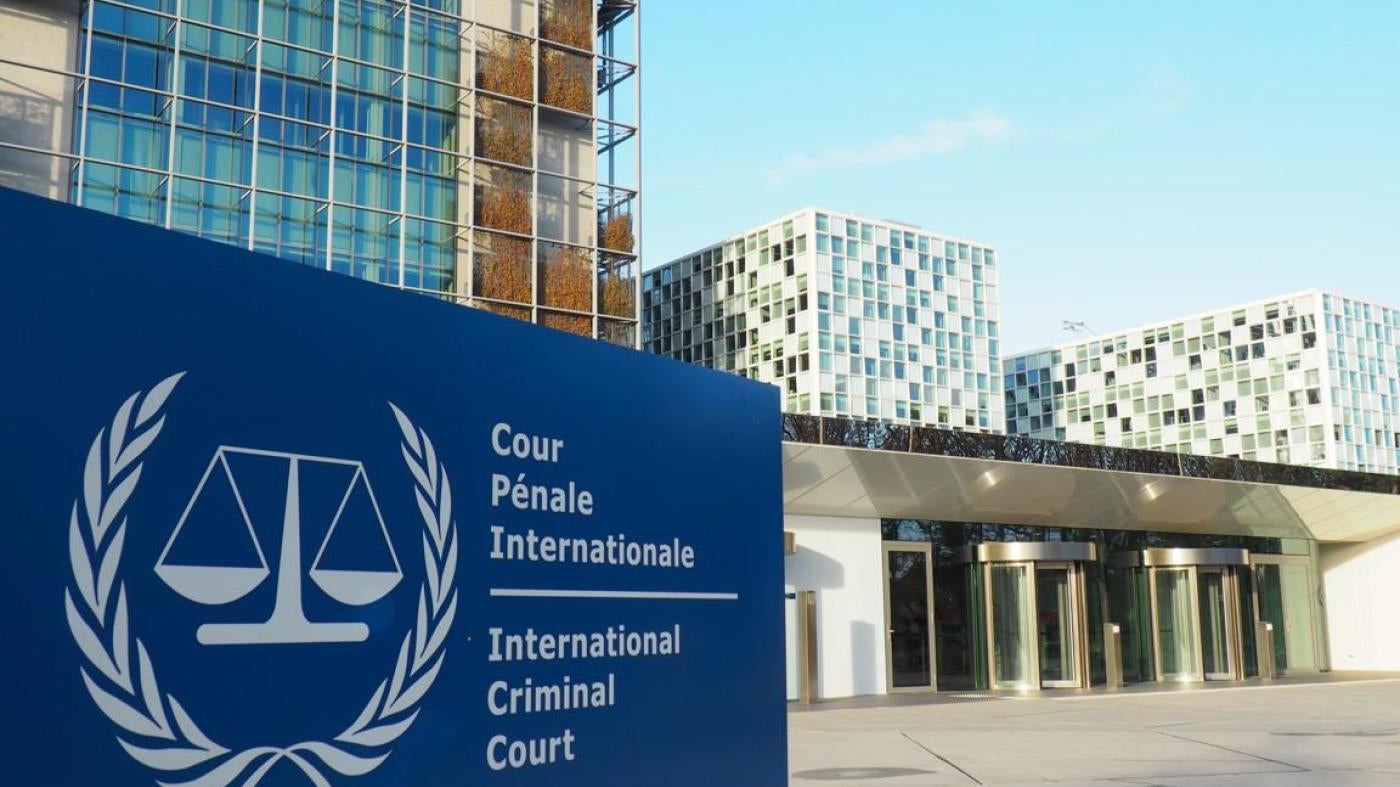
The ICC established in 2002 under the Rome Statute to end impunity for genocide, war crimes, crimes against humanity, and aggression, the ICC operates on complementarity, acting only when national courts are unwilling or genuinely unable to prosecute. Critics argue it disproportionately targets African leaders and situations, functioning as a neo-colonial instrument that polices the Global South while granting de facto immunity to powerful states.