How Ghost Ships Emptied Nigeria’s Treasury (And Why You’re Still Paying the Fare in 2026)

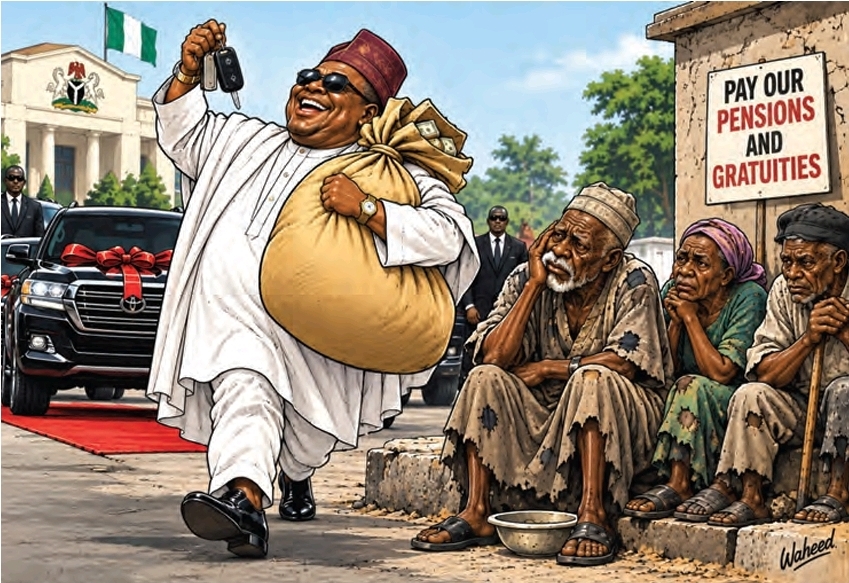
You think petrol became expensive in 2026? Cute. It actually became expensive the day Nigeria’s political class realised they could sell you empty air, stamp a piece of paper “premium motor spirit,” and cash the cheque at the Central Bank. The most elegant example remains the MT Emerald.

Nigeria at 66: When a 1983 Coup Speech Still Sounds Like Today By Lawson Akhigbe

As Nigeria prepares to mark another Independence Day on 1 October, I have been reading a speech delivered on 31 December 1983 by a young Brigadier, Sani Abacha, announcing the overthrow of the democratically elected government of President Shehu Shagari.

The King’s Square Circus: When Justice Becomes a Stage Play by Lawson Akhigbe

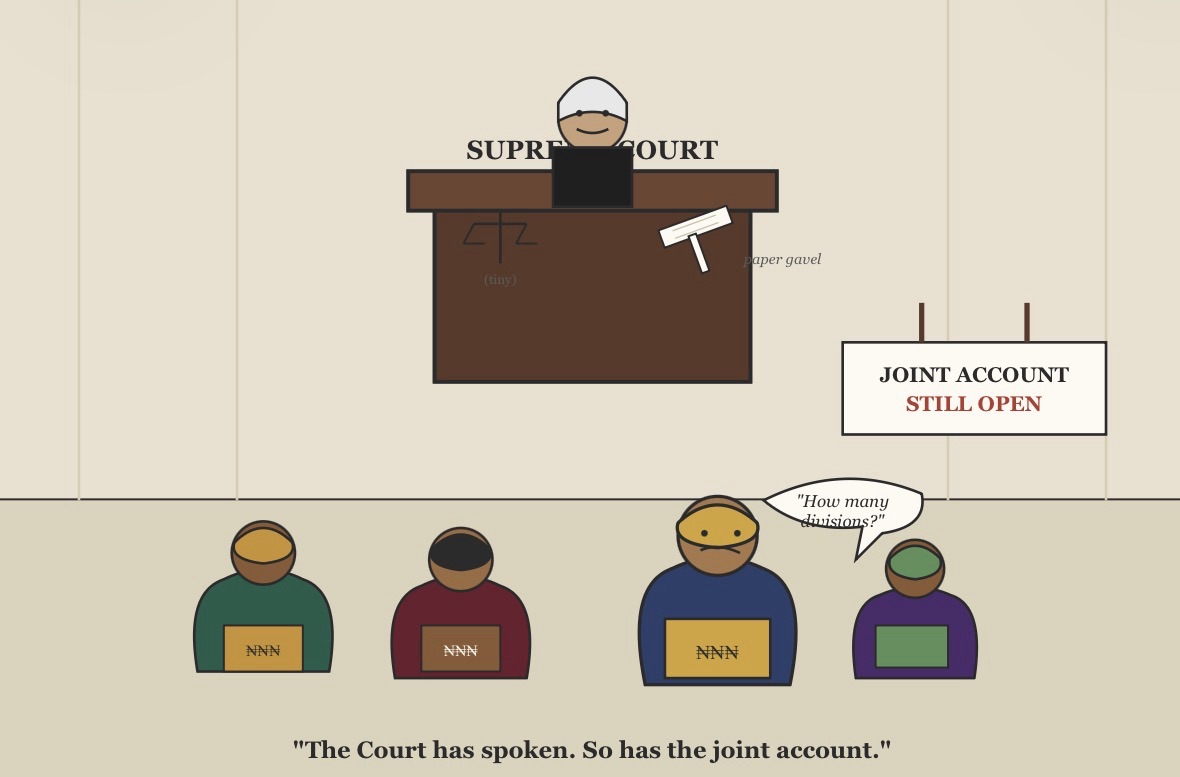
There is an old legal maxim that justice must not only be done, but must also be seen to be done. Somewhere between Osadebe Avenue and King’s Square, however, that venerable principle was evidently fed into a shredder, doused in kerosene, and traded for prime-time television ratings.

Kemi Badenoch and the economy: a plan stuck in the Tory comfort zone by The Guardian Editorial

To outlast a prime minister always counts as some kind of achievement for an opposition leader, although Kemi Badenoch cannot claim credit for Sir Keir Starmer’s downfall. Sir Keir’s wounds were mostly self-inflicted. To the extent that opposition pressure was involved, it was electoral threats from Reform UK and the Green party that stoked Labour party frustration to a regicidal pitch. The Tory leader’s role was largely as a spectator.

When Power Becomes Permission: The Retreat of the Rule of Law in Nigeria by Lawson Akhigbe

A state begins to lose its authority when the law is formidable when dealing with the powerless but negotiable when dealing with the politically connected. Nigeria is increasingly flirting with precisely that danger.