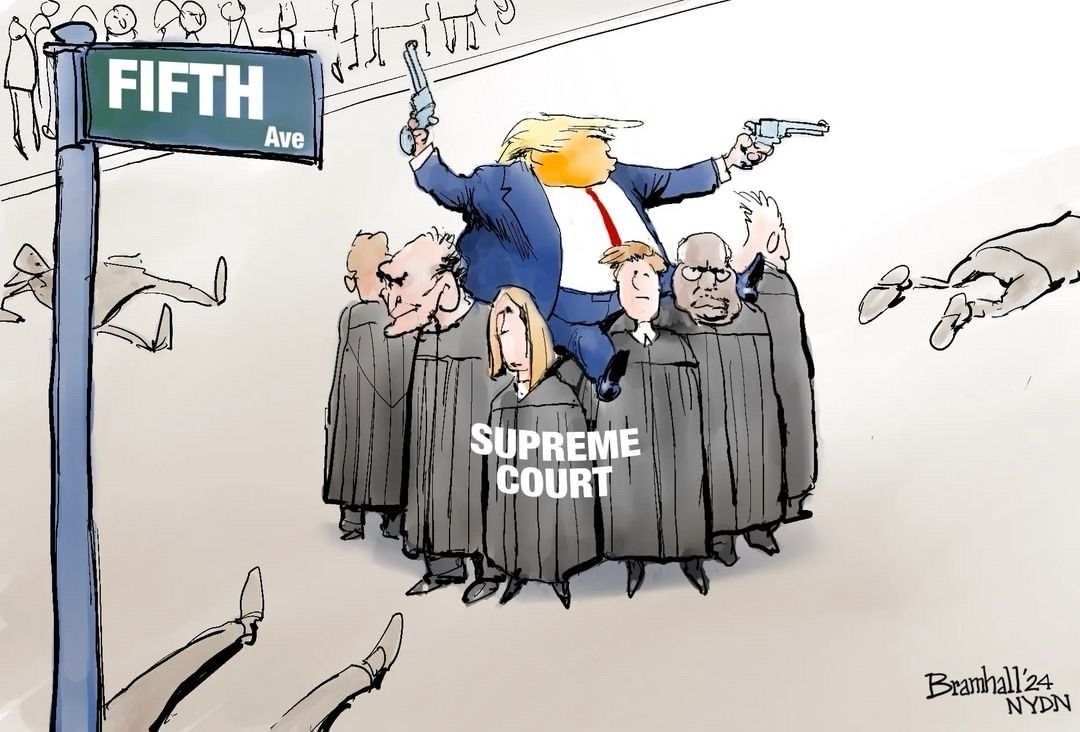
There is an eternal, almost Newtonian law of modern politics: wherever a politician loudly proclaims they are "standing up for the forgotten working man," you will inevitably find a discreet corner table in a private Mayfair club where someone is eagerly trying to launder foreign money.
WHEN THE FINE OUTLASTS THE SENTENCE: NIGERIA’S DIPLOMACY OF THE UNCOMPELLED By Lawson Akhigbe
Ambassador Yakubu Gambo did Nigeria the rare courtesy of telling the truth in public, which in the diplomatic trade counts as a small scandal in itself. Standing before Abike Dabiri-Erewa at NiDCOM’s Abuja headquarters, he confirmed what families of the detained have known for years without an official ever saying it plainly: Nigerians who have finished serving their Saudi jail terms remain locked up anyway, held hostage to fines they cannot pay and a government that has not worked out how to pay them either. He framed it as a welfare concern, a matter for coordination and consolidation of diaspora associations under one umbrella. It is, more accurately, a description of a state that has run out of leverage and is calling the shortfall a strategy.
Reform UK’s Brexit immigration impact
Reform UK’s perspective on Brexit and immigration is central to its identity: Brexit was meant to deliver control over borders and lower overall migration, but post-2016 (especially post-2021) governments primarily Conservative, failed to use that control effectively, leading to a non-EU migration surge that the party labels the “Boriswave.” Reform argues this undermined the Brexit promise, strained public services, housing, wages, and cultural cohesion, and necessitates far tougher policies.
Reform UK and others – Immigration Policy Compared
Reform UK’s immigration policies stand out as the most restrictive among major UK parties, emphasizing a sharp reduction in both legal and illegal migration, prioritisation of British citizens, and radical enforcement measures. They position immigration as a core driver of housing shortages, NHS strain, wage suppression, cultural change, and public service overload.
The Invisible Invasion: Britain’s Immigration Panic and the Arithmetic It Cannot Face By Lawson Akhigbe
Black people account for roughly four percent of the population of England and Wales. More of them are in the EastEnders cast than are arriving on the asylum route in any given year. Yet Britain has contrived to make this the defining political question of the age. We should talk about that.