

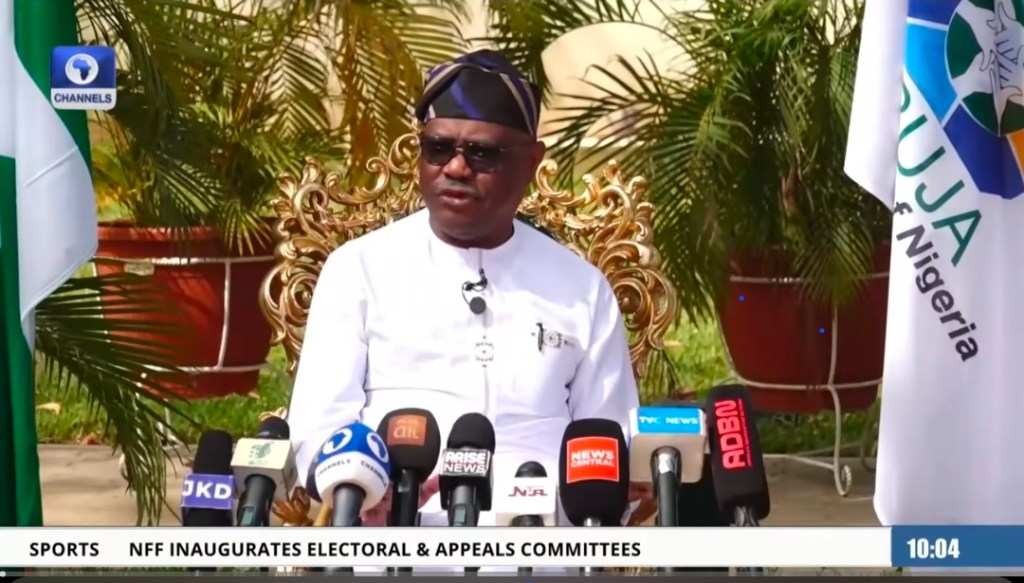
Nyesom Ezenwo Wike (born 1967), a Nigerian lawyer and politician from the Ikwerre ethnic group in Rivers State, exemplifies the dynamics of political patronage, godfatherism, loyalty, and power consolidation in Nigeria’s Fourth Republic. His career trajectory, from local government chairman to state governor and federal minister, highlights how personal networks, resource control (especially oil-derived revenues), strategic alliances, and public confrontations shape Nigerian politics.
Early Foundations: Loyalty as Currency (1990s–2007)
Wike entered politics through mentorship and demonstrated loyalty. In the late 1990s, he served Senator John Azuta-Mbata with notable dedication (including personal tasks like vehicle maintenance, per local accounts). This earned him election as Executive Chairman of Obio/Akpor Local Government Area (LGA) in 1999, a position he held for two terms until 2007. He also rose in the Association of Local Governments of Nigeria (ALGON).
Nuances: This phase established Wike’s pattern of “loyalty-first” politics. Patronage here flowed downward (jobs, contracts, support) in exchange for upward allegiance. Rivers State’s oil wealth amplified these networks even at the local level. Critics note that such systems often prioritize personal fealty over merit or broad development.
Rise Under Amaechi: From Protégé to Power Broker (2007–2014)
Rotimi Amaechi, as governor (2007–2015), appointed Wike as Chief of Staff (2007–2011). Wike became a key tactical operator, helping stabilize the administration. Amaechi later facilitated his appointment as Minister of State for Education (2011) under President Goodluck Jonathan, with Wike briefly acting as full Minister.
This relationship exemplified classic godfatherism: the patron (Amaechi) elevated the protégé with expectations of continued control. Wike built influence within the Peoples Democratic Party (PDP) structure.
The Break and Fallout: Tensions emerged around 2012–2013. Amaechi replaced Wike as Chief of Staff and allegedly tried to sideline him. Wike aligned with Jonathan and Patience Jonathan, wrested control of the Rivers PDP executive (via court actions), and positioned himself as Amaechi’s rival. By 2015, Wike won the governorship, effectively sidelining Amaechi (who moved to the APC).
Implications: This rupture set a template for Wike’s career, public, theatrical betrayals of former patrons/allies, often involving detailed accusations. Mutual recriminations continue, with both men trading barbs over origins, influence, and popularity. It polarized Rivers politics into PDP vs. APC camps, contributing to electoral violence and instability.
Governorship: Patronage as Statecraft (2015–2023)
As governor, Wike leveraged Rivers State’s massive federal allocations and derivation funds for a dual strategy: visible infrastructure (flyovers, roads, schools, judicial complexes) and an extensive patronage network. He distributed resources to politicians, security officials, traditional rulers, and elites in exchange for loyalty.
Key elements included:
- Control of Party Structures: Wike dominated the PDP in Rivers, using it as a vehicle for personal influence.
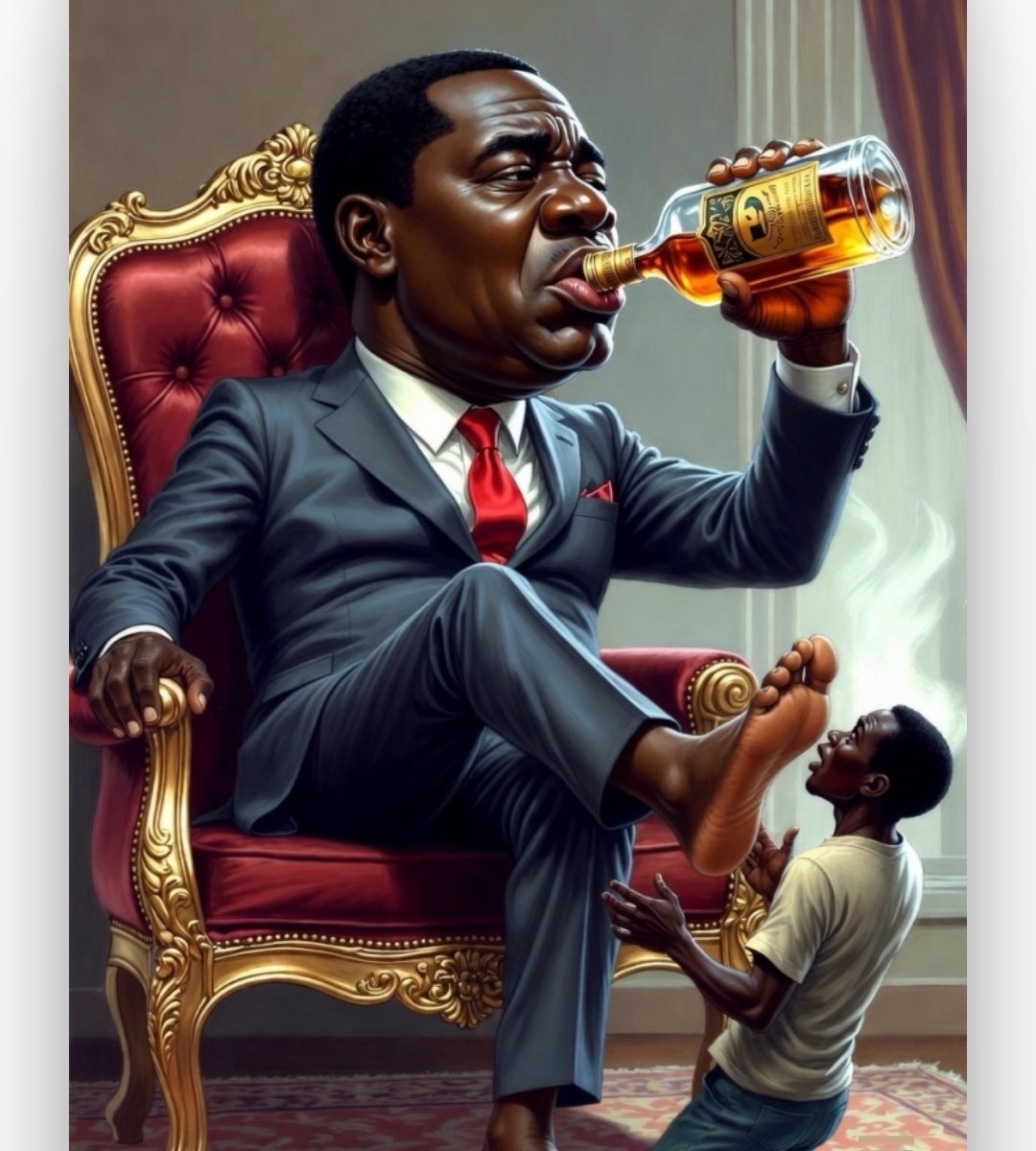
- “Stomach Infrastructure”: Alleged nocturnal distributions of cash and favors, creating dependencies. The 2026 article describes an “open bar of secrets” where compromise bought access but risked later exposure.
- Infrastructure Legacy: Supporters credit tangible projects; detractors view them as photogenic patronage tools masking deeper issues like unaccounted funds.
Edge Cases and Controversies: Wike faced accusations of authoritarian tendencies, demolitions (e.g., during COVID), and clashes with federal institutions. His style emphasized raw power (“I fought my way to power”) while rejecting pure patronage narratives.
Post-Governorship and Fubara Rift: The Godfather Challenged (2023–Present)
Wike handpicked Siminalayi Fubara as successor in 2023, expecting control. The relationship soured rapidly over party structures, appointments, and autonomy. This led to public insults, lawsuits, legislative crises, and federal payment halts. Wike has projected ongoing dominance, visiting LGAs and signaling 2027 battles.
Nuances: Fubara’s assertion of independence mirrors Wike’s own break from Amaechi, protégés often outgrow or resent godfathers. This highlights godfatherism’s fragility: it relies on sustained resource flows and fear, but elected office grants independent legitimacy. The feud has disrupted governance, with boycotts and parallel structures.
As FCT Minister under President Bola Tinubu (APC), despite PDP membership, Wike demonstrates pragmatic cross-party patronage. He enforces policies like ground rent while maintaining Rivers influence, positioning himself as a national player.
Broader Themes, Implications, and Context
- Godfatherism’s Cycle: Wike rose via patrons (Mbata, Amaechi, Jonathan allies) then became one. Each fallout reinforces a zero-sum view of power, where shared secrets become weapons. This perpetuates instability, Rivers has seen prolonged political turbulence.
- Resource Curse Angle: Oil wealth enables patronage without strong institutions or accountability. Elite “queue” for favors despite risks because systemic incentives (lifestyle maintenance, weak shame culture) outweigh exposure costs.
- Performance and Populism: Wike blends projects with brash oratory, alcohol-fueled revelations, and defiance. This entertains supporters and deters opponents but alienates others.
- 2027 and Beyond: Control of Rivers structures remains key. Wike’s adaptability (backing Tinubu while in PDP) suggests survivalist pragmatism over ideology.
- Counterpoints: Defenders highlight infrastructure delivery, political engineering skills, and fighting for Rivers’ interests. Wike rejects “handpicked” labels, emphasizing personal grit.
Related Considerations: Patronage sustains short-term stability but undermines institutions, accountability, and long-term development. It mirrors national patterns (e.g., other godfather-protégé feuds in Edo, Oyo). Democratic deepening would require stronger parties, independent judiciary, and diversified economies reducing resource dependency.
Wike’s history is one of remarkable resilience and controversy, a master of patronage who weaponizes its downsides (exposure) while benefiting from its mechanics. It offers a lens into Nigeria’s political economy: power as personal empire-building, where loyalty is transactional, memory is long, and the “open bar” rarely closes. Outcomes for Rivers’ governance and 2027 elections will test whether this model endures or evolves.
 Centre for Nigeria Progress
I happen to have some gallert pics that might mean leverage for the right person.
DM mirrormaven777@g
LikeLiked by 1 person