


Blessing Sheriff Agbebaku
How Governors Became Kings and Assemblies Became Yes-people.
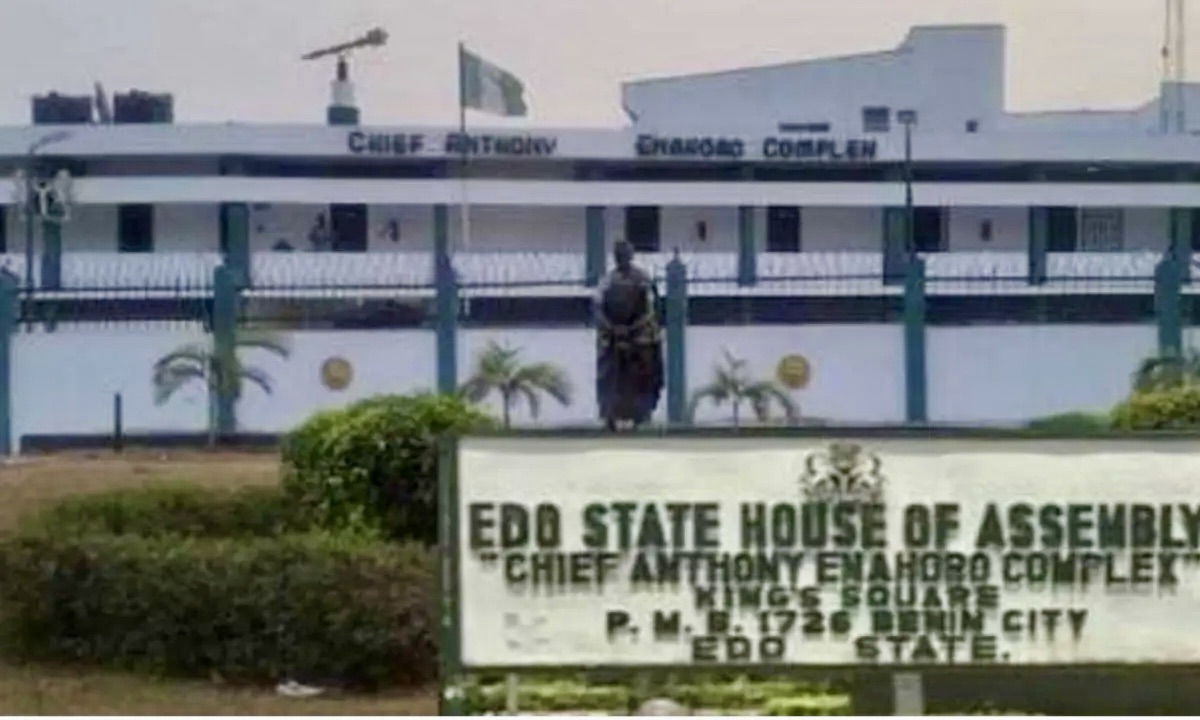
Ah, the “rubber stamp” that delightful term in Nigeria’s democratic theatre, where lawmaking meets the executive like a eager intern stamping “APPROVED” on every memo. Far from a harmless office gag, it’s a glowing indictment of institutional surrender. When a lawmaker proudly (or sarcastically) calls a state House of Assembly a rubber stamp for “development,” one wonders if they’re auditioning for a satire or simply auditioning for a post-gubernatorial appointment. After all, the 1999 Constitution (as amended) didn’t set up three arms of government so one could play puppet master while the others nod along like bobbleheads. As Lord Acton might quip today: power tends to corrupt, absolute power corrupts absolutely, and in Nigeria, it often comes with a generous security vote and zero receipts.
Let the executive run wild without meaningful restraint, and you don’t get efficient governance you get a delightful cocktail of authoritarian seasoning, policy face-plants, and the occasional whiff of impunity. Don’t mistake this for a call for endless legislative-executive warfare; that would be as productive as a union strike in a bakery during harmattan. Collaboration is vital. But pretending every disagreement is toxic “friction” is like calling a fire alarm a party pooper. Scrutiny isn’t drama it’s the constitutional spice that stops the executive soup from boiling over into something unpalatable for the citizenry. Uncritically rubber-stamping everything in the name of progress isn’t loyalty; it’s abdicating your job while pretending to be a team player.
The Long, Winding Road to “Independence” (With Training Wheels)
Back in the Sixth National Assembly, the bold idea of giving state Houses some actual independence was shot down faster than a controversial bill during budget season lacking the magical two-thirds state support. Fast-forward to the Eighth Assembly around 2018, and President Muhammadu Buhari signed the Fourth Alteration Bill, a shiny constitutional tweak promising financial autonomy for state legislatures and the judiciary. Direct funding from the Consolidated Revenue Fund! No more begging governors like reluctant relatives at month-end. Freedom at last!
Or not. Implementation has been about as smooth as Nigerian traffic during fuel scarcity. Governors, ever the resourceful guardians of “state resources,” dragged their feet. Buhari tried Executive Order 10 in 2020 to force the issue only for states to drag the federal government to court. The Supreme Court in 2022 politely (but firmly) told the President he’d overreached, striking down the order while reminding everyone that true autonomy shouldn’t need a federal babysitter.
Years later, only a plucky few states like Delta, Lagos, Nasarawa, Oyo, and Plateau enjoy something resembling real independence. Others offer “partial autonomy,” which sounds suspiciously like “we’ll give you money when we feel like it.” Speakers still clamor for direct allocations, while the Supreme Court’s 2024 local government autonomy ruling delivered another judicial mic drop: governors can’t keep treating local funds like personal piggy banks or casually dissolving elected councils. President Tinubu has even urged compliance proof that hope springs eternal, or at least every election cycle.
Progress? Yes. But when state assemblies still struggle to hire decent staff or pass their own bills without gubernatorial blessing, it feels less like liberation and more like upgrading from wooden shackles to slightly fashionable ones.
Timeless Voices, Enduring Punchlines
Samson Osagie nailed it: state lawmakers too often tied to governors’ “apron strings” because funding flows through the executive like favours at a political wedding. Direct allocations were meant to cut those strings. The diagnosis still rings true only now with occasional court-mandated scissors.
Dr. Ali Ahmad, then Speaker of the Kwara State House, admitted some assemblies risk complacency in one-party setups but boasted of blocking dodgy borrowing, indiscriminate filling station licences, and paltry agriculture budgets (bumped from a laughable N33 million to N6.7 billion). He called out governors acting as “kings” and urged states to copy the feistier National Assembly. In Kwara, they even pioneered private member bills radical stuff! Today, such heroism exists in flashes, but the kingdom model remains stubbornly popular.
Cletus Obun blamed PDP-era impunity and one-party dreams for turning parliaments into glorified echo chambers. Channeling Jonathan Swift, he suggested Nigeria had time-traveled back to the 18th century, where parliaments were satirical punchlines rather than pillars. With executive recklessness as the vehicle, the ride continues.
Abdullahi Jalo explained the practical handcuffs: governors know every lawmaker’s village, family, and party lineage. Federal lawmakers are distant enough for occasional spine; state ones are basically extended family. Defiance is possible but why risk the family reunion?
And in places like Rivers State, tales of invisible budgets, zero constituency projects, and lawmakers starved of funds read like a tragicomedy: elected to represent the people, yet performing more like background extras in the governor’s blockbuster.
The Modern Farce: Politics, Courts, and Selective Outrage
Fast-forward through Buhari’s later years and into the Tinubu era, and the National Assembly still dodges “rubber stamp” accusations usually by claiming harmonious collaboration produces results in tax reforms and infrastructure. Critics, however, see a legislature more interested in perks than probing. At the state level, the show goes on: executive dominance thrives amid economic headaches, insecurity, and elections that sometimes feel more like coronations.
The judiciary has tossed in some plot twists rulings reinforcing federalism and clipping gubernatorial wings. Yet implementation remains the eternal Nigerian plot hole: laws and judgments exist, but political will often ghosts the scene. Nigeria still impresses some West African neighbours, though subnational “governor-kings” risk turning the federation into a loose collection of personal fiefdoms.
Why This Satire Needs to End
Unchecked governors don’t just delay development they turn public service into a private enterprise. Real autonomy could spark innovative laws on everything from farming to security, actually earning those “dividends of democracy” we keep hearing about. But autonomy without accountability is just swapping one set of yes-men for another. It requires voters who pay attention, parties that value competence over loyalty, and a political culture that treats public office as service rather than a lottery jackpot.
In the end, Nigeria doesn’t need perfectly harmonious arms of government it needs functional ones that occasionally disagree like adults instead of a governor holding court with applauding courtiers. State assemblies: the rubber stamp has served its comedic purpose. Time to retire the prop and pick up the actual tools of legislation. Citizens will be watching hopefully with fewer sighs and more demands.

