When the Court Said “No” and the Military Said “Watch Me”: The Landmark Case of Emmanuel Olatunde Lakanmi v. Attorney-General (West) [1971] By Lawson Akhigbe

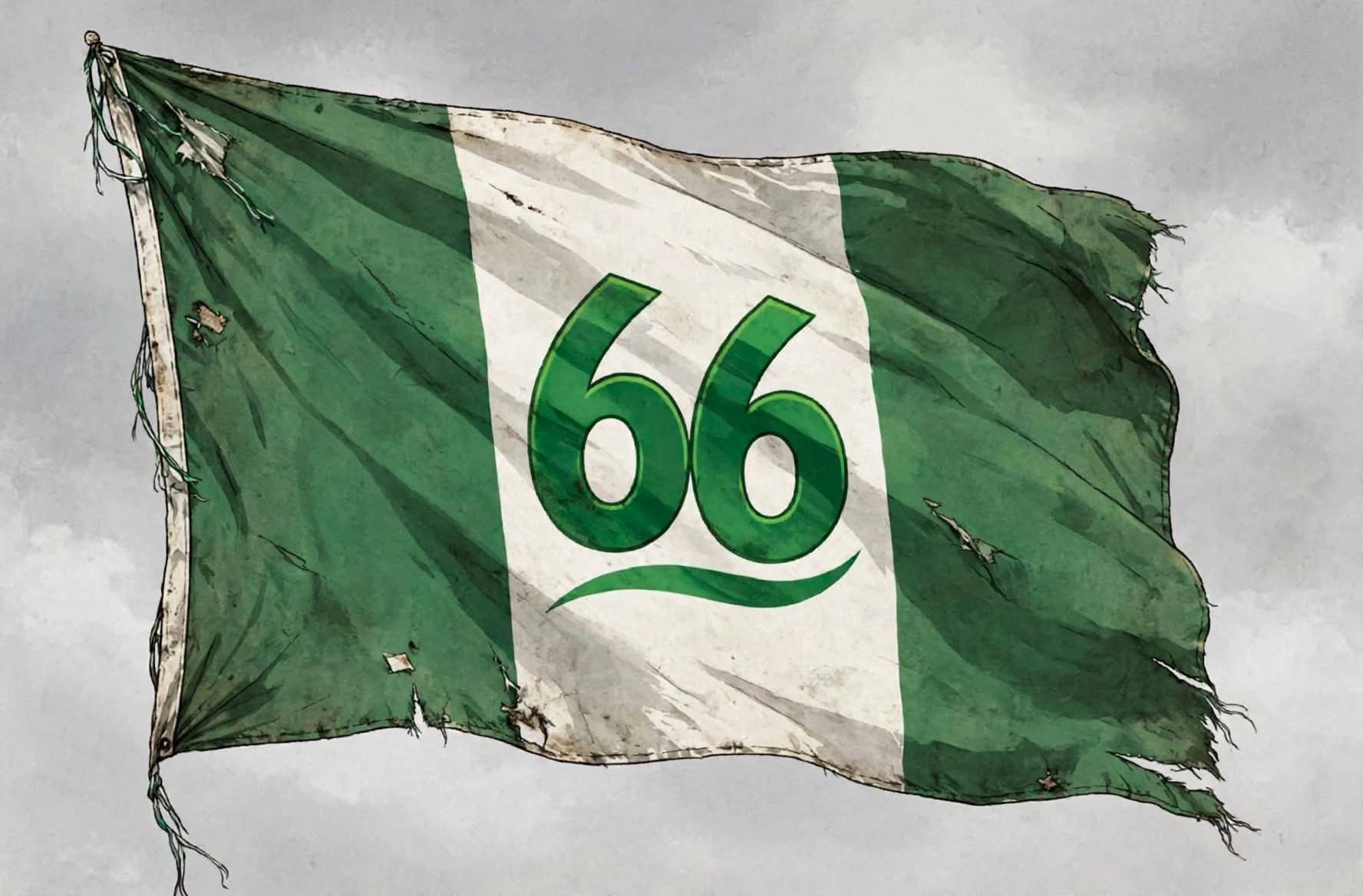
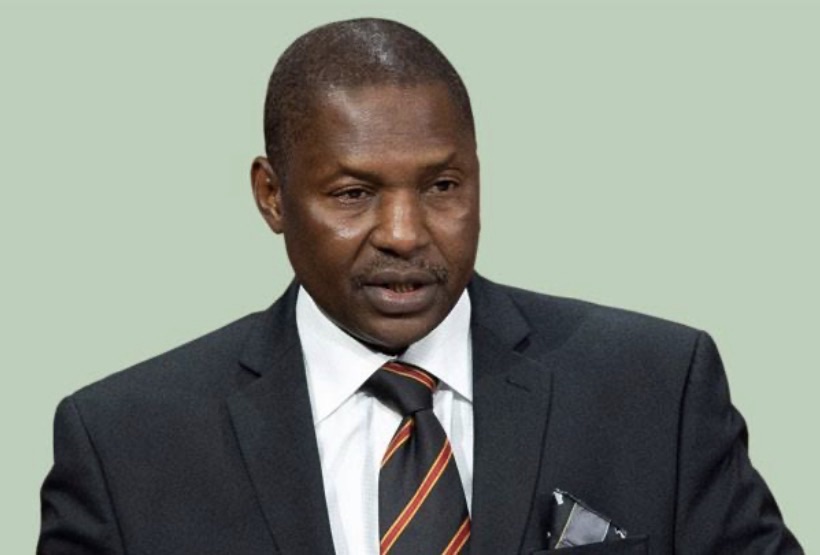
The Case of Lakanmi & Kikelomo Ola v. Attorney-General (West) & Others The post discusses a landmark Nigerian legal case, "Lakanmi & Kikelomo Ola v. Attorney-General (West) & Others," which highlights the tension between the judiciary and the military government in Nigeria. Background: Following the military coup of January 15, 1966, Nigeria was ruled by the Federal Military Government (FMG) which issued decrees and edicts without a proper court process. Lakanmi and others were seized of their assets under the Western State Assets Forfeiture Edict, which established a tribunal to investigate individuals and seize their assets. Judgment: The courts, remarkably, agreed with Lakanmi and others, and their challenge succeeded. The Supreme Court ruled in their favor again, laying down some of the most important constitutional principles in Nigerian legal history. Constitutional Principles Established: 1. Military Government Is Revolutionary, Not Sovereign: The Supreme Court made a distinction that the military did not govern by inherent sovereign authority. It came to power through revolution, an extra-legal, factual event, and therefore its authority was necessarily limited by the nature of its origin. The post emphasizes the courage and intellectual rigor of the judiciary in delivering a judgment that challenged the military government's authority. It also highlights the government's retroactive legislative action, which nullified the court's judgment and effectively told the judiciary that it would not be needed.

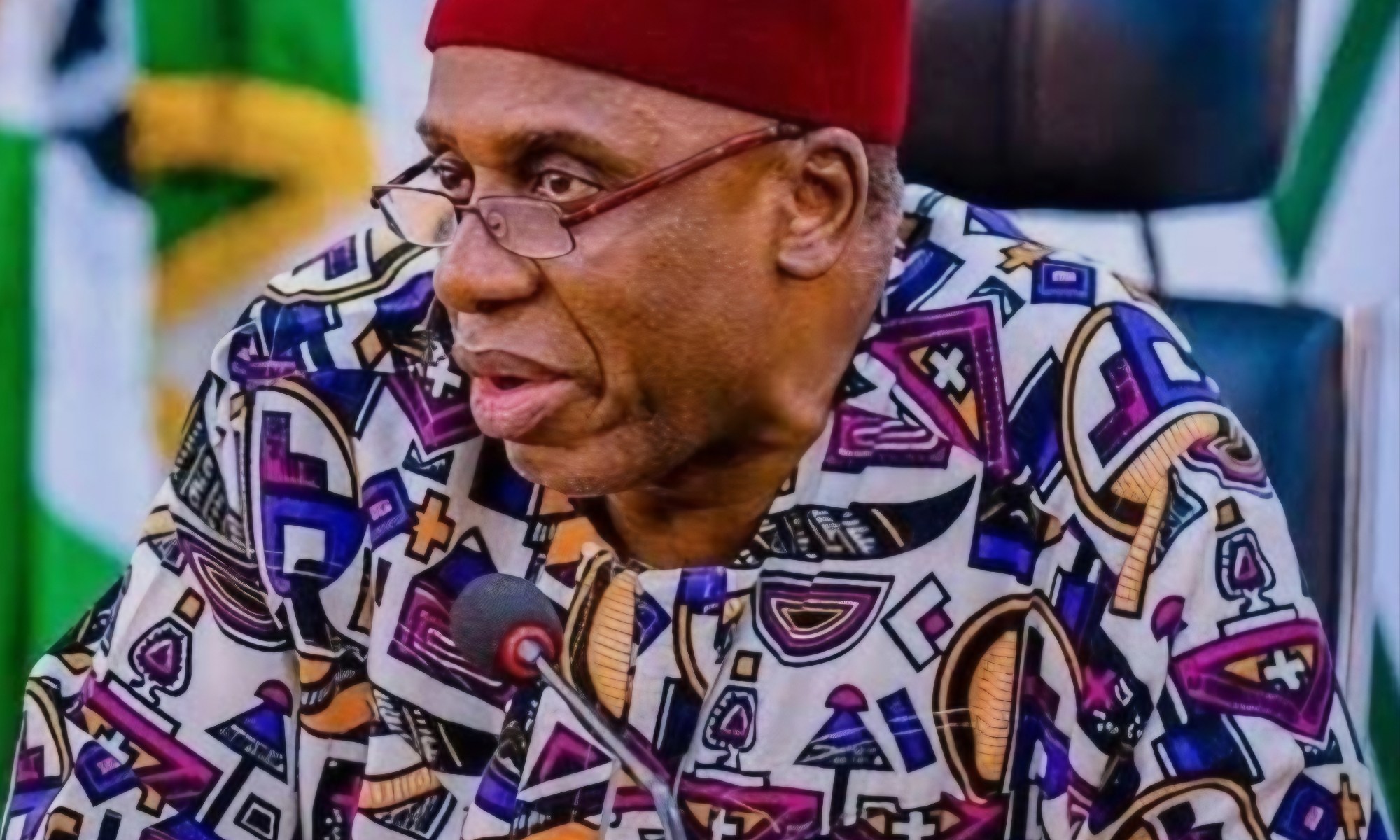
THE LAW AS LOADED GUN: NOTES FROM EDO STATE’S SEASON OF VAGUE STATUTES AND VAGUER MEN By Lawson Akhigbe

Once the apparatus exists, point it wherever is politically convenient. The genius of the trick is that anyone who objects to the pointing can be accused of sympathising with the fear itself.

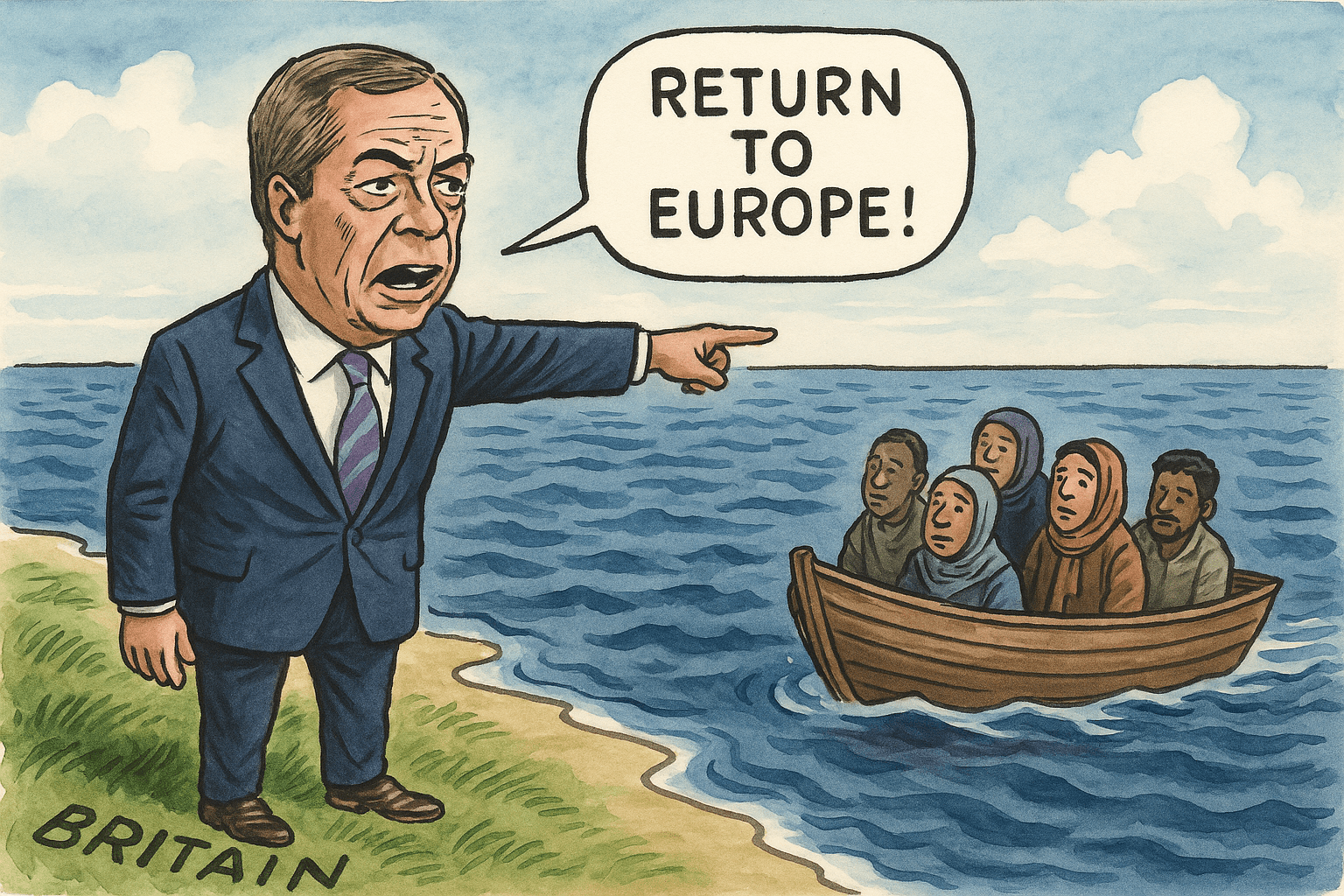
Xenophobia as an Economy: How Violence Becomes a Political and Financial Instrument in South Africa by Lawson Akhigbe

The tragedy is not just that the poor are fighting each other. It is that, in doing so, they are unwitting participants in a system that depends on exactly that outcome.