

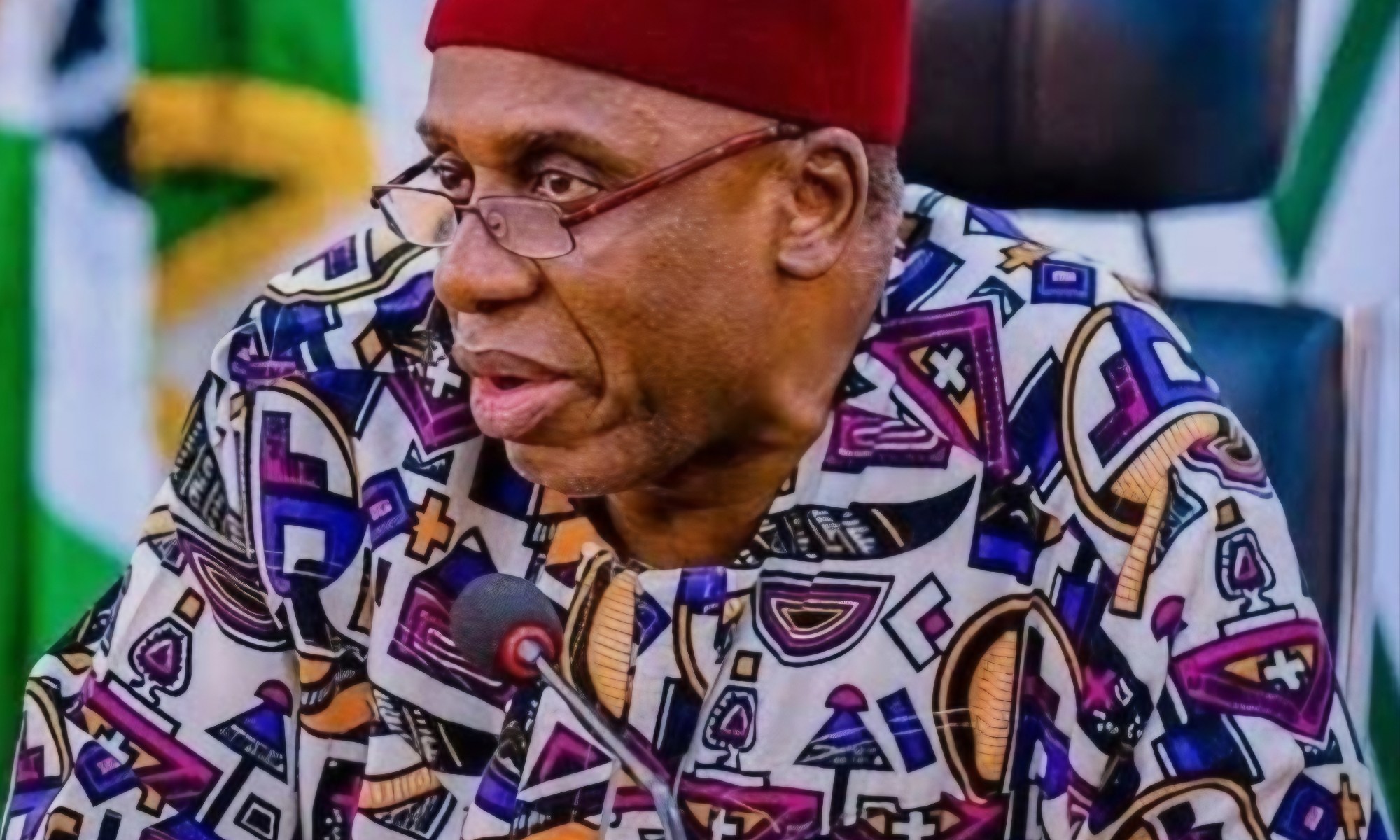
Ah, the Doctrine of Necessity’s cheeky cousin: the 2008 Supreme Court blockbuster Rotimi Amaechi v. INEC & Ors. If Nigerian politics is a Nollywood script full of plot twists, this case was the director yelling “cut!” and rewriting the ending after the credits rolled.
The Setup (Because Why Follow the Script?):
Back in 2007, Rotimi Amaechi won the PDP primaries for Rivers State governorship in a landslide (6,527 out of 6,575 votes—basically a coronation). PDP submitted his name to INEC. Then, in true PDP fashion, they decided “error” was a cogent and verifiable reason under Section 34 of the Electoral Act to swap him for Celestine Omehia. No court disqualification, no proper notice—just vibes and “whoopsie.” Omehia ran, “won,” and was sworn in. Amaechi, naturally, sued.
The Plot Thickens (Post-Election Drama):
The case dragged to the Supreme Court after the election. Lower courts had mixed signals, but the apex court wasn’t having it. In a January 2008 judgment (reasons delivered after the October hearing), Justice Oguntade led the charge: PDP’s “error” didn’t cut it. Amaechi’s name was never validly substituted. Therefore, in the eyes of the law, he was the PDP candidate all along. Votes cast for the party? His. Omehia? Never legally there. Boom—Amaechi declared governor without contesting the actual poll.
The Court leaned on Section 221 of the 1999 Constitution: parties contest elections, not individuals. A good (or substituted) candidate just rides the party’s wave. Ordering a fresh election? Nah, that would reward the mischief. Instead, Amaechi stepped straight into the governorship shoes. Omehia vacated immediately. Pure judicial pragmatism—or, as critics whisper, a creative stretch worthy of necessity doctrine territory.
The Satirical Genius (And the Hangover):
This wasn’t just a ruling; it was the Supreme Court playing God with democratic timelines. “The building wasn’t burning,” as our blog might say, “but the primaries felt a bit drafty, so we retrofitted reality.” It punished party tyranny and sloppy substitutions, setting a bold precedent against internal recklessness. Yet it raised eyebrows: declaring a non-candidate the winner post-facto? In a written constitution obsessed with supremacy? That’s not gap-filling; that’s redecorating the entire house while the owners are away.
Later cases (and Electoral Act tweaks like Section 141) walked some of it back, insisting only participants in all stages can win. But Amaechi remains legendary—a reminder that in Naija law, “vested rights” can survive even the ballot box itself. PDP learned the hard way: don’t play games with primaries unless your “error” comes with receipts.
In the end, the Doctrine of Necessity didn’t star here, but its spirit hovered like an uninvited guest at the swearing-in. Nigerian jurisprudence: where technicalities meet “greater justice” and everyone leaves questioning if the Constitution is supreme… or just suggestible.
Read the full original article for more on how this fits the bigger necessity puzzle: When “We Had No Choice” Becomes a Legal Doctrine.
What a time to be a Nigerian lawyer—or a citizen watching the legal acrobatics. Pass the popcorn. 🎪

