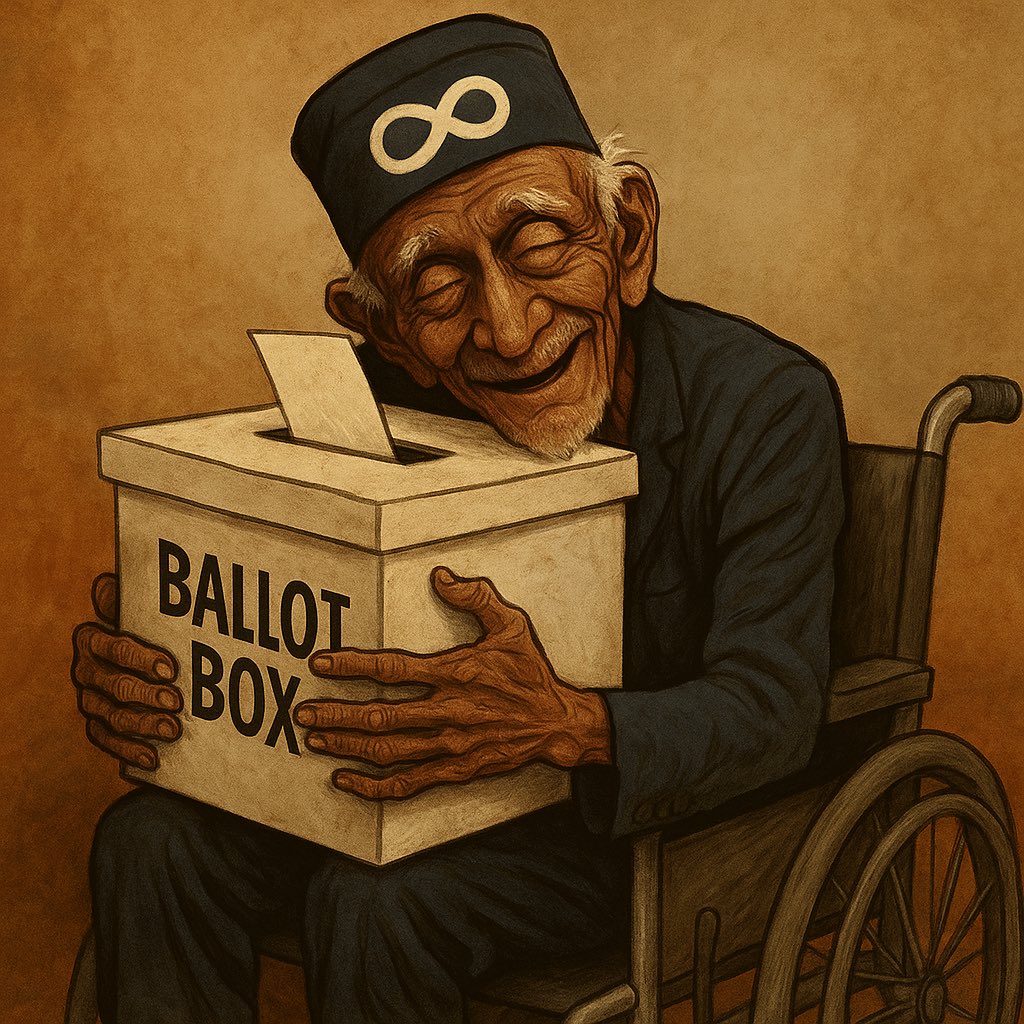
The Ghost Who Keeps Signing by Lawson Akhigbe

The Land Use Act of 1978 vested radical title to land in the state governor. Customary authorities were meant to operate within that framework, not around it. Yet when the formal system becomes a source of frustration rather than facilitation, human ingenuity finds other routes. Enter the late Oba. His name carries historical weight. The palace, however, maintains no functional modern archive capable of systematic verification. Oral history is the dominant method, and most of the original participants are no longer available for cross-examination. The result is a paper trail that is difficult to audit and easy to exploit.

Reform UK’s Brexit immigration impact

Reform UK’s perspective on Brexit and immigration is central to its identity: Brexit was meant to deliver control over borders and lower overall migration, but post-2016 (especially post-2021) governments primarily Conservative, failed to use that control effectively, leading to a non-EU migration surge that the party labels the “Boriswave.” Reform argues this undermined the Brexit promise, strained public services, housing, wages, and cultural cohesion, and necessitates far tougher policies.

Reform UK and others – Immigration Policy Compared

Reform UK’s immigration policies stand out as the most restrictive among major UK parties, emphasizing a sharp reduction in both legal and illegal migration, prioritisation of British citizens, and radical enforcement measures. They position immigration as a core driver of housing shortages, NHS strain, wage suppression, cultural change, and public service overload.

The Marriage That Left No Paper Trail: On Proving Customary Law Marriage in Nigeria by Lawson Akhigbe

Nigerian law has always been more comfortable with paper than with people. A statutory marriage produces a certificate, a registrar, a stamp, a bureaucratic afterlife. A customary marriage produces witnesses, memory, and decades later, when the deceased’s estate is being carved up by relatives who suddenly remember every obligation of kinship a courtroom full of people arguing about who exactly was standing where when the kola nut was broken.

Dissolution Of Customary Marriages

When a customary marriage is dissolved in Nigeria, the distribution of property and assets does not follow the same rules as a statutory (court) marriage. While statutory marriages are governed by Section 72 of the “Matrimonial Causes Act (MCA)” which grants judges wide discretion to divide matrimonial properties equitably, customary marriages are governed strictly by “Native Law and Custom”, subject to constitutional tests of fairness.