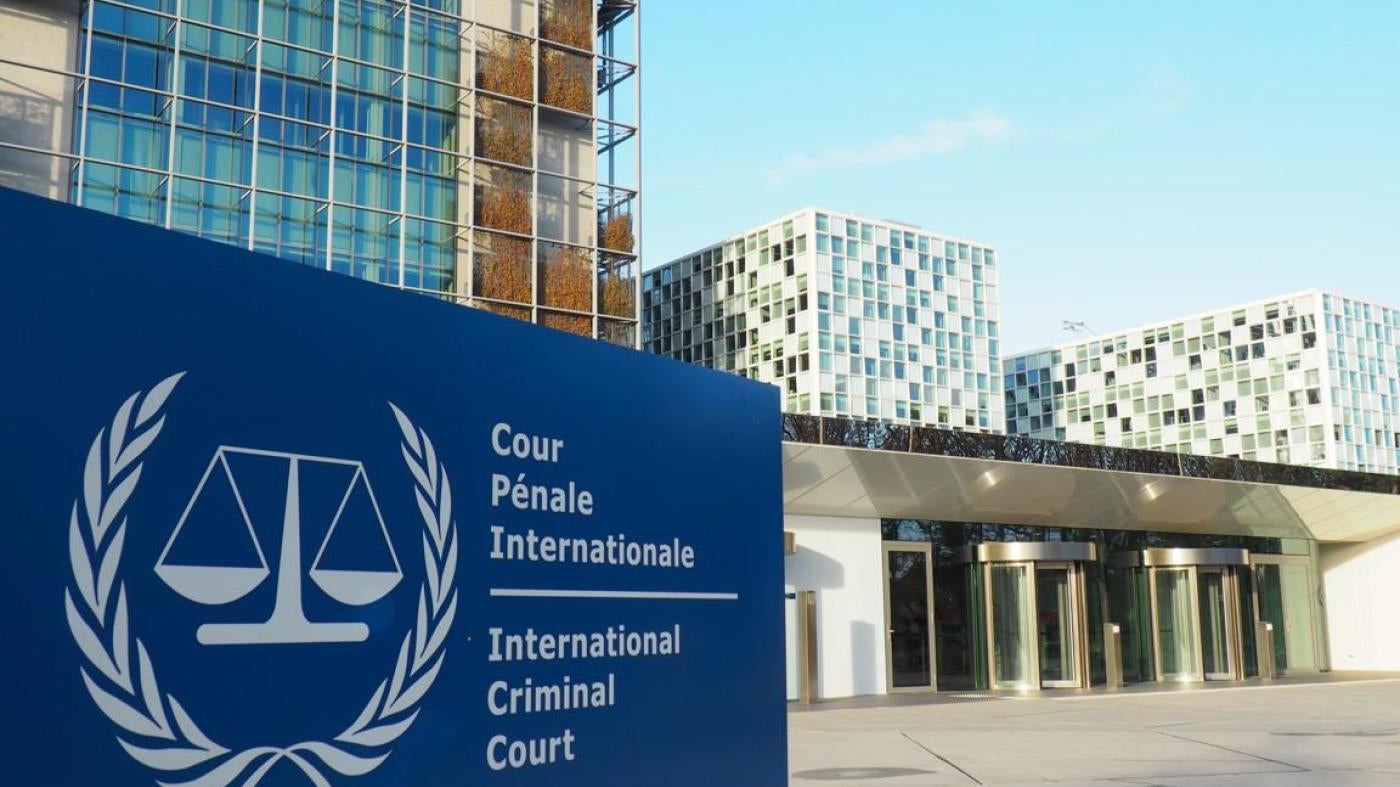
For years the International Criminal Court has operated like a colonial-era court with better stationery and a more solemn logo. The docket groaned under the weight of African cases while the architects of certain adventures in Libya, Iraq, and beyond somehow remained mysteriously unburdened by the same enthusiastic pursuit of accountability. The rule of law, we were solemnly told, was universal. The application, it turned out, was rather more exclusive.
Boko Haram Ransom Tactics: A Multi-Faceted Comparison in the Context of Nigeria’s “Starve the Beast” Dilemma
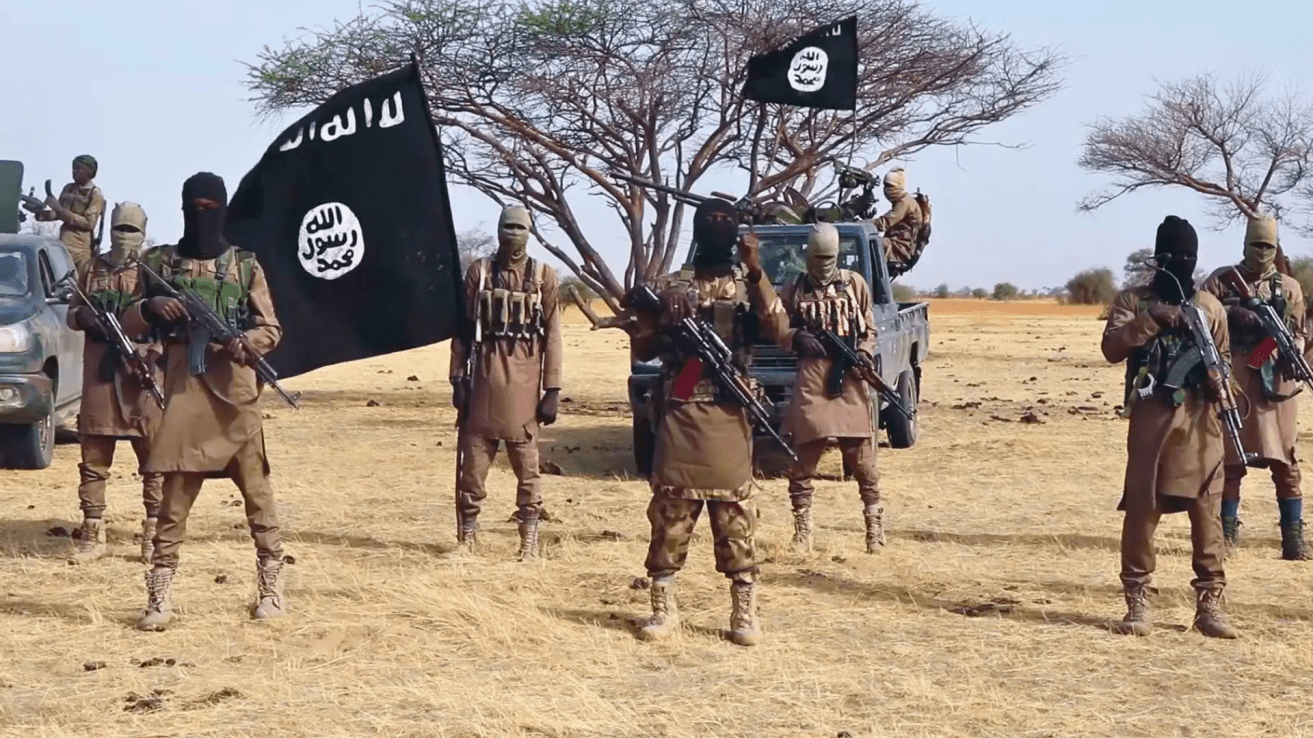
Boko Haram’s kidnapping-for-ransom (KfR) tactics exemplify the shift Lawson Akhigbe describes in his April 2026 article: modern Nigerian insurgencies as “grotesque startups” where cash flow, not conviction, sustains the beast. What began as opportunistic grabs for foreign hostages evolved into a sophisticated, multi-purpose revenue engine intertwined with ideology, propaganda, recruitment, and psychological warfare. Yet factional splits, territorial losses, and competition with purely criminal bandits have diversified and, in some ways, industrialized these tactics. This analysis compares Boko Haram’s (Jama’atu Ahl as-Sunnah li-Da’awati wal-Jihad, or JAS, under Abubakar Shekau’s legacy) approaches to its ISWAP splinter, to northwestern bandits, and to historical/contemporary parallels (FARC, Somali pirates, AQIM). It draws on evolution, methods, motivations, outcomes, and policy implications—highlighting nuances like gendered violence, government complicity, and the high human cost of “starve the beast” strategies.

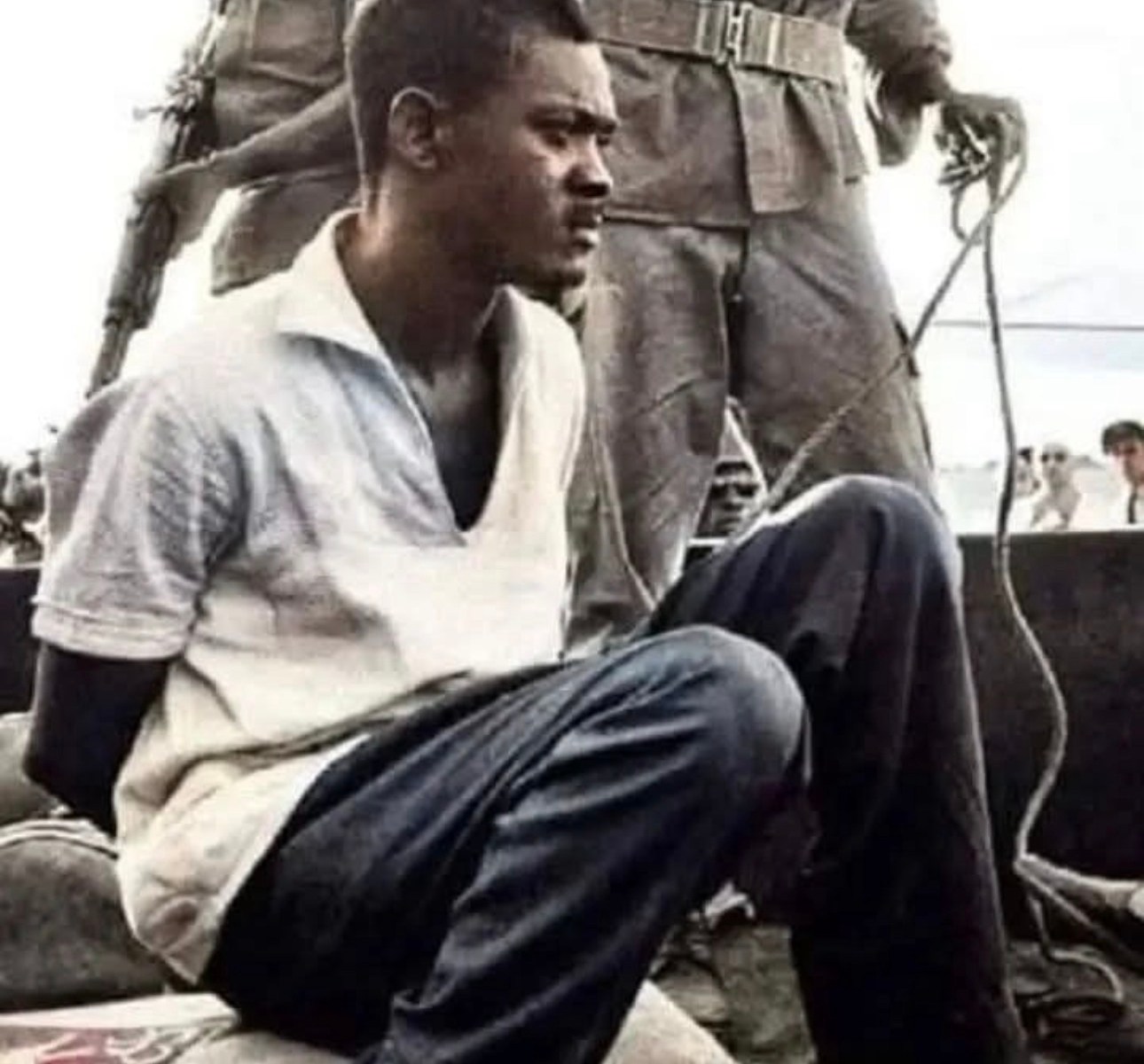
How King Leopold II Of Belgium Killed 10 Million Africans In The Congo – Harrowing Details
King Leopold II of Belgium laid claim to the Congo and declared it his territory while exerting physical threats to the indigenous people of the Congo (Kongo). He declared the people and the land to be his property, and he quickly turned the country into a moneymaking venture for himself and his throne.
The Law Is a Blunt Instrument by Lawson Akhigbe
In the fearful months and years following the terrorist attacks of 11 September 2001, Western democracies faced an unenviable dilemma. Their citizens demanded protection from an enemy that recognised no borders, wore no uniforms and deliberately targeted civilians.
Anatomy of Kidnapping: The Law and Enforcement by Lawson Akhigbe
In Nigeria, the legal framework explicitly criminalizes the payment of ransoms to kidnappers or terrorists.