The Nigerian Police Force: A Colonial Machine That Never Changed by Lawson Akhigbe

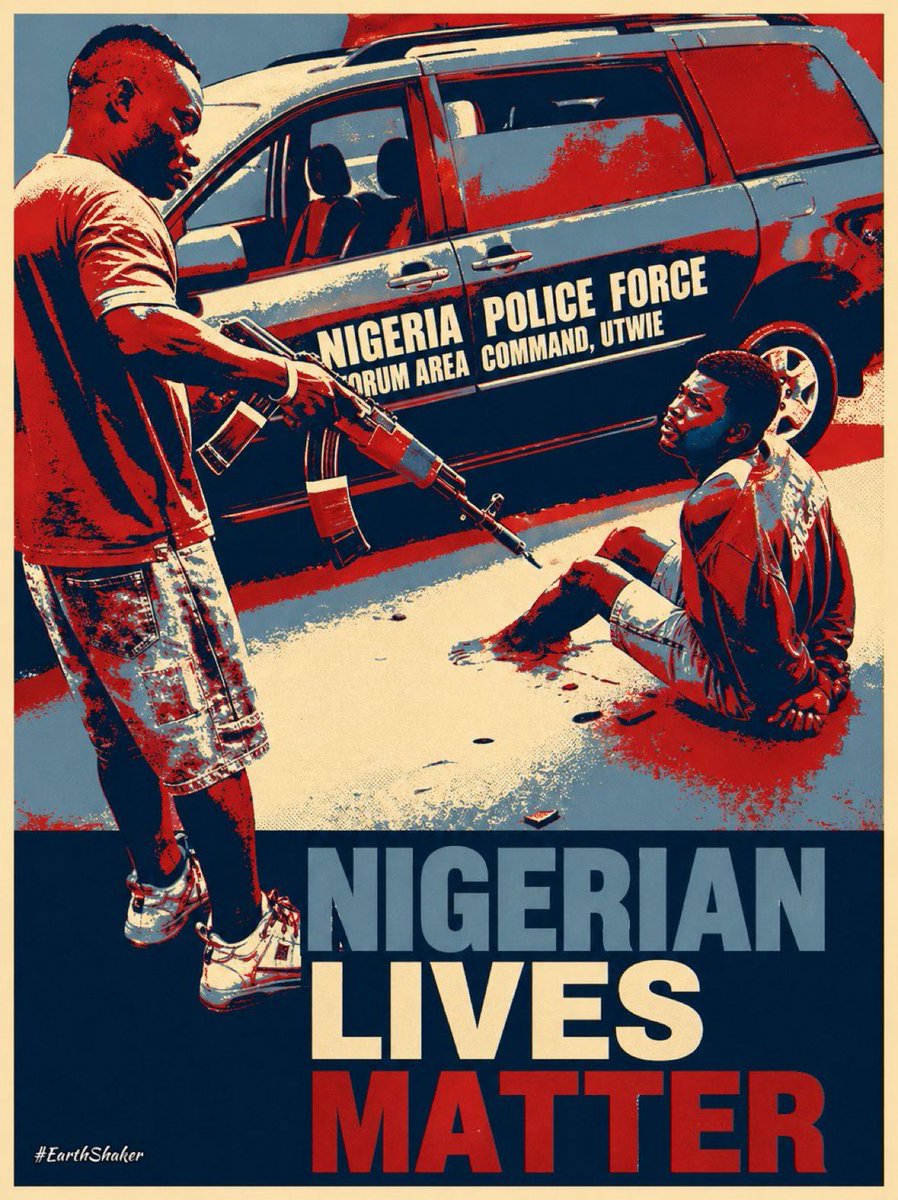
To understand the modern Nigerian Police Force, one must first understand its origins. The uncomfortable truth is that the institution was never created to protect ordinary Nigerians. It was established to protect the interests of those who ruled Nigeria, first the British colonial administration and later the Nigerian political elite that inherited the colonial state.

The Silence of Friday: How J.M. Coetzee Flipped the Script on Robinson Crusoe

In 1986, South African Nobel Laureate J.M. Coetzee looked at Crusoe’s island and saw something entirely different: the blueprint for colonial trauma.

When the Court Said “No” and the Military Said “Watch Me”: The Landmark Case of Emmanuel Olatunde Lakanmi v. Attorney-General (West) [1971] By Lawson Akhigbe

The Case of Lakanmi & Kikelomo Ola v. Attorney-General (West) & Others The post discusses a landmark Nigerian legal case, "Lakanmi & Kikelomo Ola v. Attorney-General (West) & Others," which highlights the tension between the judiciary and the military government in Nigeria. Background: Following the military coup of January 15, 1966, Nigeria was ruled by the Federal Military Government (FMG) which issued decrees and edicts without a proper court process. Lakanmi and others were seized of their assets under the Western State Assets Forfeiture Edict, which established a tribunal to investigate individuals and seize their assets. Judgment: The courts, remarkably, agreed with Lakanmi and others, and their challenge succeeded. The Supreme Court ruled in their favor again, laying down some of the most important constitutional principles in Nigerian legal history. Constitutional Principles Established: 1. Military Government Is Revolutionary, Not Sovereign: The Supreme Court made a distinction that the military did not govern by inherent sovereign authority. It came to power through revolution, an extra-legal, factual event, and therefore its authority was necessarily limited by the nature of its origin. The post emphasizes the courage and intellectual rigor of the judiciary in delivering a judgment that challenged the military government's authority. It also highlights the government's retroactive legislative action, which nullified the court's judgment and effectively told the judiciary that it would not be needed.

Spells vs. Supplications: How Language Decides Who is “Holy” and Who is “Voodoo”

Oba of Benin gathers his chiefs, raises a ceremonial staff, and recites a rhythmic Edo formula to combat insecurity within his domain, the Western-trained mind instinctively shifts its vocabulary. Suddenly, it’s not a prayer. It’s an incantation. It’s a spell. It’s juju. Why does one man commune with the divine while the other plays with magic? The difference isn't actually in the action; it’s in the vocabulary of power, race, and who owns the dictionary.