Silence is Golden (Especially When It’s About Your Land) by Lawson Akhigbe

In most functional societies, those quaint places where governments occasionally remember they exist to serve rather than to frustrate, when a citizen submits an application requiring official action, a few basic courtesies are observed. An acknowledgment. A request for missing documents if needed. Perhaps even a timeline, however optimistic. The machinery of state, however rusty, at least coughs to confirm it has received your papers.

Trump’s con-artist history by Lawson Akhigbe

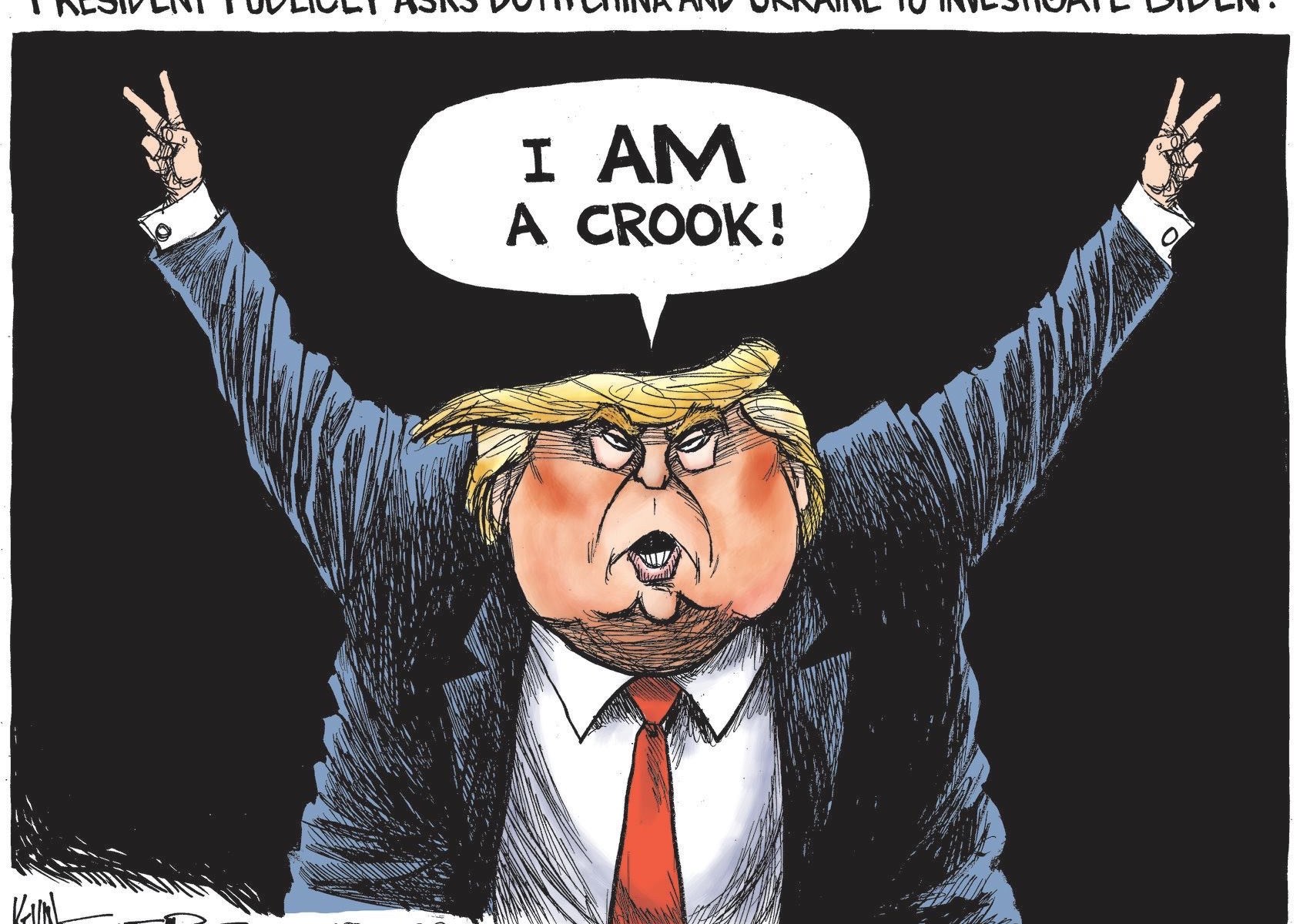
Trump’s business career has long been characterized as embodying “con-artist” tactics: aggressive promotion, leveraging his personal brand for high-margin or low-substance ventures, heavy debt leverage, selective truth-stretching in marketing, and frequent legal disputes.

Ponzi Loans and Politicians by Lawson Akhigbe

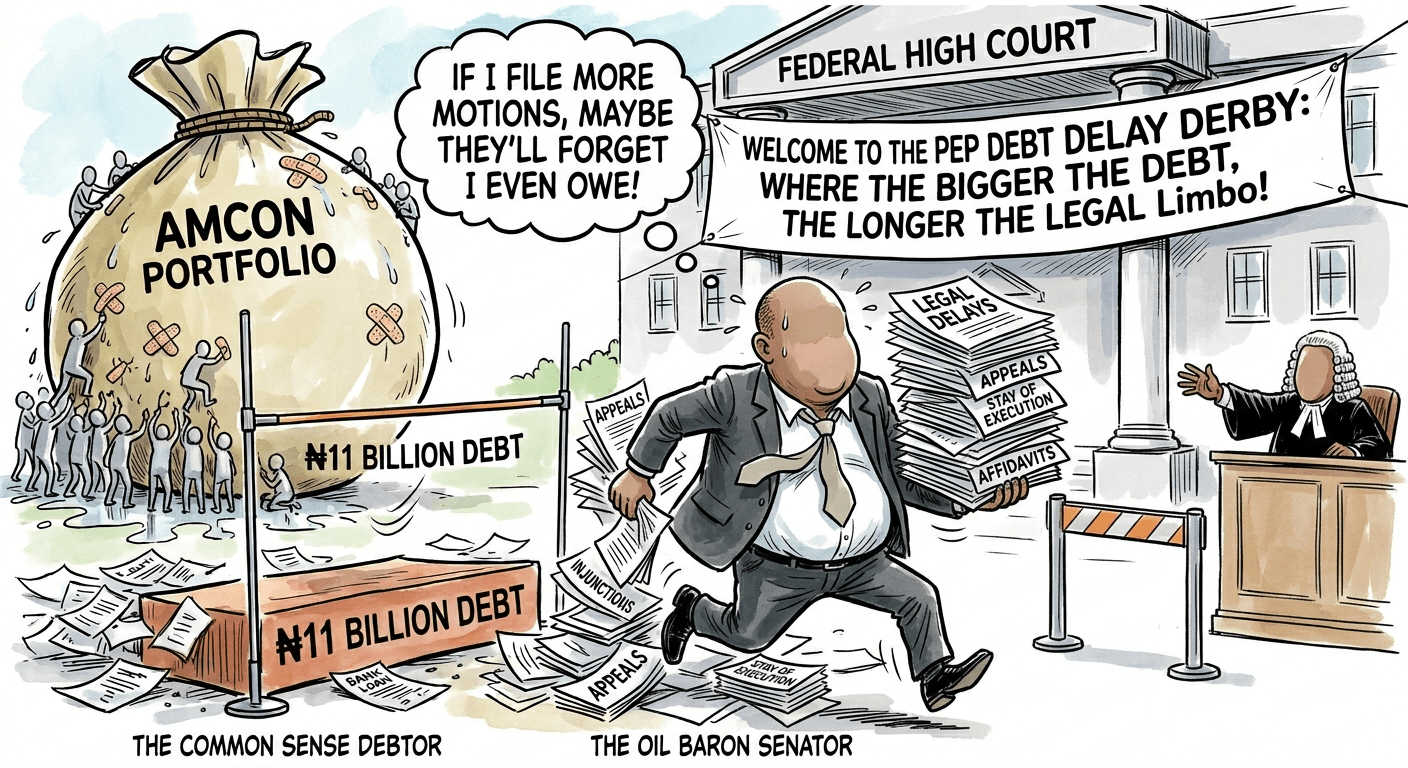
AMCON has repeatedly noted that a small number of high-profile obligors (often 300–400 individuals/entities) account for 70–80% of its outstanding portfolio (peaking around ₦4.5–5 trillion in various reports). Many of these involve politicians or their allied companies, where debts originated from pre-AMCON bank loans (e.g., Union Bank, Skye Bank facilities) that turned non-performing due to factors like margin lending, poor governance, or economic shocks.

Government by Vibes: Governor Okpebholo’s London Roadshow and the Cost of Governing Without Institutions by Lawson Akhigbe

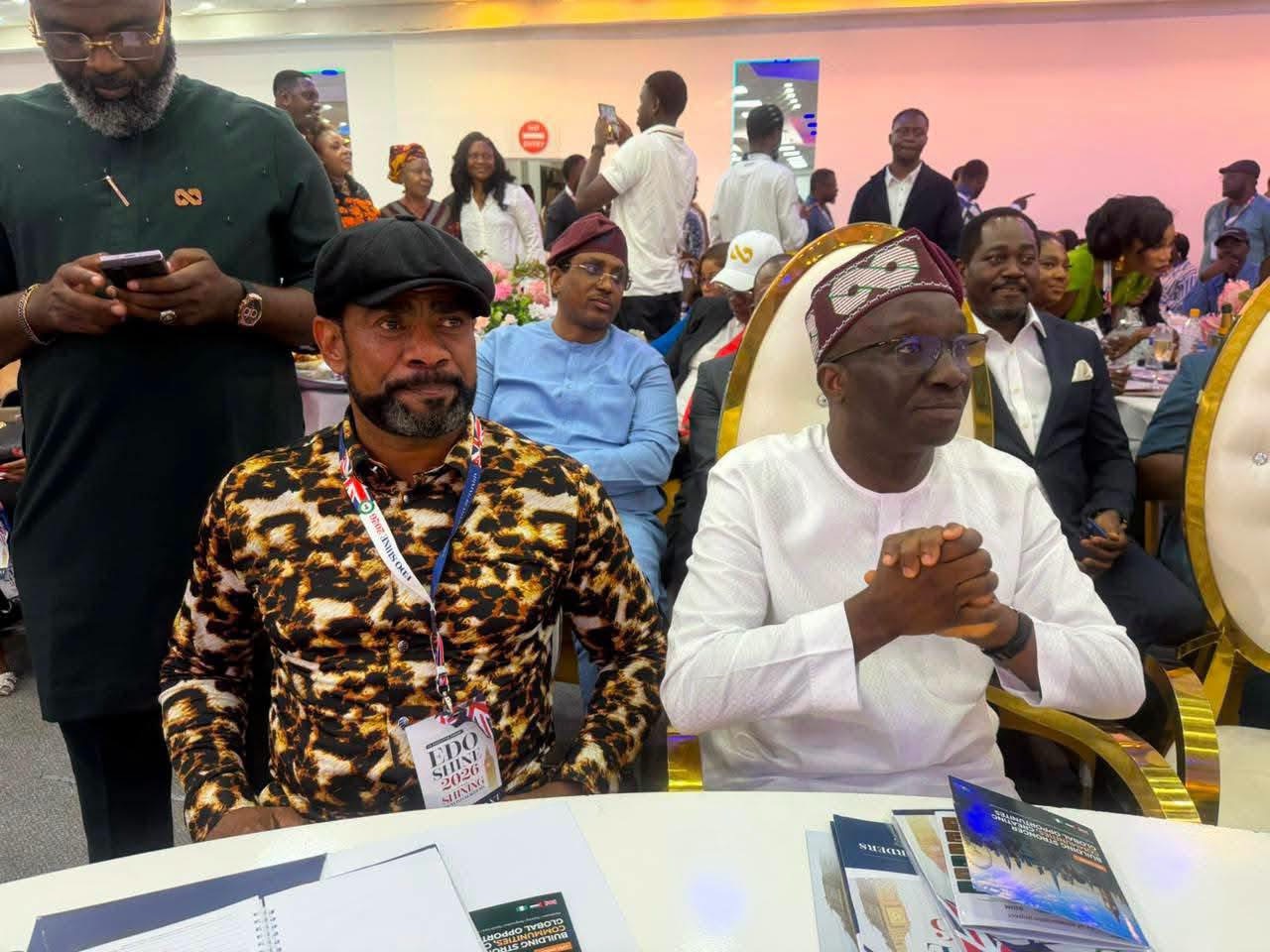
His administration, he argued, is practical rather than bureaucratic. It is interested in action, not process. The legacy programmes of his predecessor, Godwin Obaseki, have largely been dismantled. EdoBEST has gone. The Security Control Centre has gone. EdoGIS is going. Consultants have gone. Due process, one gathered, has become something to be viewed with suspicion rather than embraced as the machinery through which modern government functions.

Abacha-Era Corruption: A Deep Dive into Nigeria’s Most Notorious Kleptocracy (1993–1998) by Lawson Akhigbe

This was enabled by authoritarian control: no independent legislature or judiciary, weak oversight, and a patronage network treating public coffers as extensions of personal or regime power. International complicity—lax due diligence by banks—facilitated laundering through U.S. institutions and bond deals.