From Oba Drama to British Real Estate

For the next century Lagos was the prize: capital of the Colony and Protectorate, then of independent Nigeria until Abuja stole the crown in 1991. Herbert Macaulay turned it into the cradle of Nigerian nationalism. The Action Group under Awolowo made it the Western Region’s intellectual and political headquarters. Meanwhile the federal government and the regions fought over whether Lagos belonged to the West or to everyone. Spoiler: everyone wanted a piece of the port, the money, and the prestige.

The Art of the Unsolicited Ass-Kiss: Understanding Nigeria’s “Eye Service” Economy by Lawson Akhigbe

In the United States, corporate culture has a colorful vocabulary for the hyper-sycophant: the brown-noser, the bootlicker, the corporate shill. But in Nigeria, this behavior isn't just a personality trait of that one annoying guy in middle management. It is a highly sophisticated, deeply institutionalized standard operating procedure known colloquially as "Eye Service."

MC Oluomo’s Legacy

MC Oluomo, born Musiliu Ayinde Akinsanya on March 14, 1975, in Oshodi, Lagos, embodies a classic rags-to-riches narrative intertwined with the raw mechanics of street power, union politics, and partisan loyalty in Nigeria. His legacy is polarizing: celebrated by supporters as a self-made leader, philanthropist, and champion of transport workers, yet criticized by opponents as a symbol of thuggery, electoral intimidation, and impunity.

The Bulletproof SUV That Disappeared: What The Saraki / Customs Case Tells Ordinary Nigerians About Due Process by Lawson Akhigbe

What should have been a routine anti-smuggling enforcement - fake chassis number, alleged unpaid duty of N74 million on a vehicle valued at N298 million - turned into a full-blown constitutional crisis.

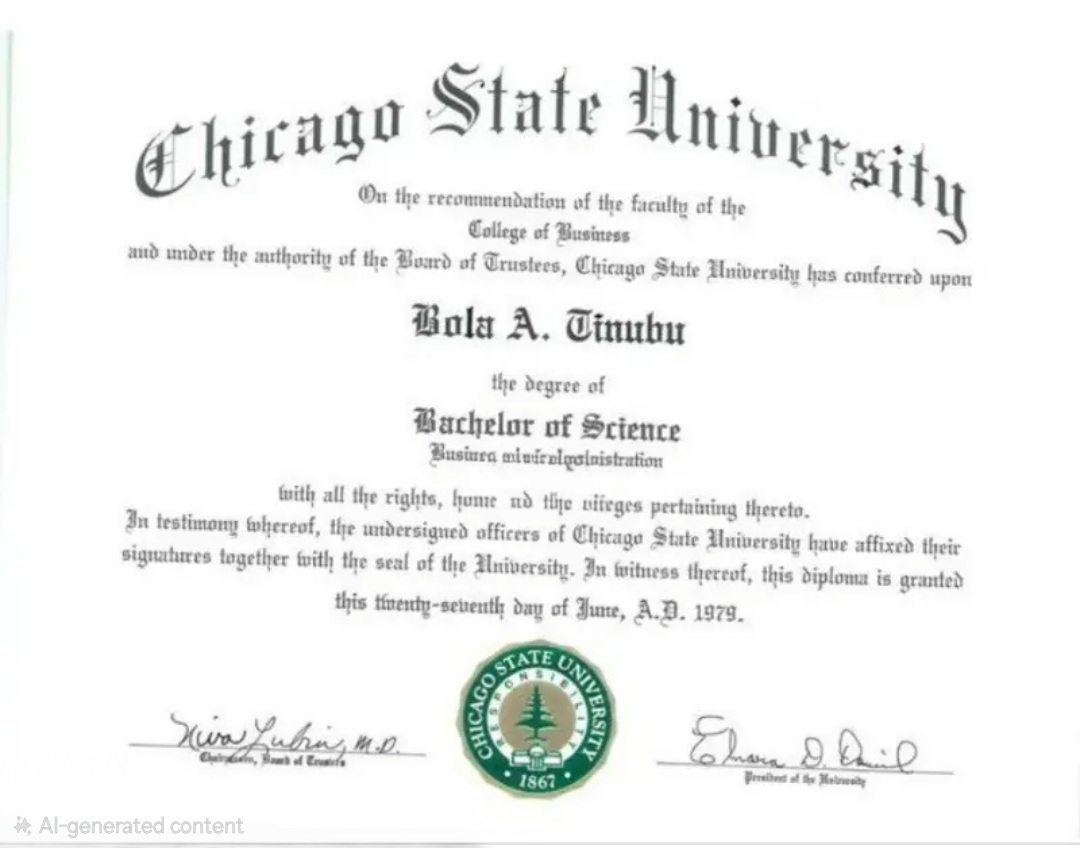
Tinubu’s Lagos Governance Tactics (1999–2007): The Laboratory for the “Lagos Model” by Lawson Akhigbe

These tactics blended fiscal innovation, technocratic recruitment, institutional reform, political networking, and strategic confrontation with the federal government. They created the so-called “Lagos Model”, a proof-of-concept for sub-national self-sufficiency that influenced his successors (Fashola, Ambode, Sanwo-Olu) and later his national approach.