NIGERIA has a disturbing habit of allowing those in power to treat constitutional restraints as inconveniences rather than obligations. Once again, the country is confronted with questions over presidential absence, constitutional compliance and the willingness of its institutions to hold the powerful to account.
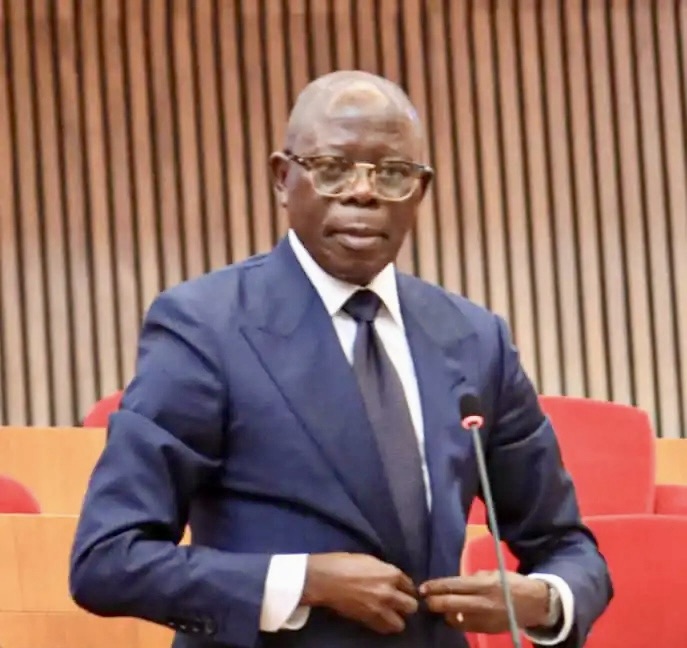
The Barrister Who Never Went to Law School: Adams Oshiomhole and the Art of Speaking from Both Sides of the Mouth by Lawson Akhigbe
Adams Oshiomhole is that rare Nigerian political specimen who managed to climb from factory floor to labour presidency, state house, party chairmanship and the red chamber without the inconvenience of a published higher educational attainment. Self-taught, they say. One imagines him in some dimly lit corner of history, devouring political manuals by candlelight while the rest of his compatriots were busy collecting certificates that later proved about as useful as a raincoat in the Sahara.
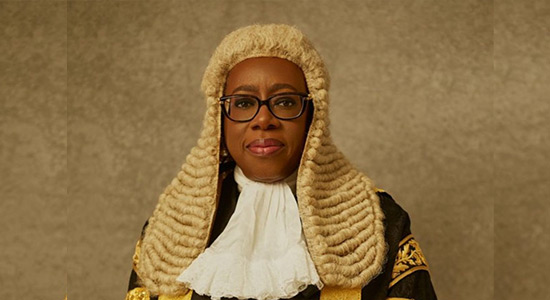
Nigeria’s judicial budget
Nigeria’s judicial budget is a complex, contentious issue at the intersection of constitutional design, fiscal federalism, political power dynamics, and the practical realities of justice delivery. While the 1999 Constitution (as amended) enshrines judicial independence including financial autonomy the implementation reveals deep gaps between legal provisions and on-ground realities.
The Mirage Government: How Nigeria Governs Without Knowing What It Knows by Lawson Akhigbe
It issues pronouncements, launches programmes, commissions projects, publishes budgets, announces reforms and produces an endless supply of political speeches. Ministers hold press conferences. Governors commission flyovers. Presidents announce ambitious economic transformations. Political parties publish manifestos promising a better Nigeria.
How Ghost Ships Emptied Nigeria’s Treasury (And Why You’re Still Paying the Fare in 2026)
You think petrol became expensive in 2026? Cute. It actually became expensive the day Nigeria’s political class realised they could sell you empty air, stamp a piece of paper “premium motor spirit,” and cash the cheque at the Central Bank. The most elegant example remains the MT Emerald.