


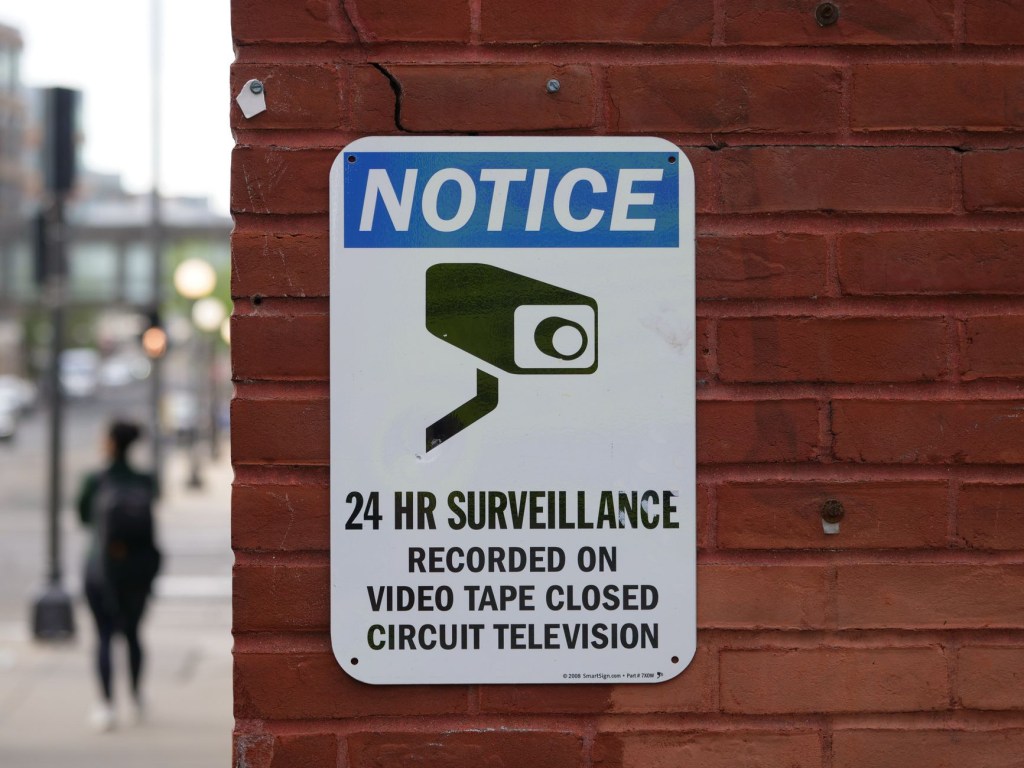
In the sun-baked markets of Benin City, where the aroma of pepper soup battles the stench of insecurity, the Edo State Government has delivered its latest masterstroke in the war on crime. Noah Idemudia, spokesperson for the Edo State Security Squad, grandly codenamed Operation Flush Out Kidnappers and Cultism, has informed the world that all business owners must install functional CCTV cameras. Restaurants, supermarkets, pharmacies, those little corner shops selling pure water and dreams, everyone gets to play deputy surveillance officer by the end of July. Enforcement kicks off August 1st, because nothing says “public safety” like a one-month ultimatum.
Governor Monday Okpebholo’s administration insists this is vital. After all, in a state where kidnappers treat vegetable markets like their personal ATMs, who better to foot the bill for Big Brother’s eyes than the struggling trader trying to sell tomatoes? Footage, they promise, will be gold for police investigations. Never mind that the directive arrived via press briefing, like a divine oracle from the lips of the Security Squad. No written document. No citation of specific statutory authority. No details on scope, penalties, or exactly how enforcement will work without descending into the usual selective harassment. Just vibes and verbal thunder. Classic Nigerian governance: “Do as we say, or else… something.”
The Constitutional Magic Trick
If you press them on the “on what basis?” question, they’ll likely wave Section 14(2)(b) of the 1999 Constitution like a juju charm: the security and welfare of the people shall be the primary purpose of government. Beautiful words. Lofty. Non-justiciable in large parts, but perfect for outsourcing. The state isn’t building a robust policing apparatus or flooding streets with officers. No. It’s privatising public safety with the enthusiasm of a telecom company selling data bundles.
Your shop is now an extension of the state’s security infrastructure. Congratulations! You’ve been promoted from entrepreneur to unpaid auxiliary detective. Pay for the cameras, the electricity (when NEPA remembers you exist), the cloud storage or DVRs, the maintenance, and the inevitable technician who speaks only in riddles. All so the government can claim progress while the actual primary purpose of government remains… whatever it was doing before this.
This isn’t new. Nigerian governments adore this genre of directive. No public consultation. No town halls to seek buy-in. No soft loans, grants, tax rebates, or subsidies for small businesses already gasping under inflation, multiple taxation, and fuel costs. Just “install or face the music.” Infrastructure? Please. In a country where steady power is treated like a luxury import, we’re mandating CCTV systems that need reliable electricity and data storage. It’s like ordering everyone to buy private jets while the runway is flooded.
Remember the recent kidnapping at the vegetable market in Benin City? Tragic, and exactly the sort of incident where footage could help. But turning every business into a mini monitoring station doesn’t magically fix systemic failures in policing, intelligence, or prosecution. It just shifts the cost and responsibility downward from those with security votes to those selling garri.
The Satirical Beauty of It All
Picture the scene in August: A harassed supermarket owner, having sunk precious capital into cameras, watches as light goes off for the third time that week. “But we complied!” he wails, while the Squad nods approvingly at the blank screens. Elsewhere, a pharmacist debates whether pointing a camera at the street violates privacy rules under the Nigeria Data Protection Act. The government? Already drafting press releases about “enhanced security architecture.”
This is privatisation at its most poetic. The state keeps the monopoly on legitimate violence but offloads the tools of prevention to the private sector. No attempt to ease the financial burden. No robust framework for data sharing between businesses and security agencies. Just another levy disguised as patriotism. Edo isn’t alone other states have flirted with similar ideas but the sheer casualness here takes the akara.
Business owners deserve better than being conscripted into this half-baked surveillance utopia. A proper law, passed by the House of Assembly, with clear guidelines, incentives, privacy safeguards, and government support would be one thing. A verbal decree with a ticking clock? That’s not policy; that’s panic with better branding.
In the end, Edo’s traders will likely comply because what choice do they have in the land where “primary purpose of government” increasingly means “primary purpose of your pocket”? The rest of us will watch, cameras rolling (when the power allows), as another chapter in Nigeria’s long-running tragicomedy unfolds. Pass the popcorn. Or better yet, install CCTV to record who ate it.


One Reply to “”