

There are moments in a nation’s life when constitutional theory leaves the lecture hall and takes to the streets usually on cardboard, written in thick marker, and carried by people who are not remotely impressed by Latin maxims. One such moment in Britain came with a deceptively simple question:
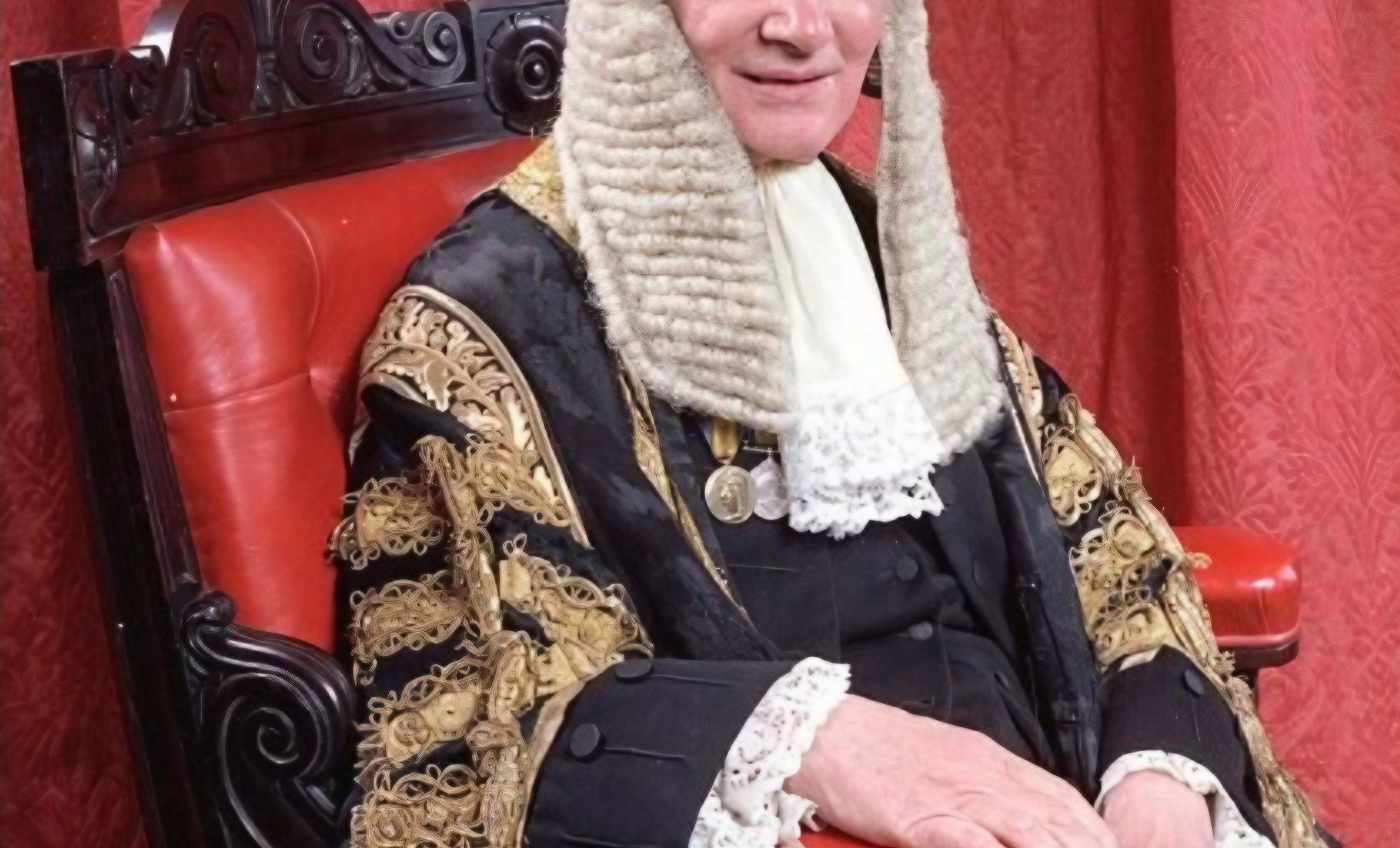
“Who voted for Lord Denning?”
At first glance, it looks like a heckle. In reality, it was a constitutional argument distilled into protest form short, sharp, and impossible to ignore.
The Case That Lit the Fuse
The slogan gained prominence in the aftermath of the Birmingham pub bombings and the subsequent conviction of six Irish men the now infamous Birmingham Six. Their case quickly became a lightning rod for allegations of coerced confessions, police misconduct, and a justice system more interested in closure than correctness.
When attempts were made to challenge the convictions, Lord Denning one of the most celebrated judges of his era effectively shut the door. In refusing to allow a civil action that would have scrutinised the case, he made remarks that, to put it politely, prioritised the reputation of the system over the possibility that the system had got it catastrophically wrong.
To critics, this was not just a legal decision. It was a signal: the establishment would protect itself, even at the cost of justice.
The Placard as Constitutional Law
Enter the protesters, armed not with wigs or precedents, but with a devastatingly simple question: who exactly authorised this man to make decisions of such consequence?
The point was not that judges should stand for election this is Britain, not a reality TV show. The point was about accountability. Here was an unelected figure, wielding immense power, making pronouncements that appeared to close ranks around the state at a time when the state itself stood accused of wrongdoing.
The placard was not anti-law. It was anti-immunity.
Thatcher’s Britain: Not Exactly a Trust-Building Exercise
This did not occur in a vacuum. The political climate of the time was, shall we say, not brimming with consensus and goodwill.
The Thatcher government was pursuing a hard-edged vision of authority robust policing, aggressive anti-terror measures, and a general preference for order over dissent. For many, especially within Irish communities in Britain, trust in state institutions was already fragile.
Add to that a series of high-profile confrontations industrial disputes, civil unrest, and an expanding sense that power was being exercised with minimal restraint and you have the perfect conditions for a constitutional question to become a protest chant.
In that environment, Denning’s stance was not seen as neutral adjudication. It was read as alignment.
The Real Issue: Legitimacy vs Authority
The British constitutional model rests on a quiet understanding: judges are not elected, but they are legitimate because they apply the law impartially. Their authority derives not from ballots, but from trust.
The problem arises when that trust is strained.
When judicial decisions appear to shield the state from scrutiny rather than hold it to account, the public begins to ask awkward questions. Not about the existence of judicial power, but about its use. Not about whether judges should exist, but whether they are, in that moment, serving justice or preserving appearances.
Hence the genius of the slogan. It did not demand a constitutional rewrite. It simply exposed a tension:
If you are going to exercise power like a political actor, do not be surprised when people ask political questions.
The Inevitable Reckoning
History, as it often does, delivered its own verdict. The convictions of the Birmingham Six were eventually quashed. What had been dismissed as disruptive agitation turned out to be entirely justified concern.
The episode left a lasting scar on the British justice system, prompting reforms and a more cautious approach to police evidence and appeals. But it also left behind something less tangible and more enduring: a reminder that legitimacy, once dented, is not easily restored.
A Question That Refuses to Retire
“Who voted for Lord Denning?” was never really about Lord Denning. It was about the architecture of power in a democratic society who holds it, how they use it, and what happens when those at the receiving end feel that power has slipped its leash.
It is the kind of question that does not age. It simply waits for its next outing.
And when it returns, it will likely be written on cardboard again.
 Centre for Nigeria Progress