


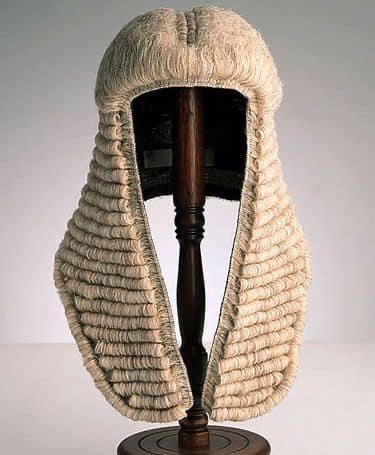
There is a peculiarly Nigerian brand of optimism that believes the Supreme Court exists to do the dirty work politicians were too distracted to handle during campaign season. Whenever an election outcome tastes like ash, the losing side inevitably sprints to the appellate bench clutching heavy binders, confident that the judiciary will casually unravel an entire presidential mandate on a crisp technicality.
It makes for dramatic television, but it makes for dreadful jurisprudence.
Take the endless legal turbulence surrounding Bola Ahmed Tinubu. For months, opposition war rooms have convinced their followers that an open-and-shut criminal verdict is just around the corner. But the foundational premise of criminal law is ruthlessly stubborn: you cannot casually accuse Abubukar Atiku or Peter Obi of being a killer and then demand he produce an alibi to prove his innocence. That is not the rule of law; that is trial by mob hysteria, where an allegation is treated as self-authenticating until debunked.
The certificates debate hits an equally mundane legal wall. The constitutional minimum qualification to run for the highest office in the land is a remarkably low bar, secondary school leaving certificate level, or its recognized equivalent. A verified university degree comfortably clears that hurdle, regardless of how messy the paper trail looks on social media. More inconveniently for the legal purists, the current Electoral Act does not automatically vaporize a candidate’s eligibility simply because disputed documents were tendered to INEC.
Here is the bitterest pill for the opposition to swallow: PDP, ADC and other opposition legislators sat comfortably in the National Assembly while that very Electoral Act was debated, refined, and signed into law. They were in the room. They voted on the clauses. They collected their allowances and slept soundly on their legislative oversight. To now demand that the courts invent retroactive disqualification mechanisms out of thin air is an exercise in buyer’s remorse. You surrendered the legal right at the drafting table, and begging the public square to override the statute book changes nothing about the black-letter law.
This does not mean the conversation is over; it simply means it is taking place in the wrong venue.
Stop confusing legal criminality with political suitability. A man can be entirely immune from judicial sanction while remaining completely unsuitable for the presidency under your political doctrine. That is the only viable path forward: the political case.
Instead of chasing a judicial disqualification that statutory law refuses to grant, build the argument around the moral and political litmus test:
- The Transparency Deficit: If the legal bar is low, the ethical bar for leadership should be astronomical. A candidate whose academic provenance requires an armada of Senior Advocates of Nigeria to explain away may not belong behind bars, but you can argue they do not belong behind the Aso Rock Presidential Desk either.
- The Litmus Test: Politics is the art of persuasion, not litigation. If a candidate fails your party’s standard of unassailable character, consistency, and institutional clarity, take that failure directly to the electorate.
- The Accountability of Power: A leader who relies on technicalities to dodge public scrutiny sets a precedent for how they will govern.
The courts adjudicate legality, not integrity. When you try to turn a political grievance into a criminal charge, you inevitably lose in the courtroom and look inept on the streets. If you believe Tinubu failed the standard of leadership, argue the standard. Demand that voters judge him not on whether his filings were technically permissible by law, but on whether his conduct aligns with the governance Nigeria deserves.
Pack away the wigs, close the affidavits, and take the argument to the ballot box where it belonged from the beginning.
 Centre for Nigeria Progress