Who is Femi Gbajabiamila and what makes him thick. His legal and political career.
THE PRESSURE VALVE REPUBLIC: How South Africa’s Political Class Manufactures a Crisis to Conceal the One It Already Made By Lawson Akhigbe
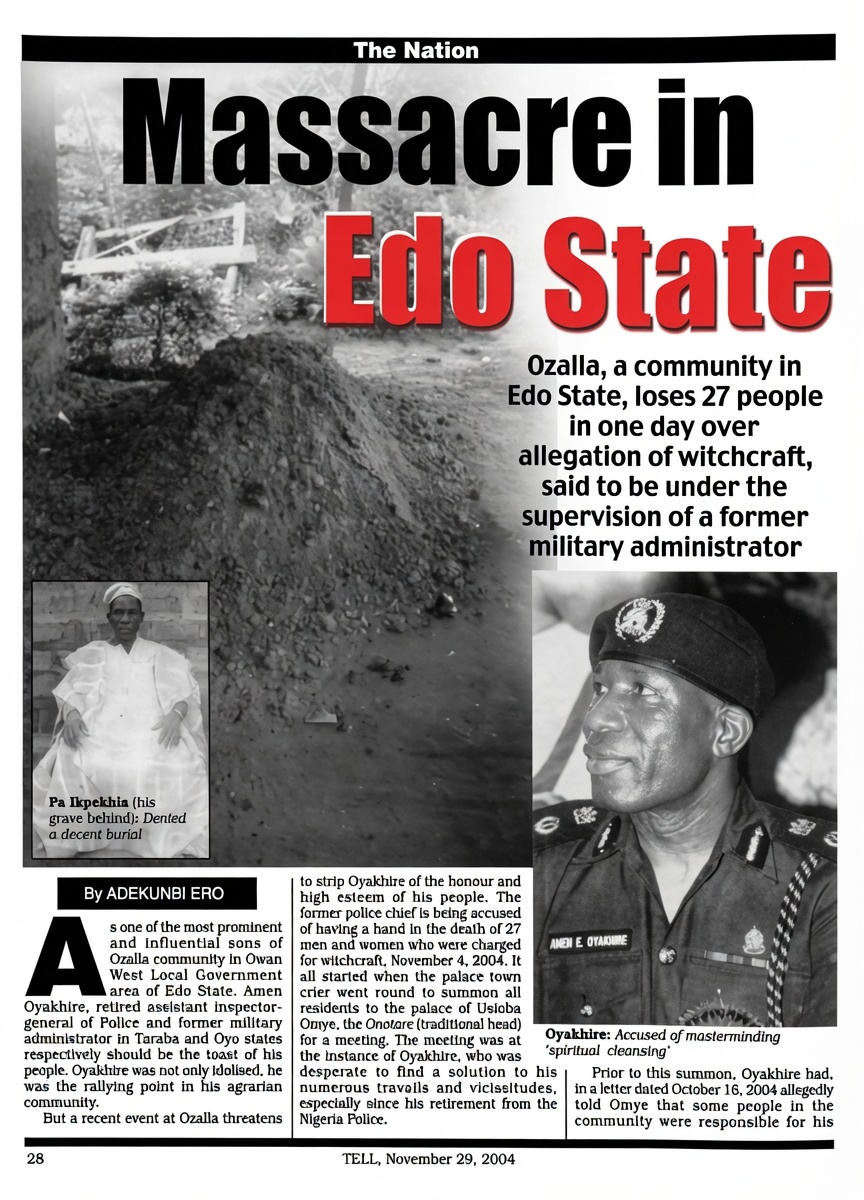
Jacob Zuma, a former South African President, is being blamed for South Africa's economic downfall. A mob in Durban, South Africa, has protested against Zuma, accusing him of corruption. The Zondo Commission, established in 2018, investigated allegations of state capture, corruption, and fraud in the public sector. The commission found that Eskom, a state-owned energy company, entered into irregular contracts worth R14.7 billion with entities linked to the Gupta family, Zuma's friends. This led to the diversion of Eskom's assets to the Guptas' financial advantage. The commission also found that key loyalists to Zuma and his party were placed in top positions at state-owned enterprises and law enforcement, while competent, honest officials were marginalised or fired. The result was the erosion of critical infrastructural enterprises like Eskom, Transnet, Prasa, and South African Airways. Institutional decay led to a loss of experienced human capital, decline in services, unreliable electricity and water supply, erratic revenue collection, and the decline of local governments. President Ramaphosa estimates that more than R500 billion was stolen during his predecessor's administration.
Lifusprudence: An introduction to a judicial hitman By Chidi Anselm Odinkalu
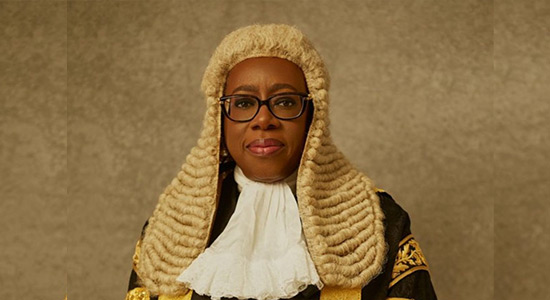
Lifusprudence: An Introduction to a Judicial Hitman” by Chidi Anselm Odinkalu introduces “Lifusprudence” as the controversial judicial brand of Justice Peter Lifu of Nigeria’s Federal High Court. It contrasts Lifu’s predictable, politically aligned rulings — often accused of disregarding constitutional guardrails, ignoring higher court orders, and inventing convenient interpretations (e.g., the recent political parties de-registration case) — with the legacy of Nigeria’s illustrious judges. The piece portrays Lifu as a dependable “judicial hitman” for ruling party interests, framing his style as a dangerous form of clientelism masquerading as law, especially ahead of elections.
The Republic of Impunity: How Nigeria Rewards Rule-Breakers and Punishes Accountability By Lawson Akhigbe
Nigeria's culture of impunity, where laws are treated as optional and accountability is viewed as unnecessary, is a significant obstacle to its development. Despite a conviction by the Supreme Court in 1997 for a serious criminal offence, Bello Magaji was never imprisoned. He was instead pardoned by President Goodluck Jonathan and later appointed as Dean of the Faculty of Law at the American University of Nigeria. This case highlights the arbitrary nature of the legal system in Nigeria, where convictions are often disregarded and individuals with criminal records can rise to high positions.
Law Practice and the Rule of Law in Nigeria: A Mirror of Its Society by Lawson Akhigbe
If you want to understand why Nigeria’s law practice struggles to find solid ground, you don’t need a commission of inquiry — just attend a random court session. There, you’ll see the Nigerian lawyer in full regalia: a powdered wig, a trembling robe, and an irresistible urge to speak Latin in a country where half …