The difference between the United Kingdom and Nigeria is not primarily in the letter of the law. It is in the general application and consistent enforcement of that law. This divergence reveals a deeper reality about how the Nigerian state relates to its citizens.
The Inquisitor’s Gavel: Oshiomhole, MOWAA, and the High Cost of Political Spite by Lawson Akhigbe
Central to the indictment was the breathless lamentation over the demolition of the old Benin Central Hospital. Listening to the rhetoric, one would assume the facility was a pristine sanctuary of modern medicine arbitrarily flattened to make way for art.
From Oba Drama to British Real Estate
For the next century Lagos was the prize: capital of the Colony and Protectorate, then of independent Nigeria until Abuja stole the crown in 1991. Herbert Macaulay turned it into the cradle of Nigerian nationalism. The Action Group under Awolowo made it the Western Region’s intellectual and political headquarters. Meanwhile the federal government and the regions fought over whether Lagos belonged to the West or to everyone. Spoiler: everyone wanted a piece of the port, the money, and the prestige.
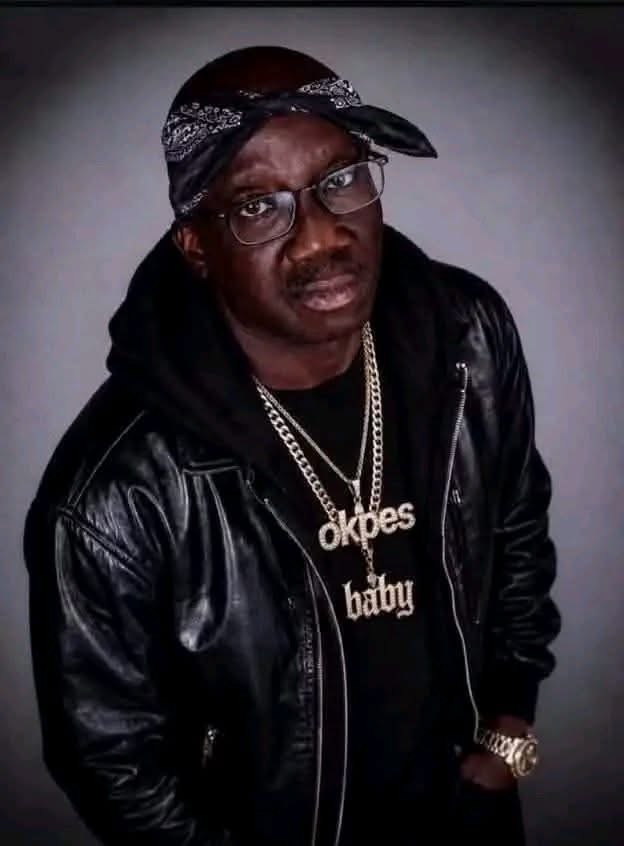
On the Sartorial Decline of the Nigerian Political Class: Monday Okpebholo, Yekini Idiaye, and the Wardrobe of Impunity By Lawson Akhigbe
Governor Monday Okpebholo of Edo State is a man who, on the evidence of a recent photograph shaking hands with new Speaker of the Edo State House of Assembly Yekini Idiaye, appears to have mistaken the office of Chief Executive for a weekend errand run. A branded baseball cap. Clothing better suited to a beer parlour than a state formal meeting. Khaki trousers that suggest safari rather than sovereignty. This is not a man dressing down to meet the people. This is a man dressing as though the people are an inconvenience he is squeezing in between other appointments.
Kemi Badenoch’s maiden speech in the Commons
I am also burdened by the weight of expectation. You see, Madam Deputy Speaker, Saffron Walden has not had a maiden speech since Rab Butler’s in 1929. He held three of the great offices of state, but I am most proud that, as a Conservative Minister, he introduced the Education Act 1944, which gave every British child a statutory right to free secondary education.