Abacha-Era Corruption: A Deep Dive into Nigeria’s Most Notorious Kleptocracy (1993–1998) by Lawson Akhigbe

This was enabled by authoritarian control: no independent legislature or judiciary, weak oversight, and a patronage network treating public coffers as extensions of personal or regime power. International complicity—lax due diligence by banks—facilitated laundering through U.S. institutions and bond deals.

Pius Okigbo Panel Report 2: The Sequel Nobody Asked For By Lawson Akhigbe

There are two kinds of students in life. The first studies history in order not to repeat the mistakes of the past. The second studies history carefully, identifies where the money was hidden, and repeats the exercise with greater efficiency.

The Graveyard of Ideas: Why Nigeria’s Un-Gazetted Reports Carry Our Future by Lawson Akhigbe

There is a specific, quiet corner in Abuja where Nigeria’s most brilliant ideas go to die. It isn’t marked by a monument, but by dust. It is the graveyard of panels, commissions, and committees a place where billions of Naira and thousands of hours of expert labor are neatly bound into volumes, submitted in front of flashing cameras, and promptly forgotten.

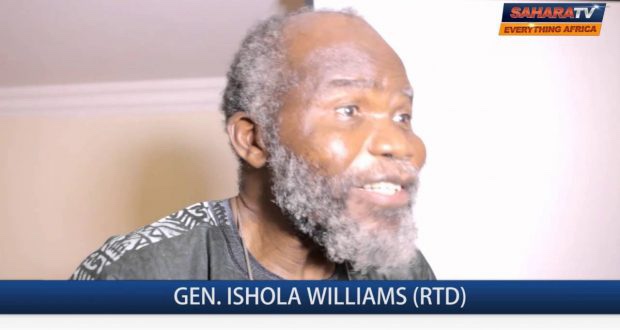
Nigeria’s “Poorest General” and the Cost of Elite Corruption

In 1993, during the dark days following the military takeover that brought Sani Abacha to power, one Nigerian Army officer took an unusual step. Instead of consolidating his position within the new regime, he walked away.

The Eternal Quartermaster By Lawson Akhigbe

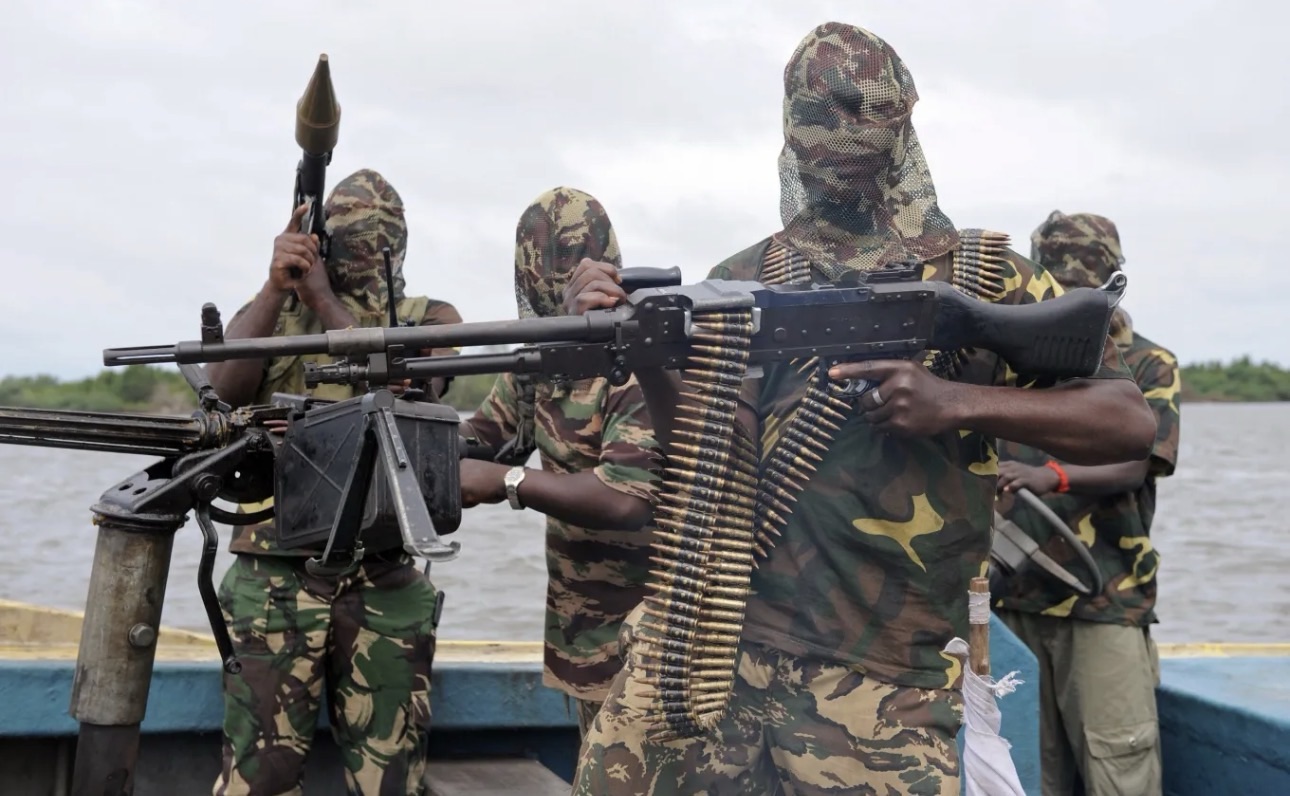
Nigeria's army has been described as mighty on paper many of its soldiers 'ghosts' who exist only on the payroll, much of its equipment stolen and sold to insurgents."The Economist, October 2021