

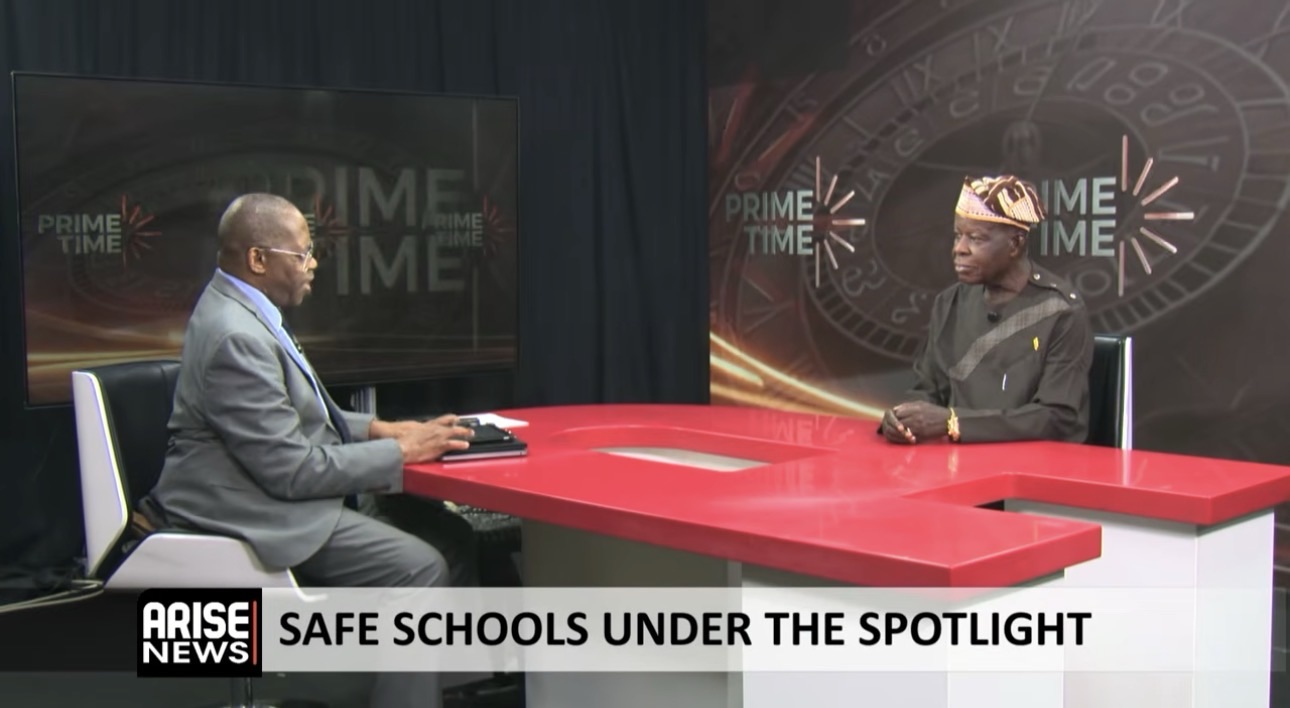
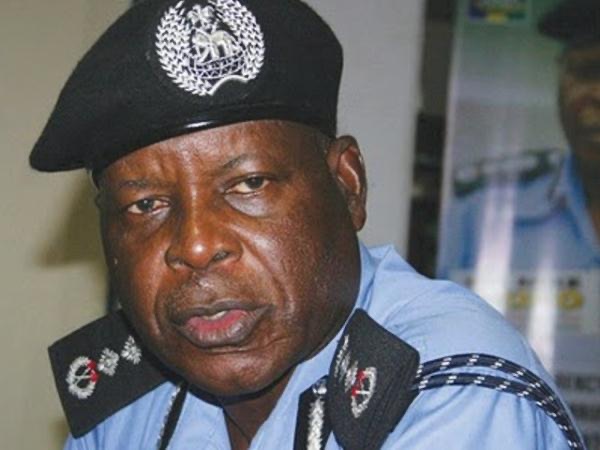
If you want a masterclass in the terrifying art of governance-by-vibes, look no further than Arise News’ recent interview with Nigeria’s former Inspector General of Police, Mike Okiro.
The backdrop of the interview was heavy: a massive Senate investigation into the “Safe Schools Initiative,” a program conceptualized to protect students after the harrowing 2014 Chibok girls tragedy. We are talking about tracking billions of naira and over $30 million in donor funding. It’s the kind of high-stakes scrutiny that should make any public servant sweat through their starch-pressed Agbada.
Instead, Mr. Okiro gave us a masterclass in the legendary Nigerian Bureaucratic Shrug.
“Who Told You?” “The Ministry.”
Watching the interview, one couldn’t help but notice a glaring, tragicomically familiar trend. When asked why a massive security policy he pioneered had completely fizzled out into the ether, the former top cop casually stated that he was simply told there was “no money.”
When pressed by the anchor, “Who told you?” Okiro responded with a straight face: “The Ministry.”
The Ministry. Not a person. Not an honorable minister, a permanent secretary, or even a rogue director of finance. Just “The Ministry” as if the Ministry of Education is a sentient, brick-and-mortar ghost floating down the corridors of Abuja, whispering financial bad news to passing retired generals.
This is the peak of our public service culture: a universe where massive national failures are blamed on abstract nouns. No names, no receipts, just vibes and structural amnesia.
The Passive Disinterest of the Elite
What makes the interview truly painful and frankly, a bit horrifying is the lack of follow-up and basic curiosity. Here is a man who was once given the supreme charge of policing an entire nation. Yet, his posture toward a multi-billion naira initiative he helped draft was basically: “They didn’t give me the money, so I went home.”
As soon as it became clear that the funds he expected were not coming his way, he checked out. He didn’t follow up. He didn’t scream from the rooftops. He didn’t lock down an office until he got an answer. He just rolled up his papers and let the project sleep until the next tragedy struck.
Our public officials turn up to interviews completely unprepared because they have never actually experienced the terrifying sensation of being held accountable. They aren’t used to an cross-examiner who expects details, dates, and names. They operate under the assumption that a grand presentation and a few buzzwords are enough to satisfy the public.
The Tragedy of Accountability-by-Gossip
When asked point-blank about the missing billions currently under Senate scrutiny, the former IGP shrugged it off, claiming he was completely “screened out” as soon as real money entered the equation. “Behind me, they didn’t… maybe because money was involved, they screened me out, I didn’t know.”
It would be funny if it wasn’t so tragic. It means our security infrastructure operates like a school group project where the smartest kid gets kicked out of the WhatsApp group the moment the funding arrives.
This interview is a perfect diagnostic scan of Nigerian governance. It reveals a system where officials treat national crises as minor bureaucratic inconveniences. If the money flows, great. If it disappears into “The Ministry,” well… God dey.
Until we have leaders who are terrified of turning up to a microphone without their receipts, “The Ministry” will keep swallowing billions, and the public will keep paying the price.

