


You think petrol became expensive in 2026? Cute. It actually became expensive the day Nigeria’s political class realised they could sell you empty air, stamp a piece of paper “premium motor spirit,” and cash the cheque at the Central Bank. The most elegant example remains the MT Emerald.
On 13 January 2011 the ship’s handlers presented a beautiful set of documents: bill of lading, navy clearance, harbour-master signature, the full theatrical package. They claimed the vessel had just docked in Lagos and pumped 15,000 metric tons of petrol into Nigerian tanks. The Central Bank dutifully paid the importer ₦1.5 billion. One small detail spoiled the magic: at the precise moment the paperwork swore the ship was discharging in Lagos, satellite data showed it sitting quietly 3,000 miles away in the freezing waters of Rotterdam. The ship did not exist. The fuel did not exist. The ₦1.5 billion, however, was very real.
That single ghost delivery was not an isolated prank. It was the business model.
The Business of Rot, by Design
Nigeria is Africa’s largest oil producer and somehow still imports almost all its refined petrol. The four state-owned refineries in Port Harcourt, Warri and Kaduna have been left to decay with the care of a family heirloom nobody wants. This is not incompetence. Insulting their intelligence would be rude. It is a brilliant business plan. Working refineries would kill the import contracts. No import contracts means no subsidy claims. No subsidy claims means the boys go hungry. Therefore the refineries must never work. Simple.
Because the refineries were (and largely remain) dead, government invented a subsidy system that looked charitable on paper. Importers bought petrol in Europe for roughly ₦140 a litre, sold it to Nigerians at the fixed pump price of ₦65, and collected the difference from the state. On paper it protected the poor. In practice the government was no longer paying for fuel. It was paying for pieces of paper.
Cybercafé Billionaires and the Art of Round-Tripping
The agency meant to police the papers, the Petroleum Products Pricing Regulatory Agency (PPPRA), performed a quiet miracle under the Jonathan administration. In 2006 only five major companies held import licences. By 2011 the number had swollen to 128. Construction firms suddenly discovered a passion for petrol. Furniture companies developed maritime expertise overnight. Companies registered three days earlier collected multi-billion-naira allocations. All you needed was a cybercafé, a printer, and a friend with a stamp.
Their favourite magic trick was round-tripping. Picture a taxi driver in Abuja who gets paid ₦10,000 every time he ferries a passenger from the airport. He drops the passenger, drives around the corner, changes his shirt, sticks a fake beard on the same passenger, and claims a brand-new trip. The fuel importers did exactly that on the Atlantic. A ship discharges in Lagos, collects the subsidy, sails out, switches off its tracker, waits a few days, changes the paperwork, sails back in and presents the identical cargo as a fresh delivery. One shipment collected subsidy three, four, sometimes five times.
When the Numbers Stopped Pretending
In 2011 the National Assembly approved ₦245 billion for subsidy payments. By December the government had spent ₦2.6 trillion, more than ten times the budgeted amount. Central Bank Governor Sanusi Lamido Sanusi looked at the ledgers and asked the only question that mattered: how did Nigeria’s population stay the same, the number of cars stay the same, yet daily fuel consumption magically double in twelve months? Were Nigerians drinking petrol for breakfast? The answer was simpler. The country was not consuming the fuel. It was consuming the fraud.
Hospitals went without equipment. Schools went without roofs. The money that should have funded them had been transferred to invisible ships.
Occupy Nigeria and the Hollywood Distraction
In January 2012 Nigerians finally took to the streets. Occupy Nigeria shut down Lagos, Abuja and Kano. Under public pressure the House of Representatives set up a probe committee chaired by Farouk Lawan, then widely known as “Mr Integrity.” The committee found that fifteen importers had collected billions without delivering a single drop of fuel. It demanded the immediate refund of ₦1.7 trillion. For a brief, dangerous moment it looked as if the bad guys might actually pay.
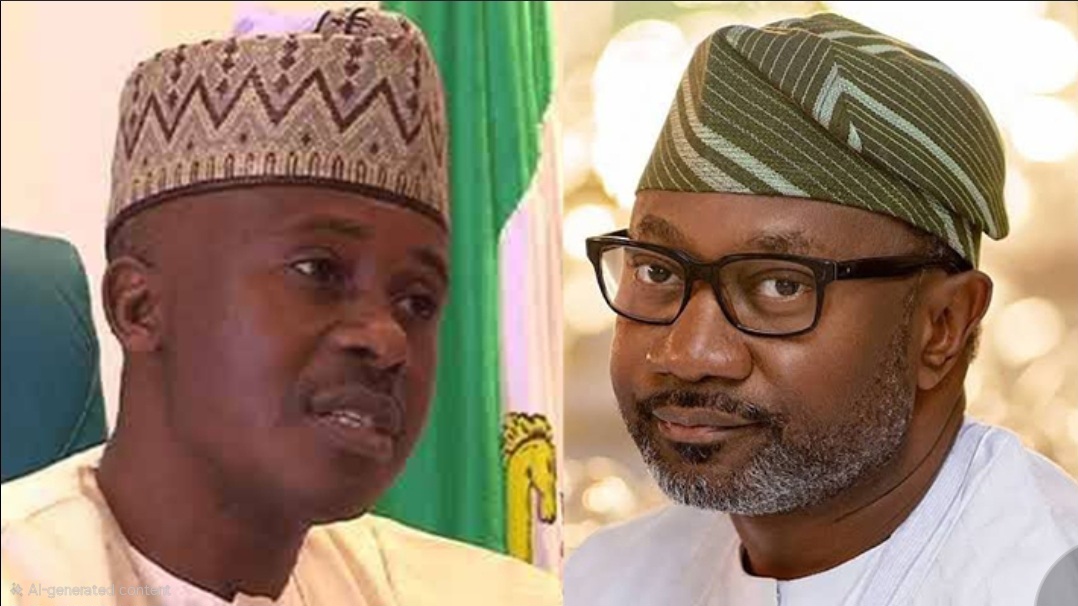
Then the cabal staged its masterstroke. Lawan was caught on camera accepting $620,000 from billionaire Femi Otedola as part of a larger alleged $3 million arrangement to scrub certain names from the indictment list. The video of the transaction did more to kill accountability than any official denial ever could. The investigation that was supposed to recover stolen funds instead became a national soap opera about the investigator’s own pockets. The push for recovery effectively died.
The Final Verdict, Paid Daily
The fuel subsidy was never merely a failed economic policy. It was a wealth-extraction machine deliberately designed to move public money into private hands with industrial efficiency. When the subsidy was finally removed in May 2023, the historical bill for years of creative accounting landed on ordinary citizens. Pump prices soared. Transport fares climbed. The architects of the original scam largely retained their comfort, their contracts, and their carefully cultivated silence.
So the next time you buy a litre of petrol at whatever eye-watering price the pump is showing today, remember the MT Emerald. Remember the cybercafé licences. Remember the round-tripping taxis of the Atlantic. Remember that the biggest export from Nigeria is no longer crude oil. It is Nigerian suffering — carefully packaged, officially stamped, and paid for in advance by people who will never see the inside of a filling-station queue.
The ghost ships may have sailed into history. The system that launched them is still very much in port.

