

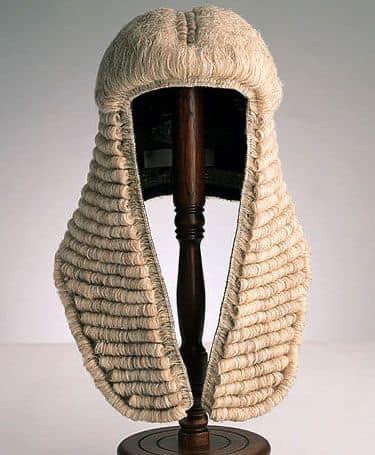

The intersection of law and politics in Nigeria is profound and longstanding. Lawyers have disproportionately shaped the country’s political landscape, from pre-independence nationalism to post-1999 democratic governance. Legal training emphasizing advocacy, constitutional interpretation, negotiation, evidence-based reasoning, and oratory equips practitioners exceptionally well for political roles. This pattern reflects both the profession’s prestige and Nigeria’s constitutional emphasis on legal expertise in governance.
Historical Context and Evolution
Colonial-era lawyers were at the forefront of anti-colonial agitation. Pioneers like Christopher Sapara Williams (first Nigerian called to the English Bar) and figures such as Herbert Macaulay, Nnamdi Azikiwe, and Obafemi Awolowo blended legal practice with nationalist politics. Post-independence, lawyers dominated key positions during civilian regimes and influenced military transitions through advocacy and constitution-making.
The return to civilian rule in 1999 amplified this trend. The 1999 Constitution (Sections 150 and 195) reserves Attorney-General positions exclusively for lawyers with at least 10 years’ standing, institutionalizing the profession’s gatekeeping role in justice and executive legal advice.
Why Lawyers Excel in Nigerian Politics: Structural Advantages
- Skills Transfer: Courtroom advocacy translates to legislative debate, campaign rhetoric, and crisis management. Drafting skills aid bill-making and policy formulation.
- Networks: Legal practice builds relationships with elites, businesses, and communities.
- Constitutional Privileges: Reserved offices and frequent appearances before tribunals/election courts.
- Public Perception: Lawyers are often seen as educated, articulate leaders capable of navigating complex governance.
- Activism Pathway: Human rights lawyers (e.g., Femi Falana, Gani Fawehinmi) transition from civil society to politics, leveraging credibility from pro-democracy struggles.
Nuances and Edge Cases: Not all lawyers succeed; success often depends on political godfatherism, financial resources, ethnic/religious balancing, and party structures. Some face backlash over perceived elitism or ethical lapses from prior practice.
Prominent Examples Across Levels of Government
Presidency and Executive:
- Yemi Osinbajo (SAN): Former Vice President (2015–2023), Professor of Law, Attorney-General of Lagos State. Exemplifies the scholar-practitioner politician.
- Babatunde Fashola (SAN): Former Lagos Governor and Minister; known for technocratic governance rooted in legal precision.101
- Rotimi Akeredolu (late, SAN): Former Ondo Governor and NBA President.
- Abubakar Malami (SAN): Former Attorney-General and Minister of Justice.
Legislature:
- Femi Gbajabiamila: Former Speaker of the House; lawyer with U.S. credentials who rose through legislative ranks.
- Many senators and House members are SANs or practicing lawyers, influencing committees on justice, constitutional review, and appropriations.
Subnational and Other Roles:
- Numerous state governors, attorneys-general, and commissioners hail from the bar.
- Historical figures like Chief Bola Ige and Richard Akinjide shaped regional and national politics.
Broader Pool: Senior Advocates of Nigeria (SANs) frequently appear in political appointments, party leadership, and advisory roles. Lists of SANs reveal heavy overlap with public office holders.
Trends and Patterns
- Dominance in Judiciary-Executive Overlap: Lawyers often serve as bridges, advising on constitutionality during reforms or crises.
- Post-Military Democratization: The 1990s pro-democracy movement produced activist-lawyers who entered the Fourth Republic.
- Contemporary Shifts: Increasing technocratic appointments (e.g., under Tinubu administration) alongside traditional politicians. Diaspora lawyers occasionally return for roles.
- Gender and Diversity: Still male-dominated at the top, though progress exists; ethnic/regional balancing remains key.
Statistical/Qualitative Insights: While exact figures fluctuate, lawyers consistently comprise a significant portion of National Assembly members, especially in leadership. The Nigerian Bar Association (NBA) remains influential in political discourse, often critiquing or supporting policies.
Challenges, Criticisms, and Implications
- Conflicts of Interest: Lawyer-politicians may face accusations of prioritizing clients, party loyalty over public interest, or using legal knowledge to navigate (or bend) rules.
- Ethical Concerns: High-profile cases involving corruption, election petitions, and “judicial corruption” sometimes implicate legal practitioners.
- Access to Justice Gap: The profession’s political focus can detract from everyday legal services for ordinary citizens.
- Positive Contributions: Many drive reforms in electoral laws, anti-corruption frameworks, and human rights. Lawyers have been pivotal in stabilizing democratic transitions and challenging authoritarian tendencies.
Edge Cases: International regulatory issues (e.g., disciplinary actions abroad) can resurface domestically, as seen in some careers. Economic pressures push some lawyers toward politics for influence and resources.
Future Outlook and Considerations
The lawyer-politician pipeline is likely to persist due to structural incentives. Reforms could include stronger ethics enforcement by the NBA, greater separation of roles to reduce conflicts, and enhanced public participation to diversify leadership beyond legal elites. Initiatives promoting civic education and alternative pathways (e.g., from business, academia, or civil society) could broaden representation.
In summary, Nigerian lawyers’ political careers embody a double-edged sword: a source of sophisticated governance and institutional memory, yet vulnerable to elite capture and ethical pitfalls. This dynamic continues to shape Nigeria’s democratic evolution, with ongoing debates about balancing professional expertise with broader accountability.
This phenomenon merits continued scrutiny, especially as Nigeria navigates economic reforms, security challenges, and constitutional reviews.
 Centre for Nigeria Progress