

The Fall of a Big Tree, Felled by Nobody in Particular
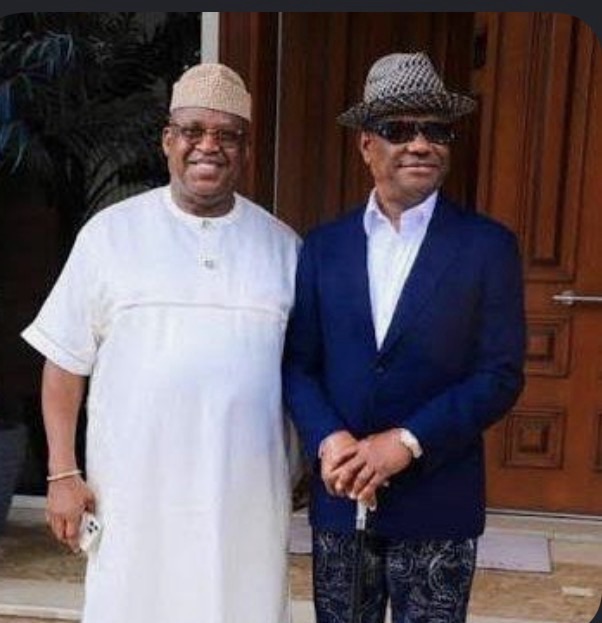
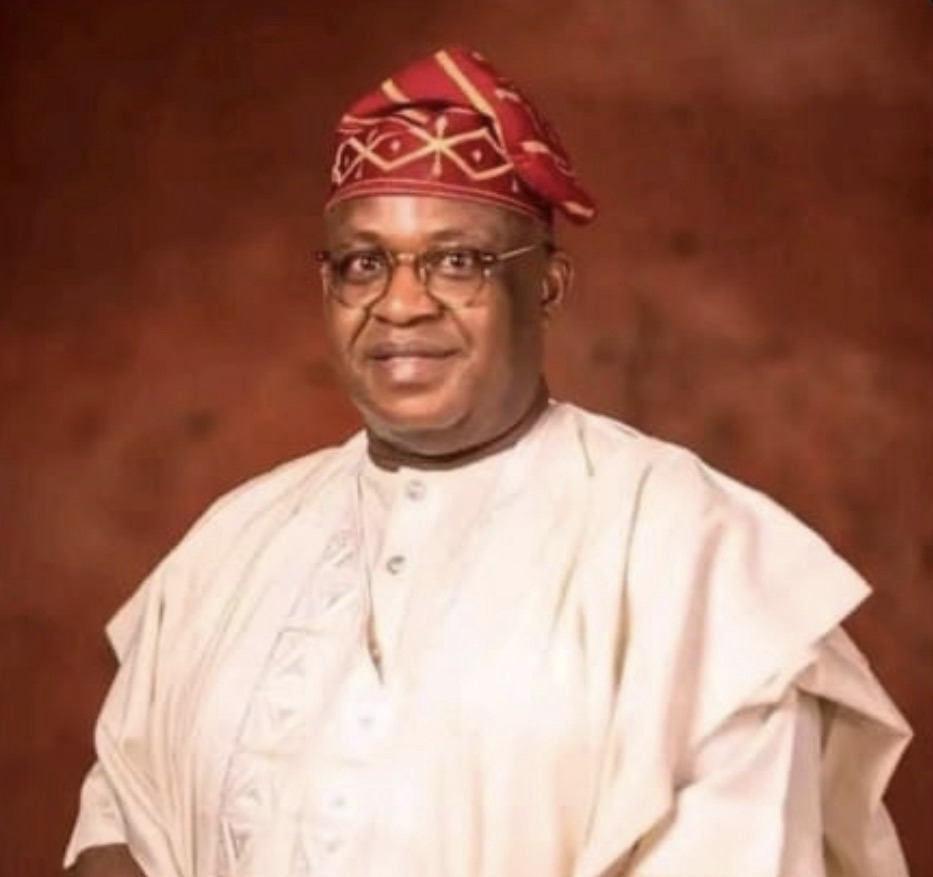
Chief Daniel Osi Orbih is dead, and Edo State’s political class has responded the way it always does when one of its own departs: with a grief so generous it retroactively forgives everything the man ever did. Orbih passed away on Monday, 31 August 2026, at the age of 64, and within hours the condolences arrived in a queue, each one more magnanimous than the last, as though the deceased had spent his career building roads rather than blocking them.
Nyesom Wike, whose political fortunes Orbih served with the devotion of a man who understood exactly which side his bread was buttered on, called his death the fall of one of the biggest trees in the political forest of Edo State. It is a fitting image, if you remember that trees, in Edo State’s political forest, tend to fall on other people’s houses.
The Manufacture of Internal Opposition
To understand Orbih is to understand a particular Nigerian genre: opposition manufactured not from principle but from proximity to power denied. He was PDP by card and Wike’s man by conviction, and when Godwin Obaseki held the governorship under that same PDP banner, Orbih did not build an alternative vision for Edo State. He built a faction. He assembled what became known as the “legacy PDP,” a pressure group whose only discernible ideology was the redistribution of relevance back toward itself.
Obaseki, to his credit, called this what it was at the time: an exercise in state capture dressed up in party colours, conducted by men whose interest in Edo State’s development began and ended with their own standing in it. History has been kind enough to prove him right, since the fruit of that internal sabotage was the defeat of the official PDP candidate and the installation of Monday Okpebholo, whose administration has since given Edo State a masterclass in governance by press release.
The Chairman and the Empty Coffers
Every good opposition needs a reward, and Orbih’s came in 2024, when Governor Okpebholo appointed him Chairman of the Governing Council of Ambrose Alli University, Ekpoma, an appointment announced with the kind of ceremony usually reserved for actual achievements. The university’s budget, under his stewardship, is said to have swelled roughly tenfold. What it has not done, in that same period, is pay its staff.
Ambrose Alli University’s ASUU chapter declared a total, comprehensive and indefinite strike from 25 August 2026, citing the state government’s failure to implement the 2025 federal agreement and months of unpaid allowances. So there it stands: a governing council chaired by a man newly eulogised as a builder of institutions, presiding over an institution that cannot currently pay the people who teach in it. The budget went up tenfold. The lecture halls went dark. Only in Edo State is this considered a coincidence rather than a case study.
The Chop-Chop Eulogy
And now, the reviews. Obaseki has described Orbih as a prominent Edo son whose contributions left an enduring mark on the state and the nation, which is either an act of remarkable political forgiveness or proof that in Nigeria, death functions as a full pardon regardless of the charge sheet. It is the same reflex that turned Muhammadu Buhari’s passing into a parade of tributes to a man whose presidency left the naira in intensive care and insecurity in rude health, and whose failures we are now living through in instalment form under Tinubu.
Shakespeare, through Antony, offered the correct antidote centuries before Edo State needed it: the evil that men do lives after them, the good is oft interred with their bones. Let Orbih’s good, whatever portion of it exists, be buried with appropriate ceremony. What should survive him, in public memory, is the lesson: that a man who spent his career practising the politics of sabotage does not become a statesman merely by dying.
The Bill Still Comes Due
Orbih should be remembered, plainly, as a clog in Edo State’s political machinery, a man who wore PDP’s colours while working to unmake a PDP government, and who left behind a university on strike as his final administrative legacy. Chop-chop politics does not stop being chop-chop politics because the chief eventually dies of natural causes rather than accountability. Edo State’s tragedy is not that it lost Dan Orbih. It is that it keeps mistaking the loss of men like him for the loss of something worth mourning.
 Centre for Nigeria Progress