

Ah, Edo State, the ancient kingdom of Benin, where bronze casters once made art that still makes the British Museum sweat, and modern politicians make drama that makes Nollywood blush. If Nigerian politics is a never-ending telenovela, Edo is the season where everyone keeps switching wigs, parties, and loyalties faster than a market woman dodging rain. Let’s stroll through this glorious chaos, shall we?
The Return of Civilian Rule (1999 Edition)
Enter Chief Lucky Igbinedion, PDP’s golden boy, 1999–2007. The man cleared salary arrears like a benevolent uncle at Christmas. Two full terms of “action governor” vibes. Critics called it the era of godfatherism on steroids, contracts flowed like palm wine at a burial, but hey, at least the civil servants got paid eventually. Edo learned early: democracy returns, but old habits die harder than a stubborn agbero.
Then came the brief, tragic interlude of Professor Oserheimen Osunbor (2007–2008). Poor man won on PDP ticket only for the courts to hand the throne to a certain fiery labour leader. Judicial review in Nigeria: sometimes it’s justice, sometimes it’s just “we changed our minds, bro.”
The Comrade Era: Adams Oshiomhole (2008–2016)
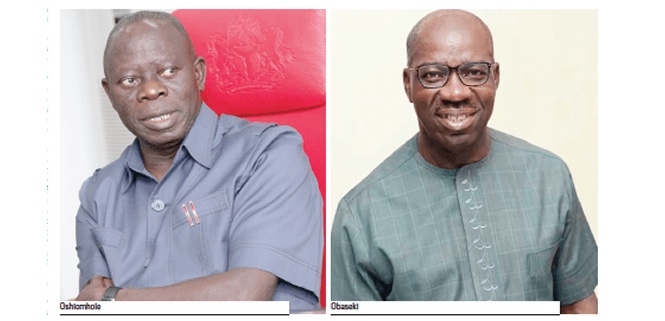
Enter Comrade Adams Oshiomhole the man who brought union fire to Government House. From NLC president to governor, he stormed in like a revolutionary, promising to fix roads, schools, and the general rot. He delivered some visible infrastructure (those “Oshiomhole is working” signs were everywhere), but also mastered the art of political combat. By the end, he had decamped to APC and become national chairman because why govern one state when you can try to captain the whole ship? Edo watched its Comrade evolve from street fighter to national godfather. Classic.
The Technocrat Turn: Godwin Obaseki (2016–2024)
Godwin Obaseki entered as the polished, World Bank-ish gentleman. He inherited Oshiomhole’s machine, fell out spectacularly with his former boss (the godfather-godson beef reached Shakespearean levels), survived impeachment threats, party switches, and still won re-election in 2020. Eight years of “Edo is working” slogans, business-friendly policies, and occasional accusations of turning the state into a family enterprise. His exit? Dramatic as expected handing over to the next chapter while critics roasted the state of certain roads.
Enter Monday Okpebholo (2024–present)
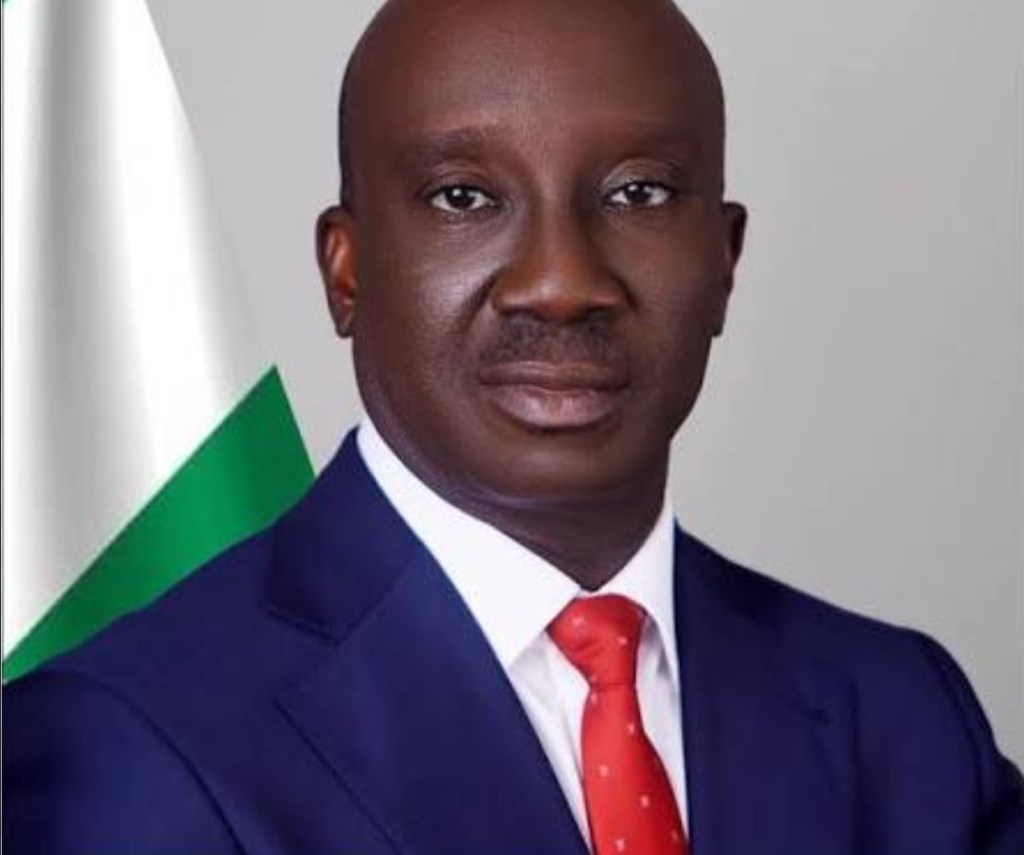
Fast-forward to Monday Okpebholo the current custodian of the Benin throne. Fresh off a victory upheld by the Supreme Court, he’s already making headlines with that signature “suspension habit” we know and love. Two commissioners on ice before the paint dries on his office. Predecessors sacked boldly; this one prefers the slow torture of bureaucratic limbo. As the article that inspired this journey noted, it’s less “you’re fired” and more “sit in the corner of shame while we investigate.” Pure Edo political theatre.
The Satirical Thread Running Through It All
Edo’s politics is a masterclass in Nigerian contradictions: ancient royal heritage meets modern democratic disorder. Godfathers anoint, courts sometimes un-anoint, comrades become chairmen, technocrats become targets, and governors keep discovering creative ways to remind appointees who truly holds the remote control.
From Igbinedion’s salary-clearing benevolence to Oshiomhole’s revolutionary fire, Obaseki’s corporate cool, and Okpebholo’s suspension specials one thing remains constant: the people of Edo are resilient, opinionated, and always ready with the next hot take. The state swings like a pendulum between PDP and APC, godson rebellions, and judicial interventions.
Will the next chapter feature more dignity for Commissioners or continued public administrative comedy? Only the Benin bronzes silent witnesses to centuries of power plays know for sure.
What’s your favourite Edo political moment? Drop it in the comments. And if you’re a sitting appointee reading this… maybe update that resignation letter, just in case.

