

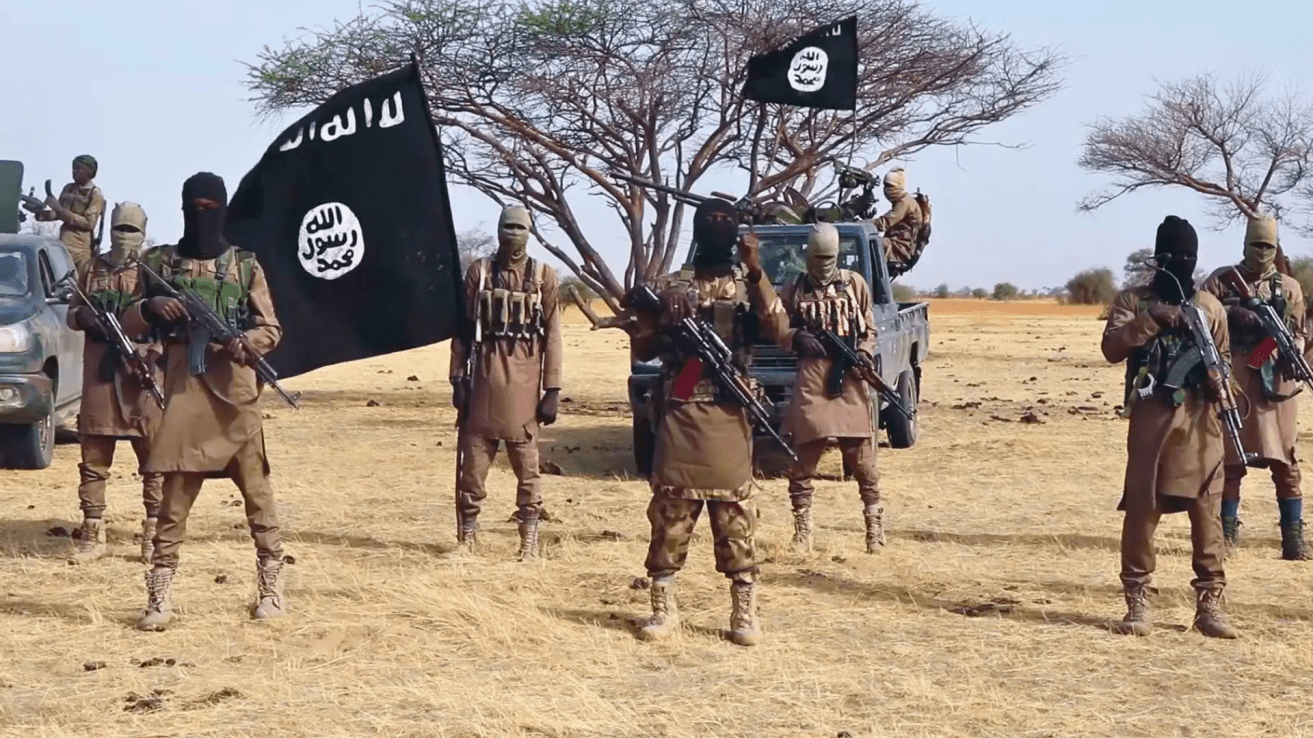
Boko Haram’s kidnapping-for-ransom (KfR) tactics exemplify the shift Lawson Akhigbe describes in his April 2026 article: modern Nigerian insurgencies as “grotesque startups” where cash flow, not conviction, sustains the beast. What began as opportunistic grabs for foreign hostages evolved into a sophisticated, multi-purpose revenue engine intertwined with ideology, propaganda, recruitment, and psychological warfare. Yet factional splits, territorial losses, and competition with purely criminal bandits have diversified and, in some ways, industrialized these tactics. This analysis compares Boko Haram’s (Jama’atu Ahl as-Sunnah li-Da’awati wal-Jihad, or JAS, under Abubakar Shekau’s legacy) approaches to its ISWAP splinter, to northwestern bandits, and to historical/contemporary parallels (FARC, Somali pirates, AQIM). It draws on evolution, methods, motivations, outcomes, and policy implications—highlighting nuances like gendered violence, government complicity, and the high human cost of “starve the beast” strategies.
1. Evolution and Core Tactics of Boko Haram (JAS)
Boko Haram’s KfR strategy unfolded in three phases, adapting to military pressure and funding needs:
- Early Opportunistic Phase (pre-2014): Targeted foreigners and elites for high ransoms. Example: 2013 French family kidnapping netted
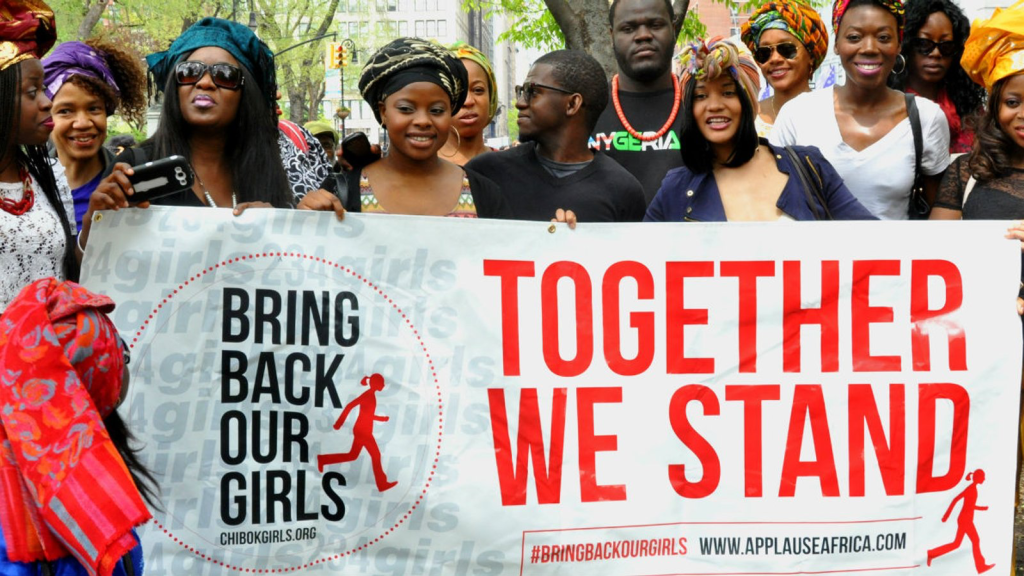
$3 million. Specialized “kidnapping task forces” focused on politicians, businesspeople, and civil servants, with modest demands ($10,000) for mid-level victims. Primary goal: quick cash alongside early propaganda.6 - Mass Abduction Era (2014 onward): Shift to large-scale civilian targets, especially schoolgirls, for attention, enslavement, and funding. The iconic Chibok abduction (April 2014: 276 mostly Christian girls) combined ideology (Shekau declared them “slaves” in a video) with revenue. Some were ransomed; others forced into marriage, sexual slavery, or suicide bombings (unique “KfRec” tactic—kidnap-for-recruitment/exploitation). Over 700 women/girls held by 2019. High-profile cases generated global outrage (#BringBackOurGirls) but also leverage for prisoner swaps.
- Post-Split Decentralization (2016–2026): After territorial losses and the 2016 ISWAP split, JAS became more fragmented and transactional. Ransoms now a “central pillar” of financing amid declining external funds. Recent examples: 2025 St. Mary’s school abduction (Niger State: ~230 pupils/staff; alleged millions paid via helicopter drop to Gwoza stronghold, plus commander releases—government denied but AFP-sourced reports confirm). March 2026 Chadian nationals kidnapping: demands of ~€760,000 for one doctor and €76,000 each for others—far beyond local economies, signaling structured extraction. Tactics include illegal checkpoints (90% of 2020 kidnappings from roads), WhatsApp negotiations, and hybrid criminal-insurgent ops.
Multi-purpose calculus: Ransom provides direct revenue ($18+ million paid to Boko Haram/bandits 2011–2020), but serves ideology (enslavement of “infidels/apostates”), recruitment (forced fighters via trauma-bonding), and deterrence (eroding government legitimacy). JAS kills Muslims indiscriminately and uses expansive gender violence—abducting Muslim women as “apostates” for slavery or suicide roles.
2. ISWAP: The “Bureaucratic” Splinter—Selective and Governance-Oriented
The 2016 split created stark contrasts. ISWAP (Islamic State West Africa Province) rejects Shekau’s excesses, sparing Muslim civilians, taxing rather than plundering, and building proto-state legitimacy.
- Kidnapping differences: More targeted at military/government assets or “apostate” non-Muslims. Dapchi 2018 (105 mostly Muslim girls) mirrored Chibok operationally but ended differently: 104 released within a month (likely PR/state-building, not full ransom; one Christian girl killed). Avoids broad enslavement of Muslims—executes “apostates” instead.
- Financing hybridity: Ransom secondary to taxation (e.g., herder levies), extortion, and looting. Still escalates KfR (shared 2026 Chadian incident dynamics), but with command-and-control emphasis over JAS’s chaos.
- Factional nuance: Gender policies diverge sharply—ISWAP less willing to enslave Muslim women, using abductions for leverage without Shekau-style sexual/forced-marriage commodification. This reflects competing visions: JAS as predatory cult vs. ISWAP as caliphate-in-miniature.

3. Comparison to Northwestern Bandits: Profit vs. Ideology
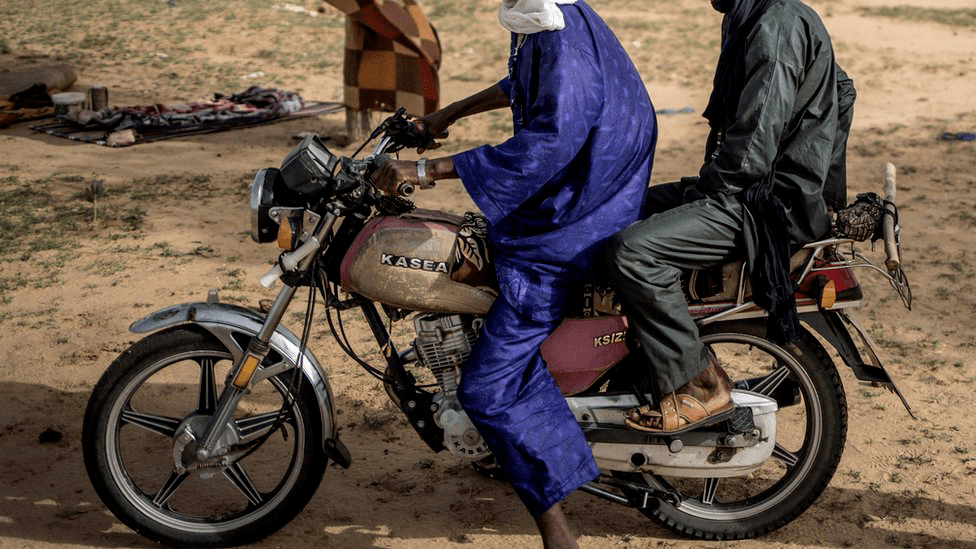
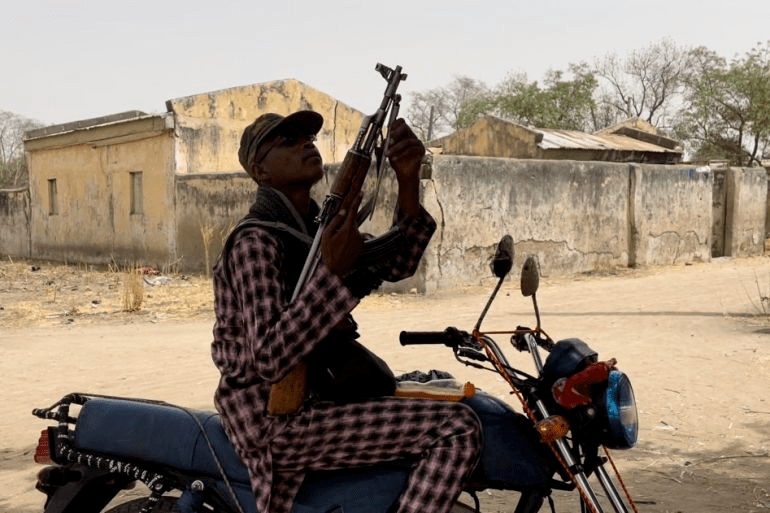
Bandits (Fulani-linked criminal gangs in Zamfara, Kaduna, etc.) are Boko Haram’s “entrepreneurial cousins”—pure revenue machines per Akhigbe’s framing. Aspect Boko Haram (JAS) ISWAP Bandits (Northwest) Primary Motivation Hybrid: Ransom + ideology (jihad, slavery, recruitment) Funding + governance/taxation Pure profit (ransom as “quick business”) Target Profile Schools, civilians, foreigners; mass scale Military/govt; selective civilians Schools, highways; indiscriminate mass Tactics Checkpoints, specialized units, suicide use of captives Bureaucratic ops, PR releases Motorcycle swarms, quick negotiations Release Dynamics Variable (ransom + propaganda); some never freed Often swift for Muslims Payment = immediate release Gender/Ideology Extensive enslavement, female bombers Restrained on Muslims None; rape/theft opportunistic Funding Scale Multi-purpose (ransom ~one pillar) Taxation dominant Ransom-centric; $millions annually Cooperation Limited training/weapons swaps with bandits Advisory ties possible Sometimes learn from jihadists
Bandits outpace jihadists in school attacks (11+ since 2020) due to mobility and lack of ideological overhead. Overlap exists: some Boko Haram commanders (e.g., Sadiku) embedded with bandits for northwest funding; ideological bleed possible but rare.

4. Broader Historical and Contemporary Parallels
- FARC (Colombia): Mass kidnappings funded insurgency + “taxes”; multi-purpose like JAS but resolved via deception (Operation Jaque) and military pressure, not just no-pay policy.
- Somali Pirates (2005–2012): Economic desperation → industrialized ransom (~$350M total); international naval refusal + guards collapsed it—mirrors “starve the beast” potential but required capability Boko Haram lacks at scale.
- AQIM (Sahel): Jihadist KfR targeting Europeans; high ransoms funded ops, similar to early Boko Haram foreigners. European payments prolonged it until rescues increased risks.
- Key distinction: Boko Haram adds gendered extremism (suicide bombers from captives) and factional governance experiments absent in pure criminals or historical pirates.
Nuances, Edge Cases, and Policy Implications
- Pay vs. Refuse Trade-offs: Ransoms save lives short-term but fund escalation (e.g., 2026 high demands signal “structural shift” to KfR centrality). Nigeria’s 2022 ransom ban is unevenly enforced; alleged 2025–2026 payments (denied officially) perpetuate the cycle.
- Edge cases: High-value internationals draw scrutiny; Muslim vs. Christian victims expose factional rifts; cross-border ops (Chad/Cameroon) complicate responses. Women/girls face disproportionate harm—enslavement in JAS vs. selective in ISWAP.
- Implications for “Starve the Beast”: Akhigbe’s call—no ransoms, no negotiations—aligns with historical successes (Barbary Wars, Somali decline) but demands alternatives (jobs, security) to prevent recidivism. Paying treats insurgents as “venture capitalists”; refusal risks deaths yet collapses incentives. Military innovation + financial tracking (checkpoints, crypto/dark web shifts noted in 2025) are essential. Long-term: erodes governance, distorts economies, and fuels hybrid crime-terror nexuses.
- Broader considerations: Socio-economic drivers (poverty, unemployment) amplify tactics; factional rivalry weakens but diversifies threats. Success requires coordinated regional (Lake Chad) responses beyond firepower.
In essence, Boko Haram’s tactics are neither purely ideological nor criminal—they hybridize both, making “starve the beast” potent yet painful. History shows cash denial works when paired with resolve and alternatives; Nigeria’s choice will determine if the beast starves or mutates. These patterns underscore Akhigbe’s unflinching thesis: wars end when profitability does.

