

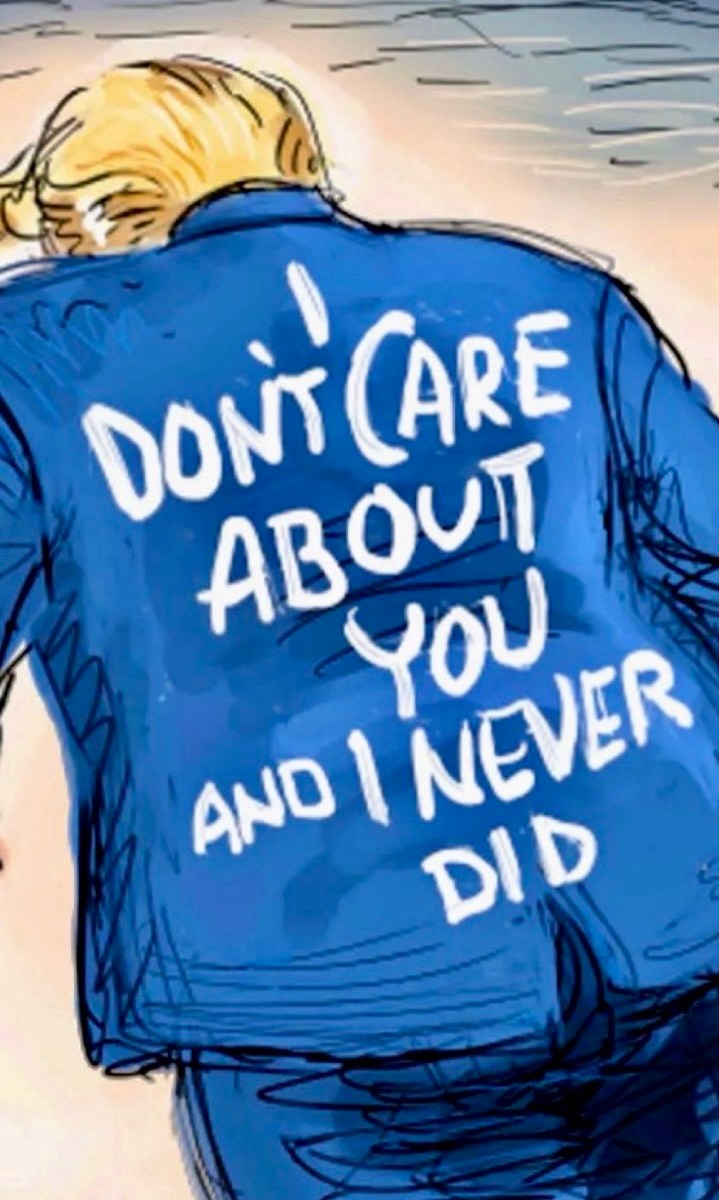
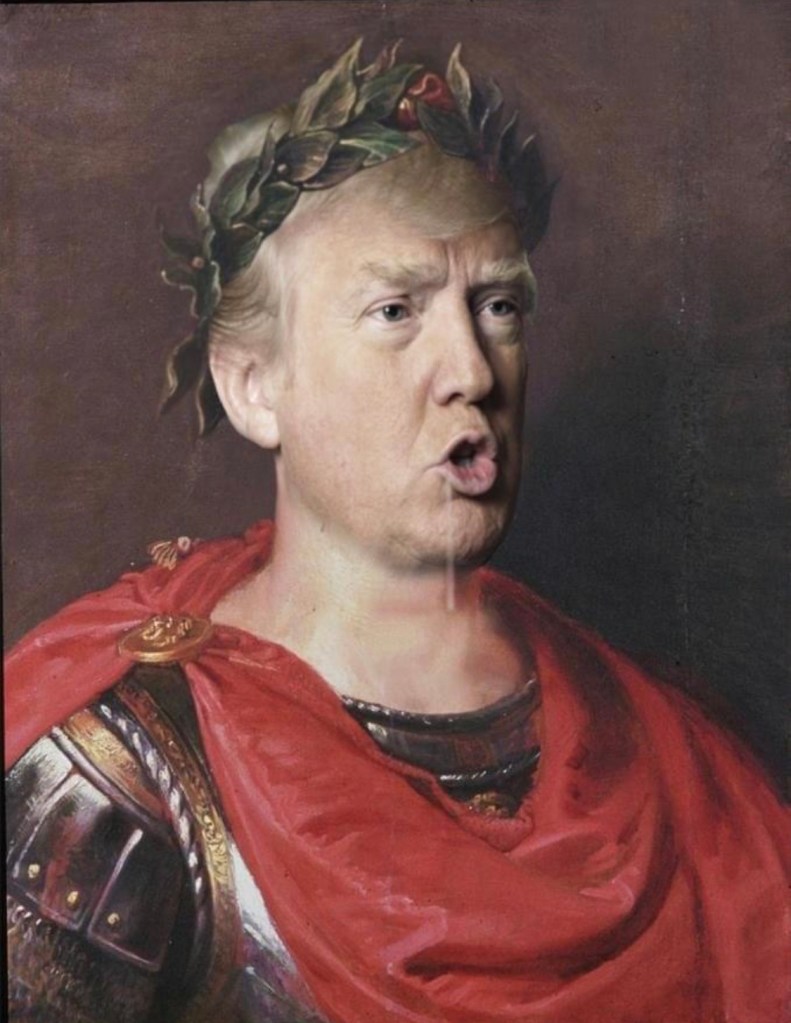
The framers of the United States Constitution expected conflict. They expected ambition. They expected rivalry between the executive, legislative and judicial branches of government.
What they did not anticipate was a President who would treat congressional oversight as a minor administrative inconvenience, a constitutional speed bump to be driven over at full speed.
When Donald Trump first entered the White House in 2017, many constitutional scholars believed the system’s checks and balances would restrain any excesses. Congress would investigate. Courts would intervene. Elections would provide accountability. The machinery of the Constitution, polished by more than two centuries of use, would do what it was designed to do.
The assumption turned out to be overly optimistic.
The First Test
During Trump’s first term, House committees issued subpoenas seeking testimony, tax returns, financial records and documents related to Russian election interference. The administration adopted a strategy that was remarkable not for its legal sophistication but for its simplicity:
Say no.
Not sometimes.
Not selectively.
Just no.
Officials refused to testify. Documents were withheld. Subpoenas were challenged. Litigation became the default response to oversight.
The White House effectively discovered that the constitutional system moves at the speed of a horse and carriage while political crises travel by jet aircraft.
Congress could issue a subpoena in days.
A federal court might take months or years to decide whether it should be obeyed.
By the time a ruling arrived, the political moment that generated the dispute was often long gone.
The Great Constitutional Loophole
The Constitution gives Congress extensive oversight powers.
The problem is enforcement.
Congress can demand information, but obtaining that information often requires lengthy court battles.
Presidents know this.
Executive branch lawyers know this.
Anyone who has ever watched a major lawsuit knows this.
Delay itself becomes victory.
A subpoena delayed for two years is often functionally identical to a subpoena ignored.
This weakness existed long before Trump. Previous presidents from both parties fought congressional investigations. Richard Nixon resisted. Ronald Reagan resisted. Bill Clinton resisted. George W. Bush resisted. Barack Obama resisted.
But previous administrations generally accepted that Congress had a legitimate constitutional role.
Trump transformed resistance into a governing philosophy.
Impeachment: The Nuclear Option That Wasn’t
The Constitution’s ultimate response to presidential obstruction is impeachment.
Congress used it against Richard Nixon, who resigned before a Senate trial could remove him.
Trump was impeached twice.
Twice.
Yet neither impeachment resulted in removal from office.
The first impeachment concerned Ukraine and presidential pressure on a foreign government.
The second followed the January 6 attack on the Capitol.
Both demonstrated a reality that the framers may have underestimated: impeachment is ultimately a political process disguised in legal clothing.
If enough senators remain loyal to a president, removal becomes nearly impossible.
The constitutional remedy exists on paper but may not exist in practice.
The Rise of Presidential Immunity
The constitutional debate evolved dramatically after Trump left office.
The United States Supreme Court’s 2024 decision granting broad immunity for official presidential acts reshaped the balance between the branches.
Supporters argued that presidents need protection from politically motivated prosecutions.
Critics warned that the ruling expanded executive power to levels the framers never intended.
Whatever one’s view, the decision strengthened a trend already visible during Trump’s first presidency: the growing concentration of power in the executive branch.
Congress appears weaker.
Presidents appear stronger.
And courts increasingly become the battlefield where political disputes are settled.
Congress: The Watchdog Without Teeth
Congress still possesses impressive constitutional powers.
It can pass laws.
It controls appropriations.
It can conduct investigations.
It can impeach.
Yet each of these powers depends on political will.
A Congress controlled by the president’s party often becomes less watchdog and more family pet.
Even when opposition parties control one chamber, investigations frequently generate headlines rather than consequences.
Committees issue reports.
Witnesses refuse to appear.
Lawyers file motions.
Years pass.
The public moves on.
Washington produces another season of constitutional theatre.
The audience changes the channel.
The Real Check on Presidential Power
For much of American history, constitutional scholars assumed the courts were the ultimate guardians of the system.
Recent events suggest otherwise.
Courts can interpret the law.
They cannot force political courage.
Congress can investigate.
It cannot compel public attention.
The Constitution can create institutions.
It cannot guarantee that those institutions will defend themselves.
That leaves the most important check exactly where the framers placed it in 1787: with voters.
The ballot box remains the one constitutional mechanism that cannot be delayed by litigation, buried in committee, redacted, appealed or ignored.
A Warning Beyond Trump
This debate is no longer really about Donald Trump.
Trump merely exposed weaknesses that already existed.
Every future president, Republican or Democrat, now understands how difficult it is for Congress to enforce oversight against a determined executive branch.
Constitutional norms, once broken, rarely repair themselves.
The danger is not that America will suddenly become an autocracy.
The danger is more subtle.
Each administration learns from the last one.
Each president discovers new limits that can be pushed.
Each Congress becomes slightly less capable of defending its authority.
And gradually, almost unnoticed, a constitutional republic built on checks and balances begins to operate on something closer to presidential discretion.
The framers feared kings.
Their Constitution was designed to prevent one.
The question confronting America today is whether the safeguards they created remain strong enough when a president decides that Congress is not a co-equal branch of government but merely an advisory committee with better stationery.

