

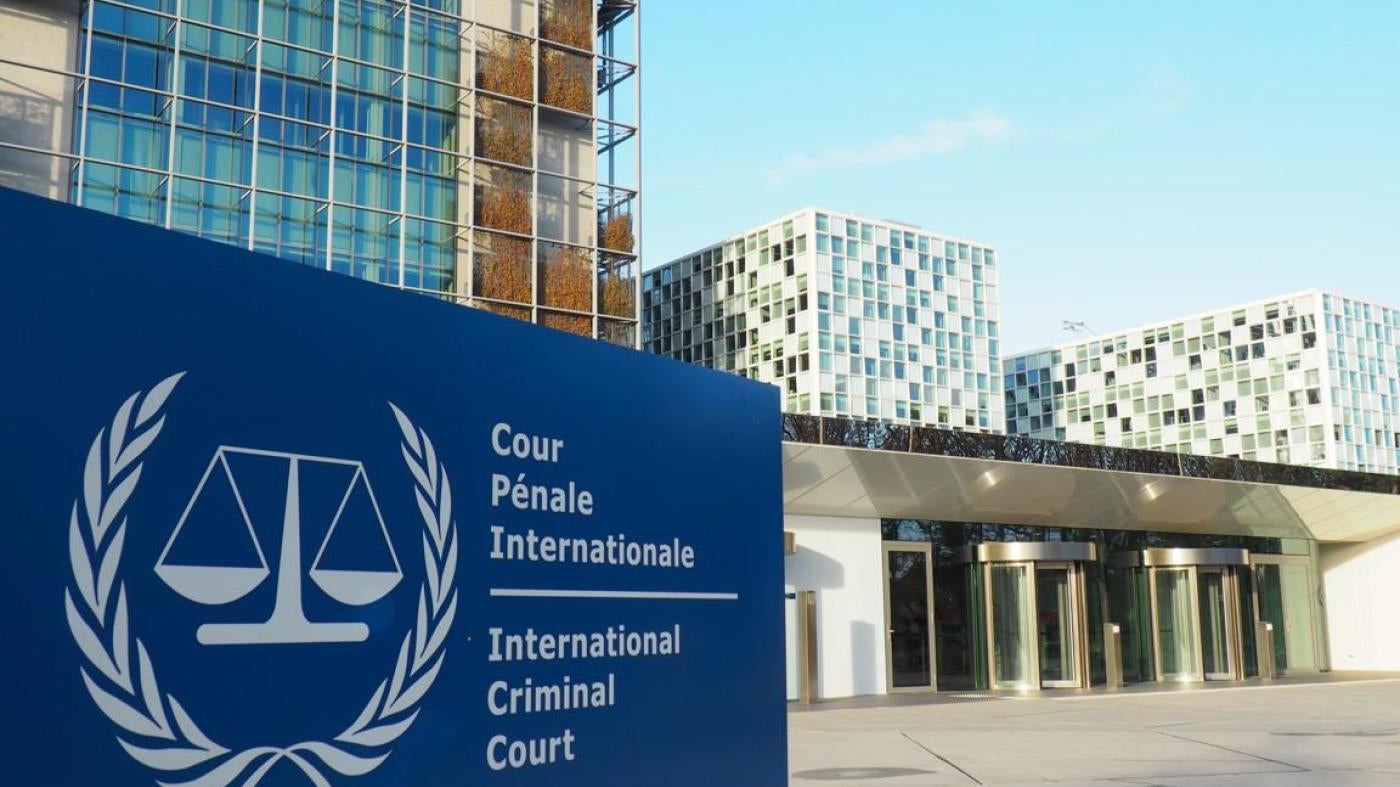
For years the International Criminal Court has operated like a colonial-era court with better stationery and a more solemn logo. The docket groaned under the weight of African cases while the architects of certain adventures in Libya, Iraq, and beyond somehow remained mysteriously unburdened by the same enthusiastic pursuit of accountability. The rule of law, we were solemnly told, was universal. The application, it turned out, was rather more exclusive.
Africans got the sharp end. The Global North got the sweet nectar of “complexity,” “context,” and “geopolitical realities.” Documented excesses in theatres from Northern Ireland to Venezuela could be discussed at conferences, fretted over in think-tank papers, and then politely filed under “unfortunate but necessary.” The Court, after all, had limited bandwidth. And limited bandwidth somehow always seemed to stretch further south of the Mediterranean.
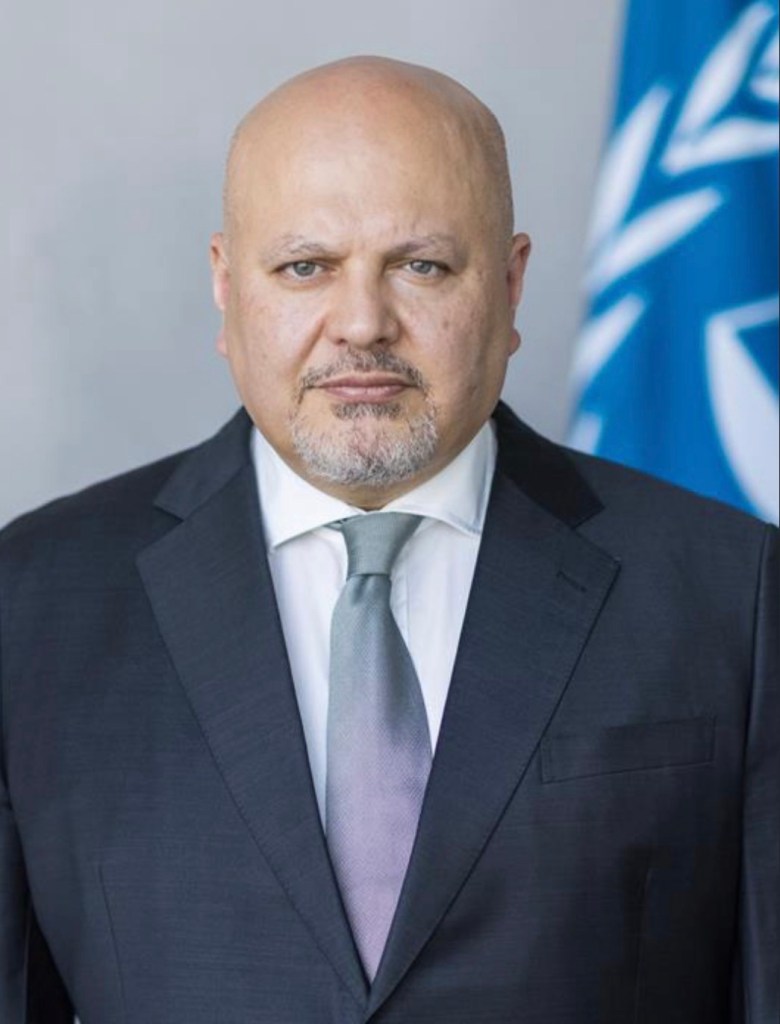
Then came Karim Khan. The British barrister who dared apply the same logic northward, issuing arrest warrants for Israeli leaders over Gaza, discovered that universality has an expiration date. Suddenly the institution that had long treated African defendants as convenient case studies found itself in an existential crisis. And, as if on cue, the machinery of internal discipline sprang to life with remarkable energy.
The process that removed him as Chief Prosecutor is a masterclass in institutional flexibility. An independent investigation produced findings. A judicial panel examined the evidence. When those outcomes apparently failed to deliver the preferred political temperature, the Bureau of the Assembly of States Parties demonstrated the sort of creative rule-interpretation usually reserved for tax lawyers and referees in certain football leagues. Rules that once looked fixed proved surprisingly elastic once the defendant was the man who had the temerity to treat Israeli officials with the same seriousness previously reserved for African warlords.
Khan denies the allegations of sexual misconduct. His lawyers call the entire process unlawful and procedurally unfair. The vote to remove him proceeded anyway. Eighty-two states decided that the appearance of seriousness mattered more than the appearance of consistency. The message to the Global South is not subtle: when the Court goes after the usual suspects, process is sacred. When it strays toward protected clients of the Global North, process becomes a negotiable instrument.
If the prosecution office can rewrite its own playbook to sacrifice its own chief prosecutor the moment he pursues cases that inconvenience powerful backers, what residual credibility remains for those who still hope the Court might one day apply the same standards to everyone? The answer is not encouraging. Selective justice is not justice delayed. It is justice denied with better public relations.
The consequence is not merely institutional embarrassment. It is the further erosion of any pretence that international criminal law operates on principle rather than power. When the powerful can bend the rules of the very body meant to constrain them, the weaker parties are left with a bitter lesson: the law is universal only until it becomes inconvenient. After that, it is merely another tool in the kit of the strong.
And a world that learns that lesson thoroughly becomes a more dangerous place for everyone who lacks a permanent seat on the Security Council or a reliable veto. The sharp end remains reserved for Africans and the Global South. The nectar, as ever, flows north.
 Centre for Nigeria Progress