

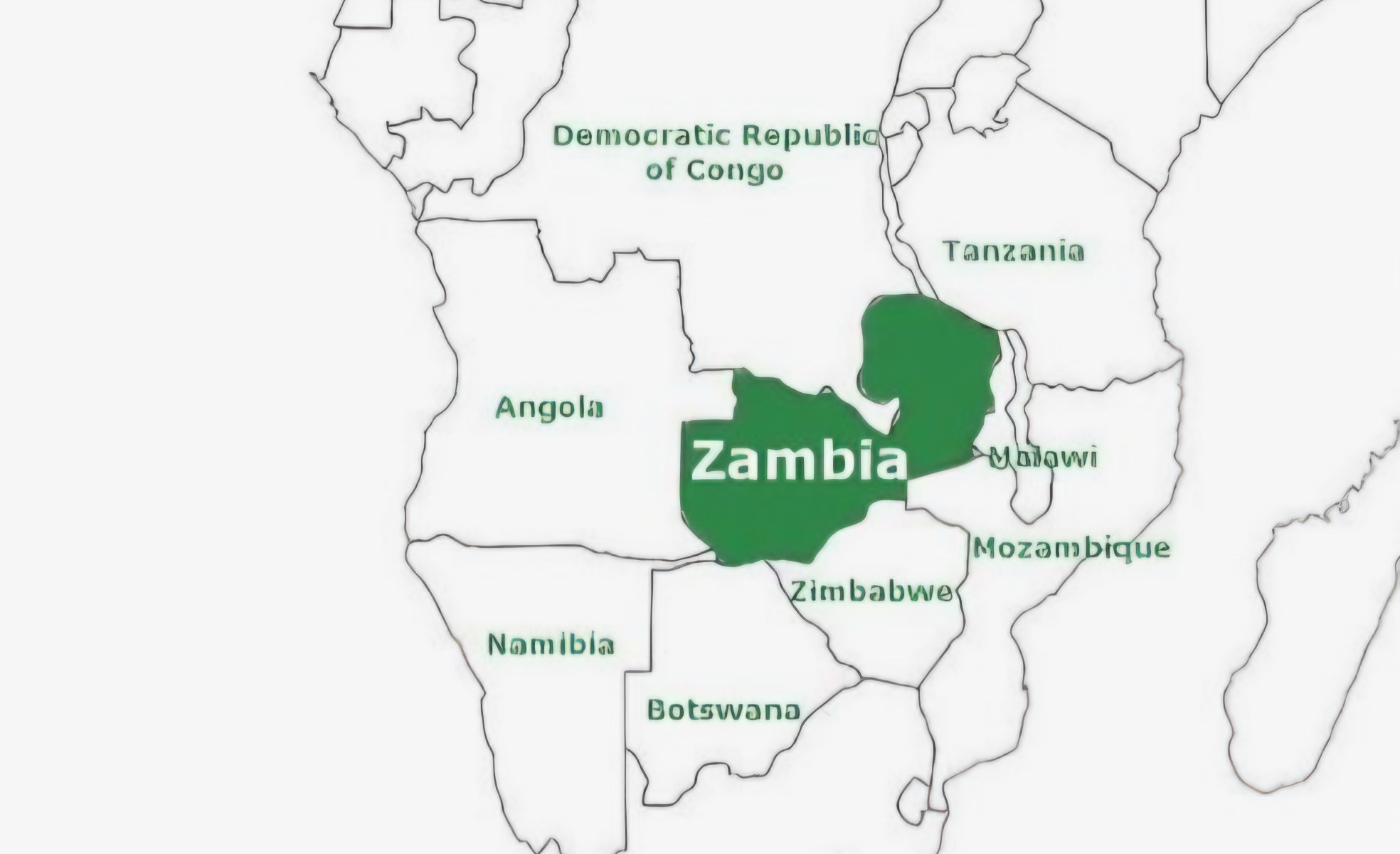
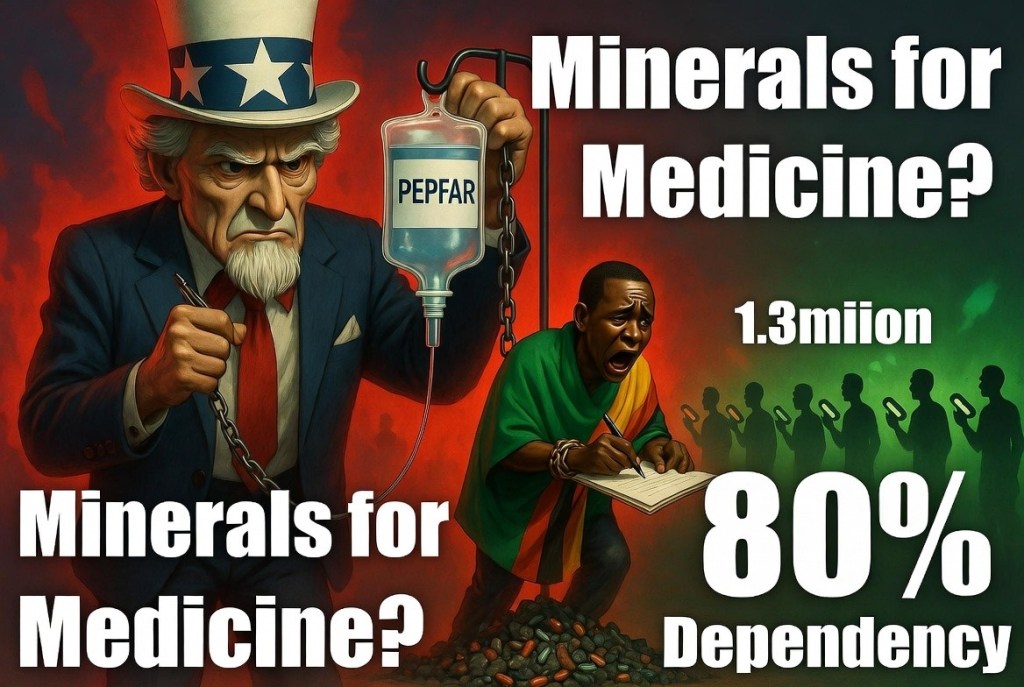
Ah, the grand theater of African governance: where leaders strut onto the global stage like proud peacocks, chests puffed with sovereignty slogans, only to quietly sign treaties that make Faust look like he got a sweetheart deal. “What are we for?” one might ask, staring at the latest headline. Apparently, we’re for turning national healthcare into a garage sale, where human lives are the loss-leader to snag some fleeting foreign currency and a photo-op with a donor. Exhibit A: Zambia and the PEPFAR saga a masterclass in how aid dependency isn’t charity; it’s a Trojan horse with excellent PR.
For 23 glorious years, the U.S. President’s Emergency Plan for AIDS Relief (PEPFAR) has been Zambia’s generous sugar daddy, footing roughly 80% of the national HIV response. Think about that. Not a bridge here, a school there, eighty percent of the entire fight against a disease ravaging 1.3 million citizens. Clinics, supply chains, data systems, health workers: all built like a fancy U.S.-branded Lego set. Zambia’s own government? They kicked back, relaxed, and let Uncle Sam handle the heavy lifting. Why build domestic muscle when the checks keep clearing? Brilliant short-term thinking. What could possibly go wrong?
Fast forward to April 30, 2026. The old agreement expires, and in rolls the new Memorandum of Understanding like a mafia offer you can’t refuse, except this one comes wrapped in “partnership” language and veiled threats. Fail to sign? Boom: immediate, total discontinuation of healthcare funding. No phased exit, no grace period. Just cold turkey for patients who depend on daily antiretrovirals. Nothing says “humanitarian ally” like using HIV treatment as a detonator.
But wait, there’s more! In exchange for five years of (shrinking) funding, the U.S. wants preferential access to Zambia’s critical minerals copper, lithium, cobalt. You know, the shiny rocks powering the green energy revolution that the West lectures everyone about. And because why stop at dirt when you can mine data too? Ten years of Zambia’s national health and patient data, with zero meaningful benefit-sharing framework. Hand over your biological treasure trove genetic sequences, treatment outcomes, the works so American pharma can innovate, patent, and profit. Zambia gets… five years of dwindling dollars and a polite thank-you note. It’s like trading your kidney for a gym membership that expires next quarter.
This isn’t isolated buffoonery. It’s a systemic formula. Zimbabwe had the good sense (or stubbornness) to walk away from a similar lopsided circus, citing sovereignty and data risks. Kenya’s civil society dragged their version to court. Pattern recognized: create crushing dependency, then leverage it when the minerals look tasty or geopolitics heats up. China gets accused of debt-trap diplomacy; here, it’s health-trap diplomacy with a side of battery metals. Same difference, different branding.
The real tragedy? The 1.3 million Zambians caught in the crossfire. Disrupt those antiretrovirals and you don’t just get sick patients, you get permanent drug resistance, resurgent epidemics, and a healthcare system that collapses like a house of cards in a Zambian dry season. Lives reduced to bargaining chips. “Sorry, comrade, your viral load is now a line item in the minerals negotiation.”
The true villain here isn’t any single superpower playing hardball, though they’re not winning humanitarian awards. It’s the architecture of aid dependency itself. Decades of easy money eroded sovereignty, gutted local capacity, and left governments addicted to external lifelines. African leaders, ever the opportunists, signed up for it because short-term wins (fewer immediate deaths, donor praise, reelection optics) trump long-term nightmares. Why invest in your own pharmacies and data sovereignty when Brussels or Washington will foot the bill?
The African Union and these governments need to wake up and treat health infrastructure like the sovereign security issue it is. Build domestic funding models. Diversify partners without becoming vassals. Stop the cycle where survival becomes negotiable. Otherwise, we’re not nations; we’re resource appendages with flags, forever trading tomorrow for today’s crumbs.
African governments exist to sign the dotted line, pat themselves on the back, and wonder why the house always wins. Time to flip the script or keep renting out the family for foreign vacations. The choice, as always, is ours. But history suggests we’ll complain loudly while signing anyway.

